Apple is set to refresh its smart home lineup, introducing enhanced HomePod mini, Apple TV 4K, and other innovative products in the near future.
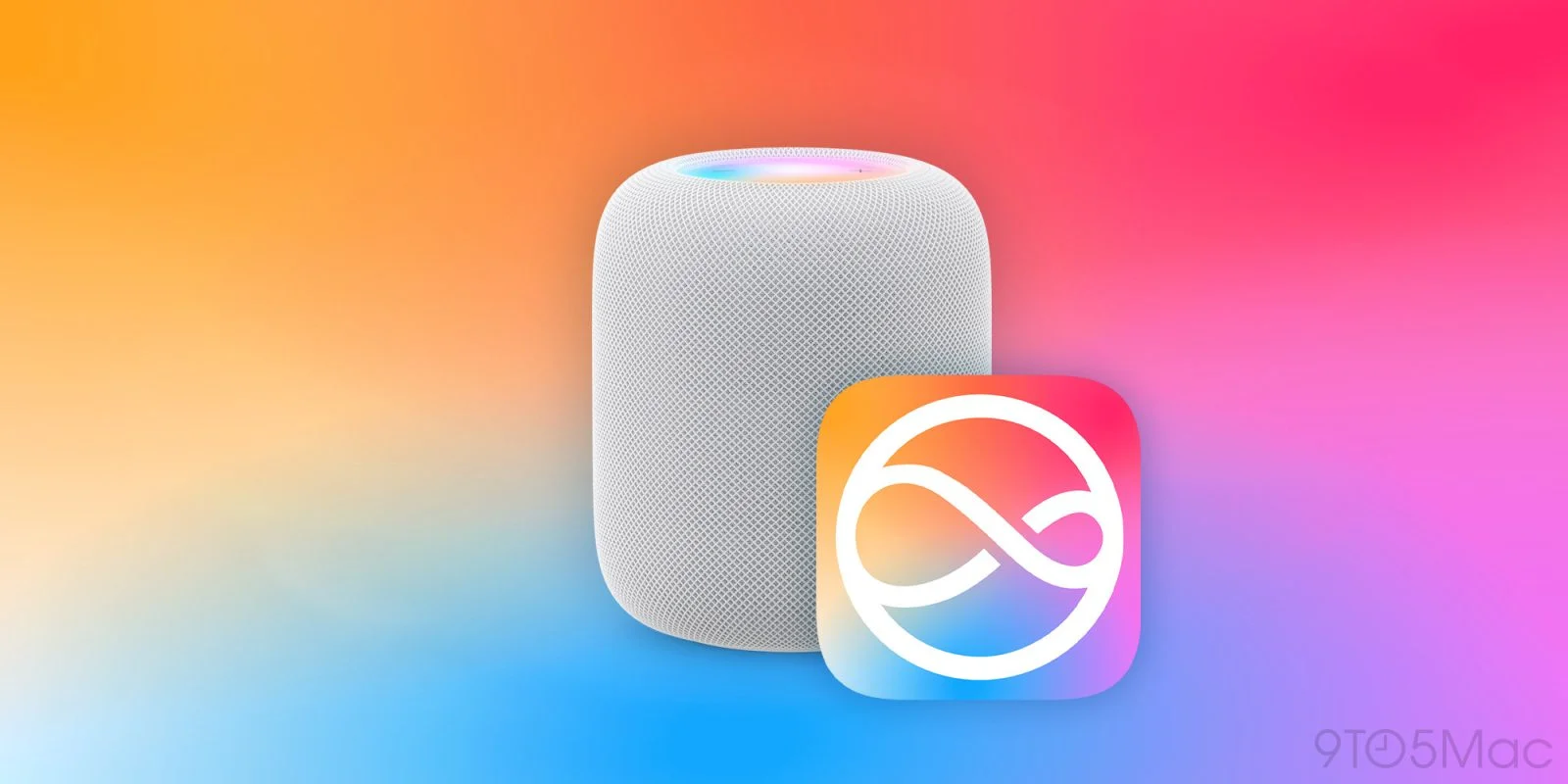
Apple's smart home products, notably the HomePod mini and Apple TV, have been long overdue for updates, given that their current versions are 4-6 years old. With the arrival of enhanced Siri AI capabilities, the tech giant appears ready to finally refresh its offerings. The current state of Apple's smart home ecosystem has raised questions about its competitiveness in a market increasingly saturated with advanced smart home devices from companies like Amazon and Google. If you're working in this space, recognizing these shifts is essential.
Anticipated Releases This Fall
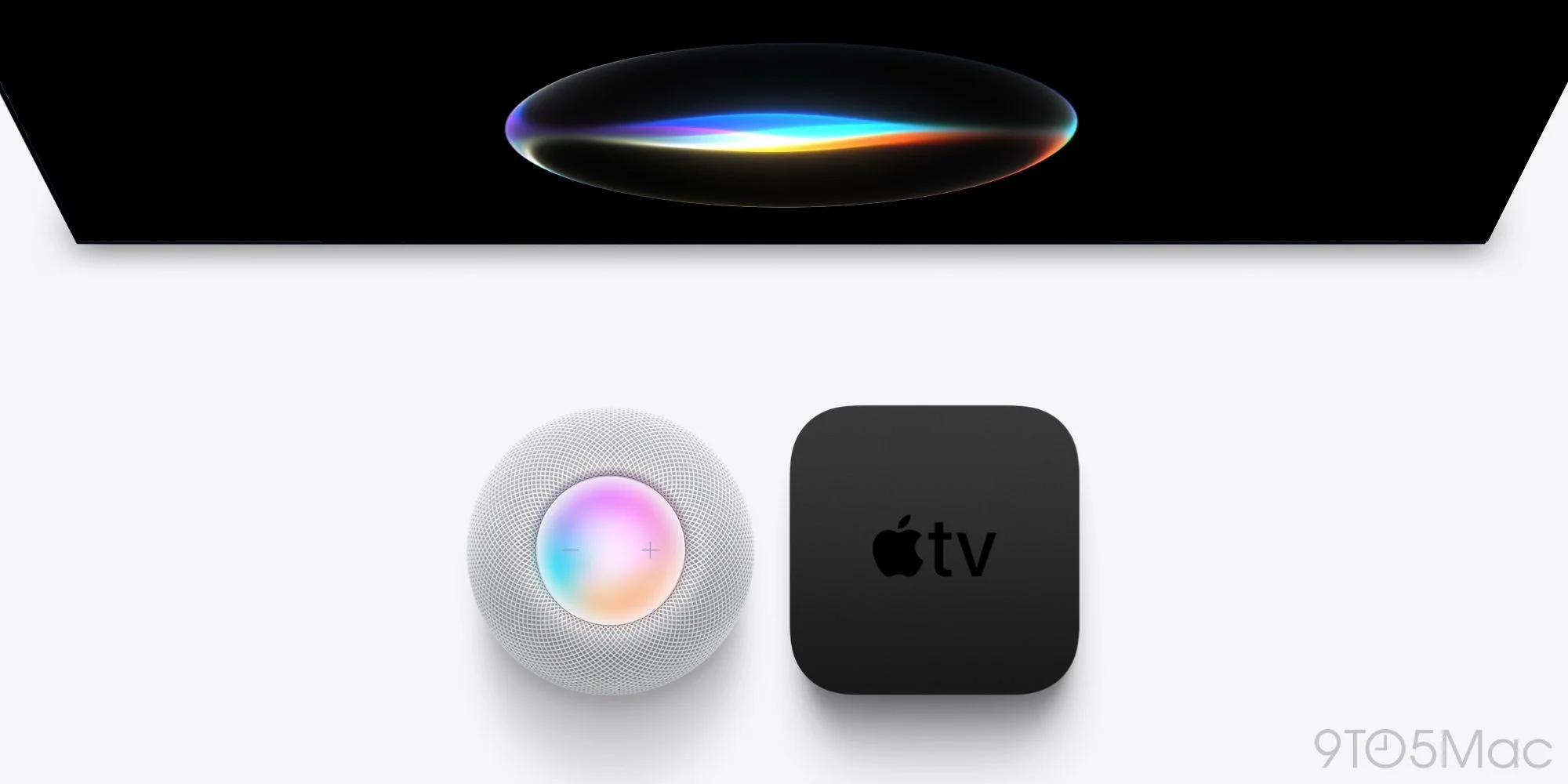
Reports suggest that new iterations of the HomePod mini and Apple TV 4K are slated for a launch this fall. The HomePod mini is expected to upgrade from the S5 chip to the more powerful S9, and possibly receive additional color options and a new wireless chip. This is more significant than it looks: the integration of Siri AI would mark an evolution in the way users interact with the device, turning it into a more capable smart assistant. Current smart assistants often struggle with complex queries and tasks, making this update critical for maintaining relevance.
On the flip side, the upcoming Apple TV 4K could see a transition from the A15 Bionic chip to the A17 Pro, which is necessary for supporting Siri AI and Apple Intelligence features. Even though the A17 Pro isn't the latest chip, its incorporation will likely improve the device's capability for local processing, a key feature as the demand for video streaming and gaming continues to expand. A redesigned remote is also anticipated for this next generation, hinting at a more user-friendly interface that may retain Apple's signature minimalism while enhancing functionality.
Pricing for the HomePod mini stands at $129, while the Apple TV 4K starts at $199, reflecting the adjustments made earlier this year that many hope will remain stable. As consumers grapple with inflation and rising costs, price retention will be a delicate balancing act for Apple. Should the company choose to hike prices despite apparent feature upgrades, it could alienate some of its loyal user base.
Upcoming Smart Home Hub
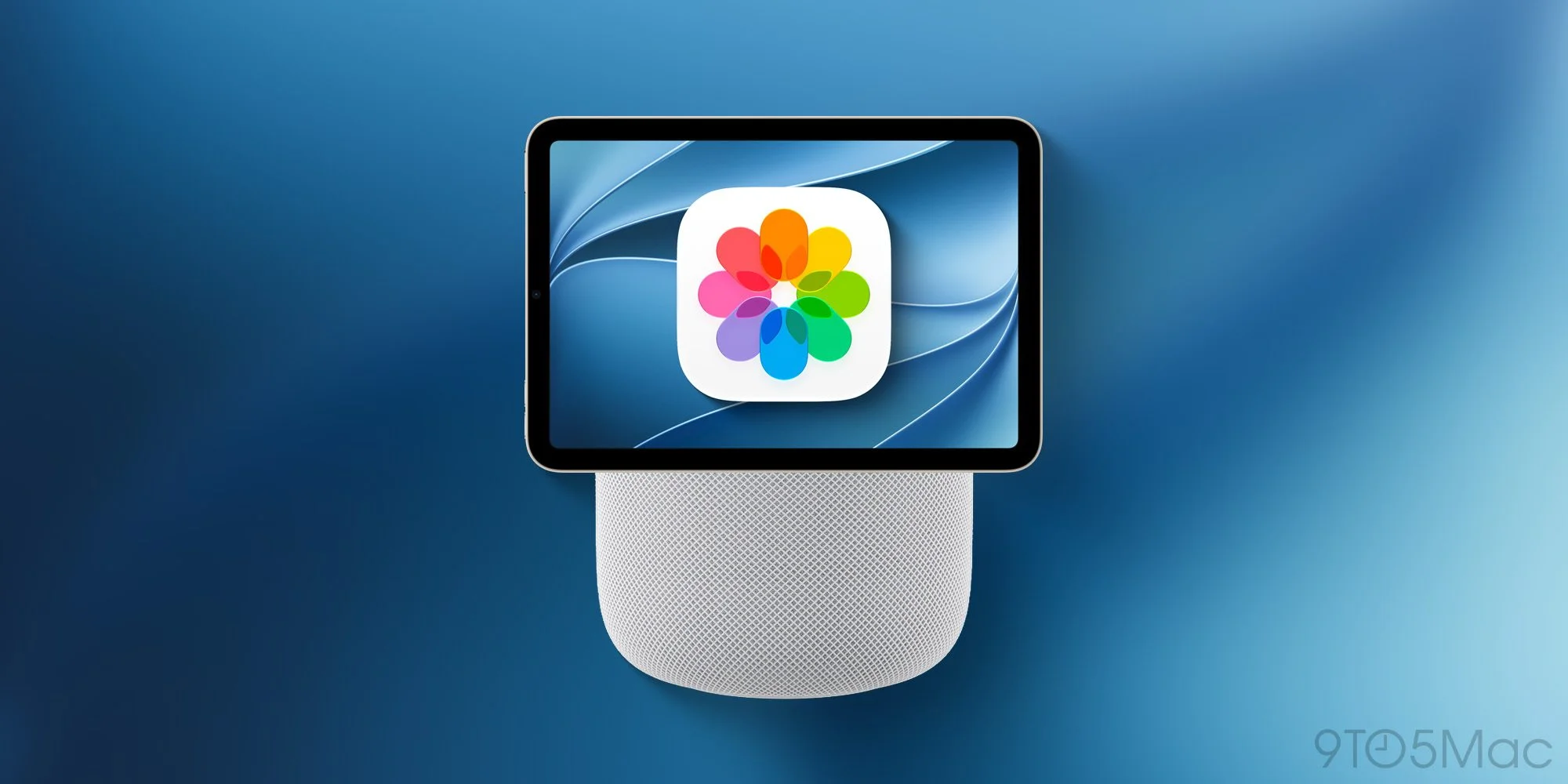
Further down the line, Apple is developing its inaugural smart home hub, featuring two configurations: one resembling a standalone screen that mounts magnetically, and another integrated with a speaker base akin to the Google Nest Hub. These devices are expected to arrive between October and early next year, potentially coinciding with the aforementioned HomePod mini and Apple TV launches. This strategic timing could bolster Apple's advertising and sales efforts.
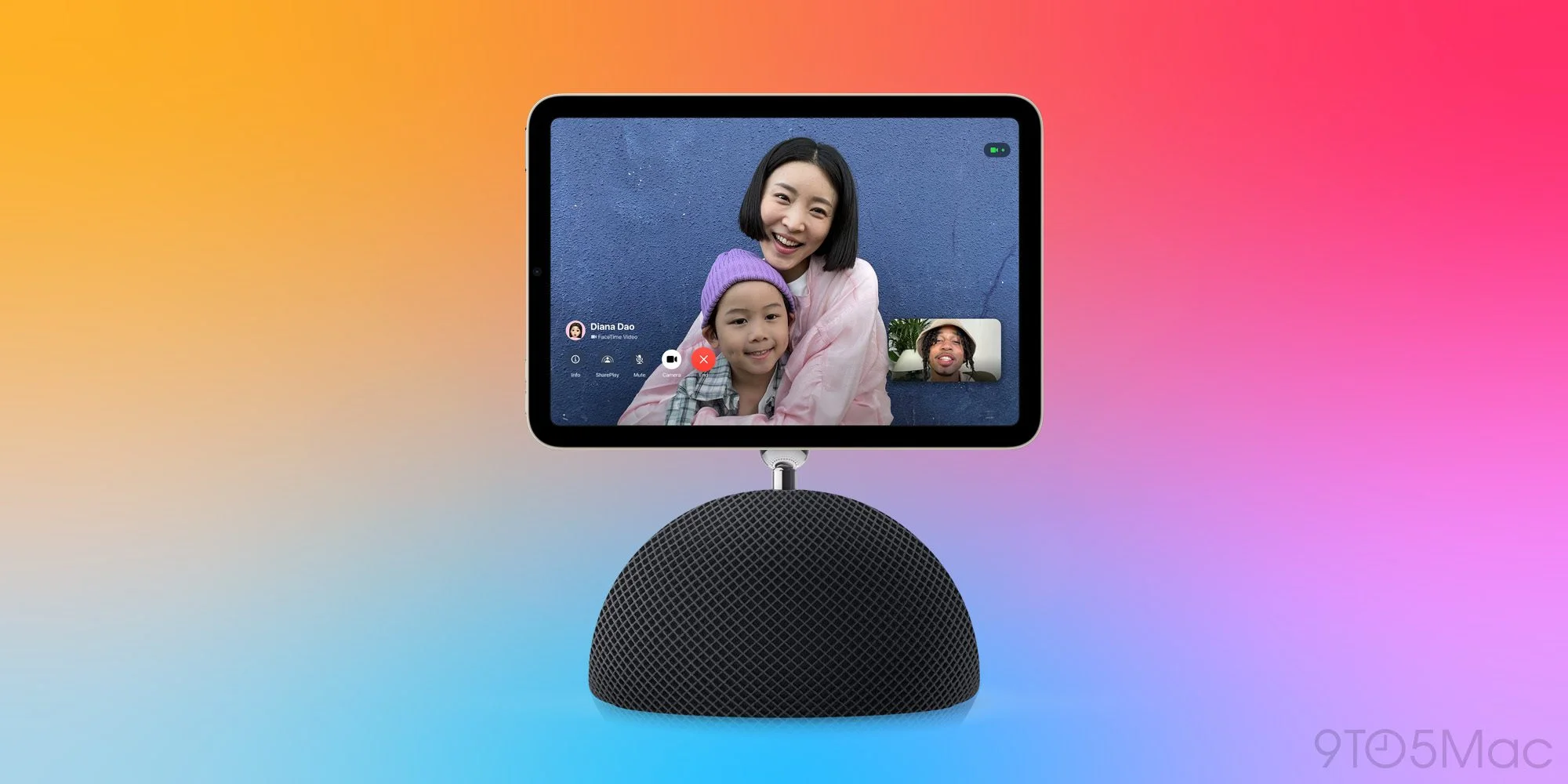
The hub is designed around a 7-inch square display and will utilize a new operating system known internally as homeOS. This setup will enable users to make FaceTime calls, control smart home devices, and interact with Siri AI. Dubbed ‘HomePad’ informally, this device will likely boast an A18 chip, which should enhance processing performance significantly. The integration of a smart display in a home setting isn't new, but Apple’s emphasis on seamless integration with its ecosystem may give it an edge.
Future Developments
Looking ahead, Apple is preparing to expand its smart home ecosystem beyond just devices like the HomePod and Apple TV. Reports indicate plans for new smart home accessories, including a security camera and a smart doorbell. This marks a significant shift as Apple transitions from solely providing smart home software to manufacturing actual hardware. The focus on hardware adds a layer of complexity, as Apple must ensure these new products are not only innovative but also user-friendly and reliable.
Lastly, a more advanced version of the smart home hub with a robotic arm and a larger 9-inch display is also in development, hinting at Apple's ambition to introduce more interactive home technologies. The prospect of a device that can physically interact with its environment opens the door to many possibilities and challenges, especially in terms of safety and reliability.
Implications and Future Outlook
The future of Apple's smart home strategy isn’t just about updating existing products. It's a calculated course correction as the competition heats up. As consumers increasingly expect interconnected systems that improve their daily lives, Apple must address these expectations while maintaining its brand's unique identity. Home automation is no longer a niche market; it’s becoming a standard expectation among tech-savvy homeowners. That's a significant shift. Apple’s historical reluctance to jump into hardware has been slowly changing, and this might well be its big moment.
It’ll be fascinating to see how these developments play out. Will new product integrations enhance the overall user experience? Can Apple convincingly differentiate its offerings from competitors that have been in this space longer? If the company's upcoming devices are well-received, it could solidify Apple’s position in the smart home market, drawing in both existing customers and new users looking for reliable and innovative technology.
Curated Apple Accessories:
- Anker MagSafe/Qi2 Ultra-Slim Battery Pack
- AirPods Pro 3 (Featuring enhanced ANC)
- Anker Nano 45W Fast Charger with Smart Display
- Anker Nano 13-in-1 MacBook Docking Station
- Logitech MX Master 4 Mouse for Mac
- Belkin Qi2 3-in-1 MagSafe Charging Stand
Connect with Michael: X/Twitter, Bluesky, Instagram


FTC: We use income earning auto affiliate links. Learn more.
Discussion
Sign in to join the discussion.