Apple raises out-of-warranty battery replacement fees for the iPhone 18 Pro and Pro Max, detailing service charges for various repairs.
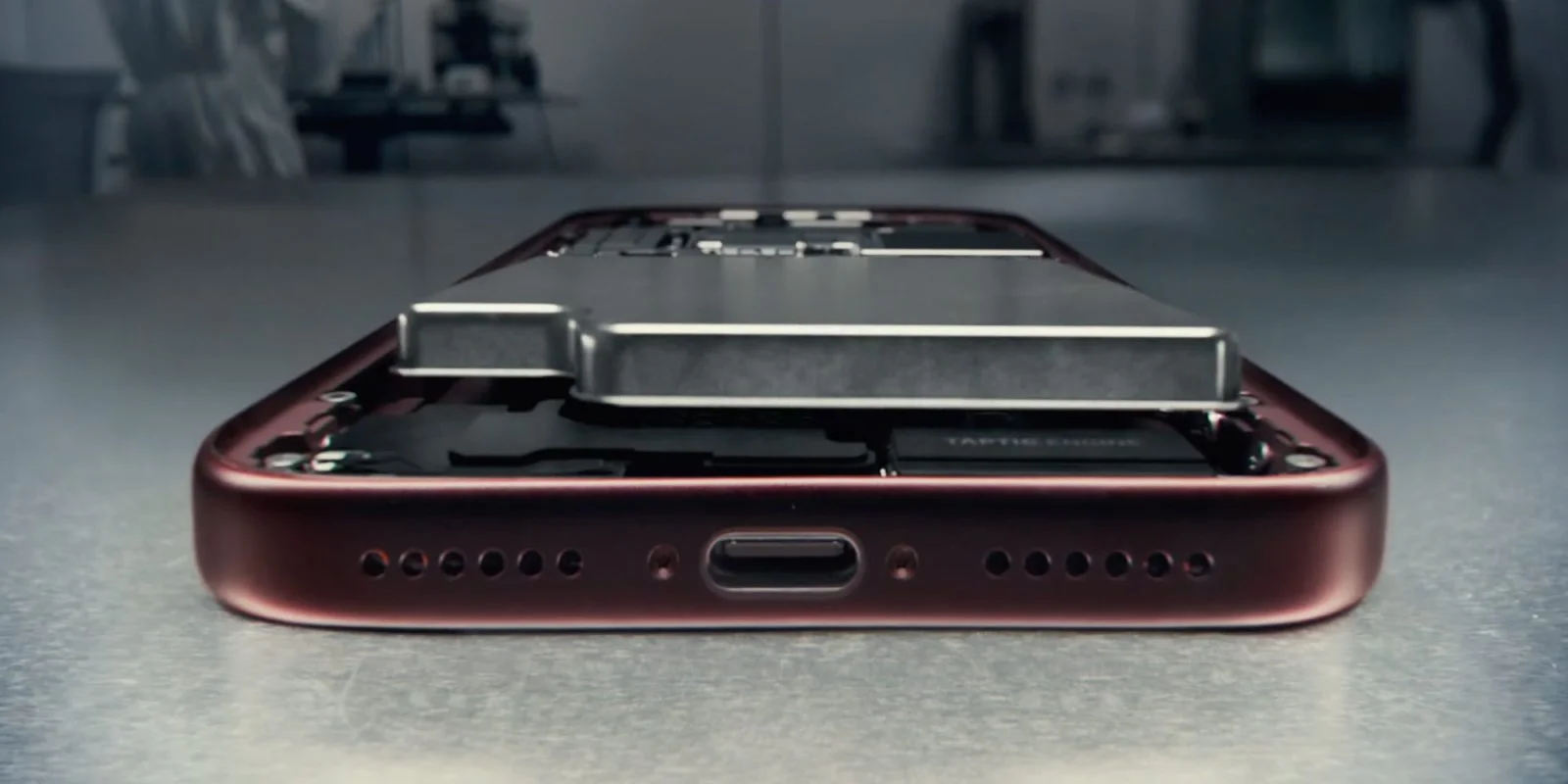
Apple has updated its service and repair pricing for the iPhone 18 Pro and iPhone 18 Pro Max, confirming that replacing their batteries will now cost more. Here's what you should know.
New Replacement Fees for iPhone 18 Pro
MacRumors recently highlighted that the service fee for the iPhone 18 Pro and iPhone 18 Pro Max is now set at $129, which is $10 higher than the previous $119 charge for the iPhone 16 Pro series. This adjustment affects users seeking out-of-warranty battery replacement. Battery life has become a significant consideration for smartphone users, given that many rely on their devices throughout the day for everything from navigation to critical work applications. Users want dependable performance, and a battery that can keep pace is essential.
Apple states that customers will first have their devices inspected to determine the final service cost associated with any repair. The new fee structure reflects not just the increased costs of parts and labor but also the company's ongoing efforts to streamline repair services and customer interactions. Repairing sophisticated devices like the iPhone is complex, and Apple seems committed to maintaining high service standards. Below is the breakdown of service fees for the iPhone 18 Pro:
- Battery service: $129
- Back glass damage: $159
- Rear camera damage: $249
- Screen damage: $329
- Screen and back glass damage: $419
- Other damage: $849
For the iPhone 18 Pro Max, the service fees are as follows:
- Battery service: $129
- Back glass damage: $159
- Rear camera damage: $249
- Screen damage: $379
- Screen and back glass damage: $469
- Other damage: $899
Apple's pricing model appears consistent with its overall service strategy. The company has long been criticized for its repair costs, but there's a balance to strike between profitability and service quality. These costs aren't just about replacing broken parts; they also reflect the skilled labor that goes into each service. The aim seems to be ensuring that authorized repairs meet Apple's standards, leading to better experiences for users who bring in their devices for support.
Battery Capacity Increases
In terms of battery capacity, the iPhone 18 Pro boasts a 4,056 mAh battery, while the Pro Max hosts a 5,391 mAh battery—an increase from last year's 3,988 mAh and 4,823 mAh, respectively. This uptick in capacity could significantly enhance user experience by extending the time users can go without needing a charge. In a time when heavy app usage and power-intensive features like gaming and streaming are prevalent, both users and reviewers focus heavily on battery performance.
Apple’s incremental approach to battery capacity can be seen as a response to market demands. Users often express frustration when a battery fails to keep pace with the demands of modern applications. Yet, as more features get packed into these devices, simple battery replacements are sometimes overlooked in favor of more complex issues such as software optimization and energy management. As battery life improves, however, it’s clear that users will expect better service options when things go wrong.
Implications of Price Increases
The increase in battery replacement fees signals a shift in Apple's service pricing strategy, one that reflects broader trends in the smartphone industry. As device complexity rises, repair costs naturally follow suit. Higher fees can deter users from seeking official service, pushing them towards third-party repair shops. These shops often advertise lower prices, but there's a trade-off in terms of quality and warranty on services.
And here's the thing: higher repair costs could inadvertently encourage some users to upgrade their phones more frequently rather than fix an aging model. If you're working in this space, it’s crucial to monitor how customers react. If they feel priced out of repairs, it may lead to a shift in brand loyalty. Users want value, and while Apple is recognized for its premium products, there's a limit to how much they’ll pay for repairs, especially when similar devices offer less expensive options.
Customer sentiment around repairability is already a contentious issue. As consumers become more environmentally aware, they may feel conflicted about having to pay higher prices for something as fundamental as battery replacement. As a result, Apple might need to consider a more transparent pricing strategy, as well as options for those who find themselves consistently needing repairs. After all, repairs shouldn’t seem punitive; they should provide a feasible option for keeping devices alive and operational.
As battery technology continues to evolve, Apple will likely focus on providing its users with more efficient solutions. What this means for you, the average consumer, is that as technology advances, the emphasis on repairability versus replacement will remain a hot topic. Apple’s decisions in this area can set trends across the industry. With consumer impatience and environmental concerns increasingly influencing purchase and repair decisions, how companies like Apple respond to these challenges could shape the future of consumer electronics.
For a detailed overview of all service fees since the iPhone 6, visit Apple's support page.
Discussion
Sign in to join the discussion.