Apple is considering a subscription model for Siri AI, indicating that heavy usage may soon require an iCloud+ plan for continued access.
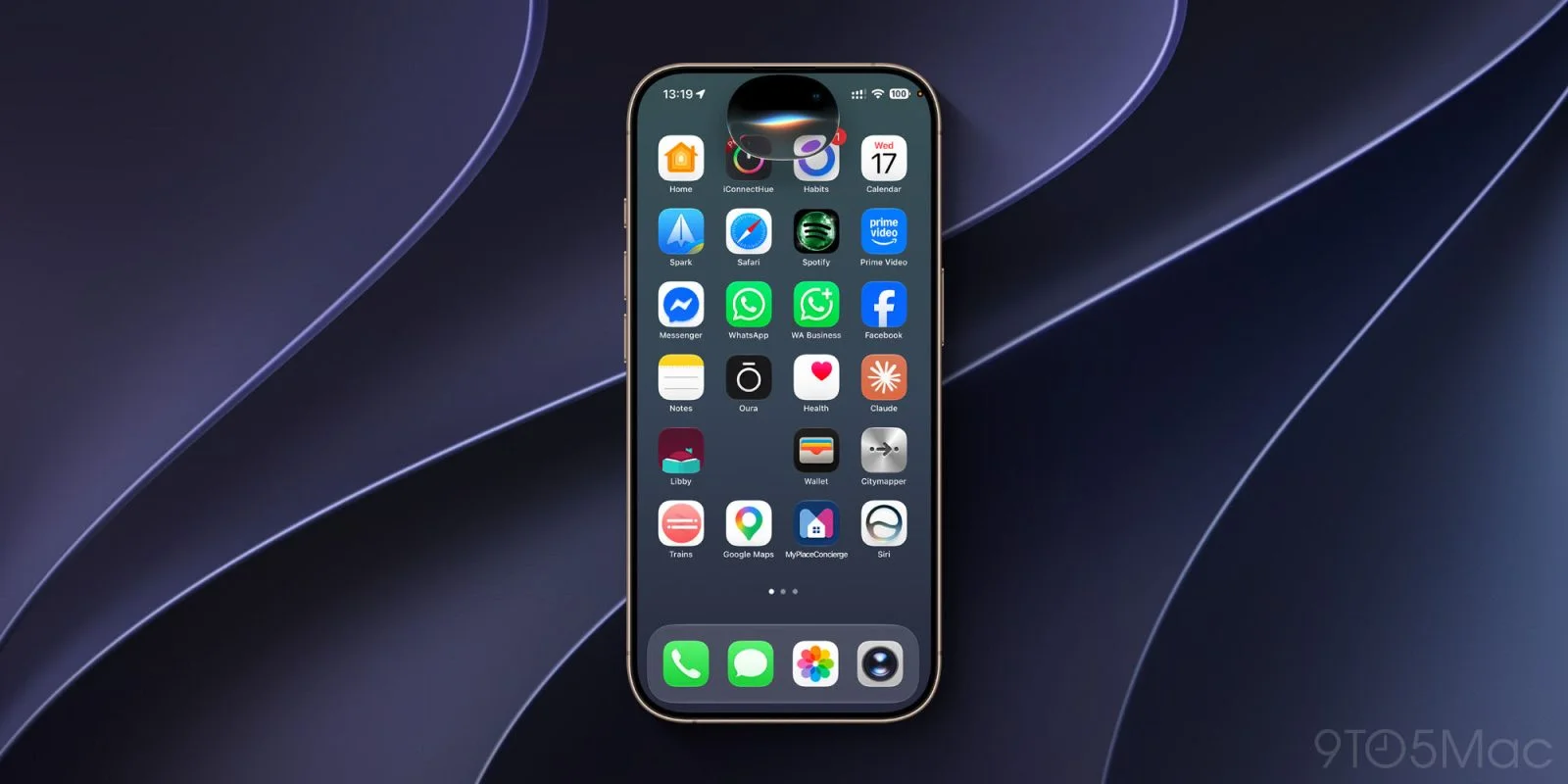
Apple's Shift Towards a Subscription Model for Siri AI
During Tim Cook’s last earnings call, he hinted at a potential subscription model aimed at heavy users of Siri AI. This marks a significant change in Apple's approach to its digital assistant, sparking discussions about its future financial implications amid elevated capital expenditure costs. Previously, Siri was bundled with the range of Apple devices available and seen as a hallmark of the company's ecosystem—an intriguing blend of hardware and services that resulted in high customer retention. Now, by hinting at a subscription service, Apple seems to be shifting its strategy to capitalize on its software capabilities more adequately. This move could signify an evolution in not just how Siri is accessed but also how Apple aims to drive recurring revenue streams beyond hardware sales.
Impacts of Usage on Siri AI Access
Traditionally, Siri AI has been offered free with iPhone, iPad, and Mac devices. Users have taken for granted the ability to summon Siri without reaching for their wallets, often treating the digital assistant as a mere feature rather than a potential revenue source for Apple. However, as Apple integrates advanced AI functionalities into Siri, the costs associated with processing these requests are poised to escalate. Tim Cook mentioned that users who heavily utilize Siri AI will eventually encounter a paywall in the form of an iCloud+ subscription. This represents not just a tactical pivot but also a broader strategy to position Apple as a leader in artificial intelligence while monetizing complex backend costs. The casual user might not fret over this, but heavy users could face an unwelcome surprise—a shift from a free service to one with financial implications.
Details Still Unclear on Usage Limits
While the specifics about usage thresholds for free access remain vague, the implication is clear: free use won’t be unlimited. Users may soon find themselves throttled if they exceed a certain number of queries, compelling them to consider an iCloud+ plan if they wish to continue enjoying Siri AI’s offerings without interruption. This lack of clarity raises pertinent questions. What exactly does Apple consider "heavy use"? Does it encompass everything from simple queries to extensive commands that utilize Siri's advanced capabilities? For a brand known for its user experience, this ambiguity could lead to frustration among users who suddenly find themselves at a crossroads between needing Siri and not wanting to incur extra costs. If you're working in this space, understanding the fine print will become essential.
Enforcement of Features and Current Limitations
Apple is also expected to impose usage caps on its new features, such as those within iOS 27, which includes advanced image handling and video recording functionalities. Some have speculated that this could alienate users who rely heavily on Siri for more than just standard commands. For instance, users wishing to utilize the new Cloud Pro model in the Shortcuts app will be limited to those on higher-tier iCloud+ subscriptions. The fact that, as of now, developers testing beta versions of these applications haven’t faced enforced limits leaves the question of usage flexibility open. However, that won’t deter the inevitable; Apple seems to be gearing up to create a clear demarcation between casual and power users. An aside: this is the part most people overlook—Apple is building an infrastructure that not only values resources but monetizes them too.
Device Compatibility and Future Availability
For users interested in accessing Siri AI features, compatibility will require an iOS device or Mac equipped for Apple Intelligence. Availability is expected to be restricted to newer models, specifically the iPhone 15 Pro and later. This immediate exclusion of older devices doesn’t just impact legacy users but could also fend off potential customers. It's a risky move that could alienate segments of Apple's user base who may not upgrade as frequently. Moreover, regulatory limitations will exclude Siri AI from regions like Europe and China for the time being. This raises questions about how Apple intends to navigate complex international laws while expanding its AI features globally. How's that for a balancing act?
Implications of a Subscription Model
The shift towards a subscription model for Siri AI raises significant questions about the broader implications for Apple's ecosystem. If users find themselves needing to subscribe to access basic and advanced functionalities alike, it could lead to a fracturing of trust among long-time fans who have relied on a straightforward access model. Apple will need to justify this transition, ensuring that the benefits outweigh the costs in the eyes of users. On one hand, a subscription model may allow for continued AI improvement; on the other, it could dissuade casual users from engaging with Siri at all—which is counterproductive to the assistant's growth. You'll want to keep an eye on customer responses as Apple refines its strategy.
As Apple charts this new territory, significant details remain unaddressed. What constitutes “heavy use,” and what limits will be set? Until Apple clarifies these aspects, users are left in the dark about how to plan their interactions with Siri AI. It's about time the tech giant offers transparency instead of leaving its consumers guessing. The fine line between usefulness and monetization sits precariously here, and Apple's management of both will likely define Siri's future relevance.
Discussion
Sign in to join the discussion.