Apple may transition the iPhone 18 Pro to its proprietary C2 chips, reducing reliance on Qualcomm modems. This shift could reshape the product lineup significantly.
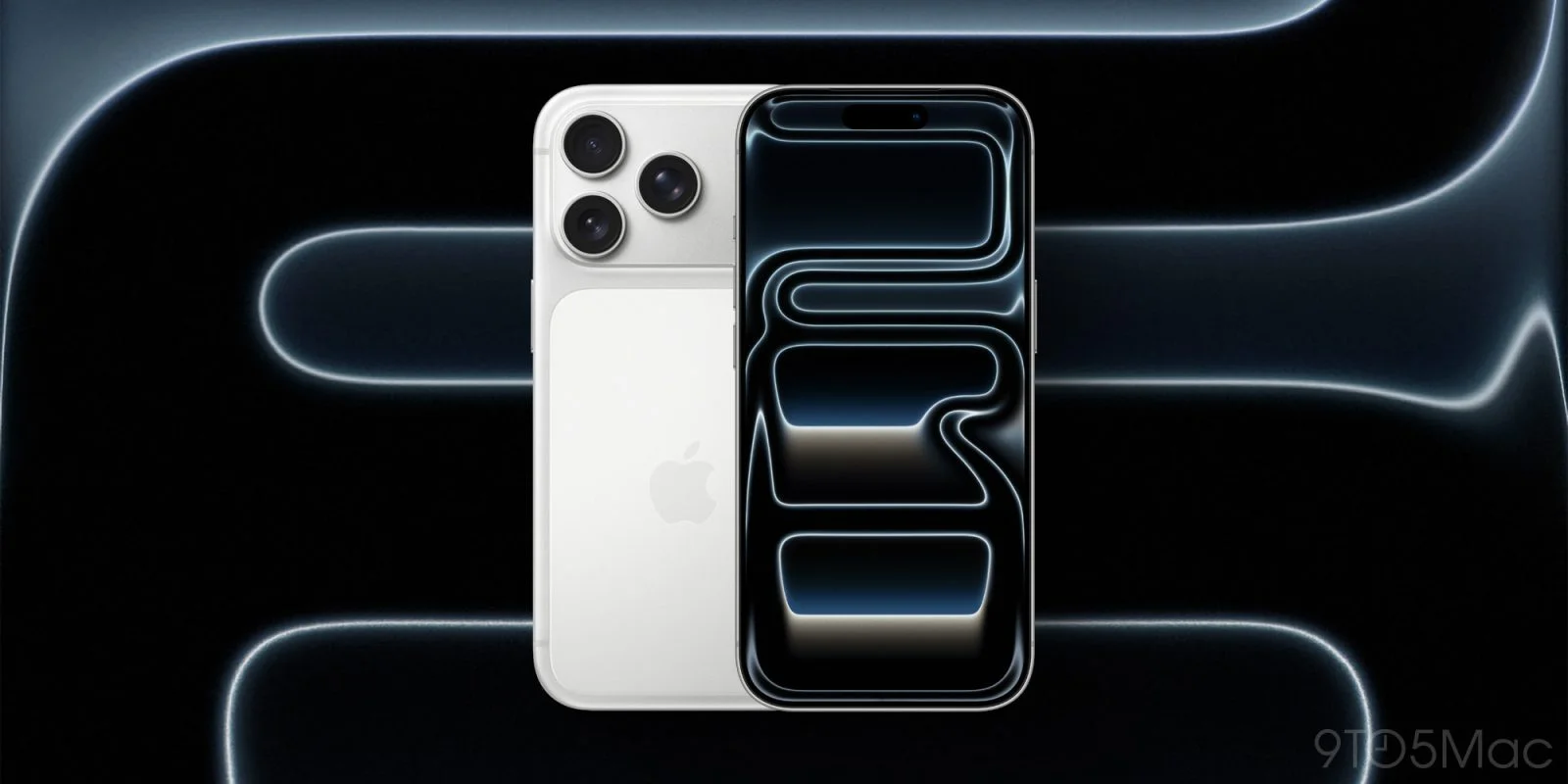
Apple's impending release of the iPhone 18 Pro is gearing up to mark a pivotal shift in its modem strategy, moving away from long-time partner Qualcomm. Current speculation suggests that Apple will implement its own C2 modem chip in the upcoming model, which would be a substantial departure from Qualcomm's technology that has powered iPhones for many years.
Implications of C2 Chip Integration
Reports indicate that Apple has gradually begun integrating its in-house chips, such as the C1X, while many other models still rely on Qualcomm. This transition has been methodical, as Apple aims to reduce dependency on external suppliers and streamline its hardware ecosystem. However, if rumors are true, the iPhone 18 Pro and accompanying models like the iPhone Ultra are expected to exclusively feature the new C2 chip. That’s a bold move that would signal a significant overhaul of Apple’s modem architecture, potentially diminishing Qualcomm’s long-standing dominance in the iPhone lineup.
This isn’t just about shifting chip suppliers; it highlights a larger strategic pivot. When a company like Apple opts to integrate its own technology, it can fine-tune performance to enhance user experience. By controlling both hardware and software, Apple could potentially optimize network performance, battery life, and even features exclusive to its ecosystem.
Insights gleaned from recent events, including a data breach involving confidential Apple documents, imply that Apple might consider a dual-supplier strategy. This could mean deploying the C2 modem outside the United States while retaining Qualcomm for models sold domestically. However, such a split approach seems increasingly unlikely, particularly as Qualcomm's financial outlook deteriorates. If Apple is aiming for a complete transition, sticking with one provider might simplify logistics and reduce costs.
But here’s the thing: the implications of attempting to diversify suppliers while also significantly investing in in-house technology could create inconsistencies in product offerings and customer experiences. The last thing Apple would want is to lower standards or create confusion over performance across different markets.
Qualcomm's Diminishing Role
Recent statements from Qualcomm's CEO indicate that revenue from Apple products is projected to shrink faster than anticipated due to supply constraints. This impending loss is not just a minor hurdle—it's indicative of a shifting relationship. The reduction in components signifies that Qualcomm's presence in iPhones may soon become negligible. The iPhone 18 Pro lineup reportedly includes only three models, one of which is intended as a premium offering, making it all the more plausible that Apple will eliminate Qualcomm modems from its flagship products.
What’s especially compelling is the broader context of tech companies moving toward vertical integration. Apple is not the first to explore self-sufficiency, but its scale and market influence make this transition particularly noteworthy. If Apple succeeds with the C2, it could become a template for other manufacturers seeking to break free from supplier constraints.
In light of these developments, the anticipation surrounding the C2 chip's debut in the new iPhones is palpable, even in markets like the U.S. It’s easy to envision the advantages of using Apple-designed modems that are tailored specifically to enhance the iPhone experience. This could serve as a significant selling point for consumers who prioritize performance and integration over brand loyalty to suppliers.
Consumer Expectations and Market Dynamics
As anticipation builds around the iPhone 18 Pro's release, the choice between Qualcomm and Apple’s C2 modem is generating considerable discussion among tech enthusiasts and casual users alike. What’s intriguing here is how this move might reshape user experiences in the next generation of iPhones. Users have grown accustomed to the performance metrics and reliability that Qualcomm's technology has offered, but a leap to an Apple-designed modem might redefine those benchmarks.
For instance, if you're working in this space, consider how a custom modem might improve everything from data speeds to call quality. Users may start to differentiate phones not just by their brand but by the specific technologies integrated into the device. Will Apple be able to deliver a modem experience that lives up to heightened expectations? This could lead to a ripple effect across the market; other manufacturers may feel pressured to develop similar internal solutions to compete.
And yet, the question remains: How will consumers react to this shift? Are they ready to embrace what could be a mixed bag in terms of performance and features? What if initial iterations of the C2 chip encounter teething problems? This is a lot to speculate on, and likely the primary focus leading up to the iPhone 18 Pro's launch.
Explore the Best iPhone Accessories
- AirPods Pro 3 (now only $199, down from $249)
- MagSafe Car Mount for iPhone
- 10-year AirTag battery case
- 100W USB-C fast charging power adapter
- AirTag 2 (1-pack / 4-pack)
The Future of Smartphone Technology
There's no denying that the relationship between chip manufacturers and smartphone producers is under strain. As Apple ventures into self-manufacturing its modems, the outcome could influence future collaborations and partnerships, not just with Qualcomm but across the industry. Will competitors like Samsung and Google follow suit, looking to establish more control over their technology stacks? It’s a question that could dictate the next phase of mobile technology development.
This shift could have long-lasting ramifications for the entire smartphone industry. Companies will need to adapt quickly or risk falling behind as Apple sets new performance standards with its own chips. Whether or not the C2 proves to be a successful venture will be essential in setting the tone for how the industry approaches internal development versus traditional supplier relationships.
Discussion
Sign in to join the discussion.