Fortnite makes its return to iPhone users in Brazil via the Epic Games Store, though a cumbersome access process raises concerns over Apple's policies.
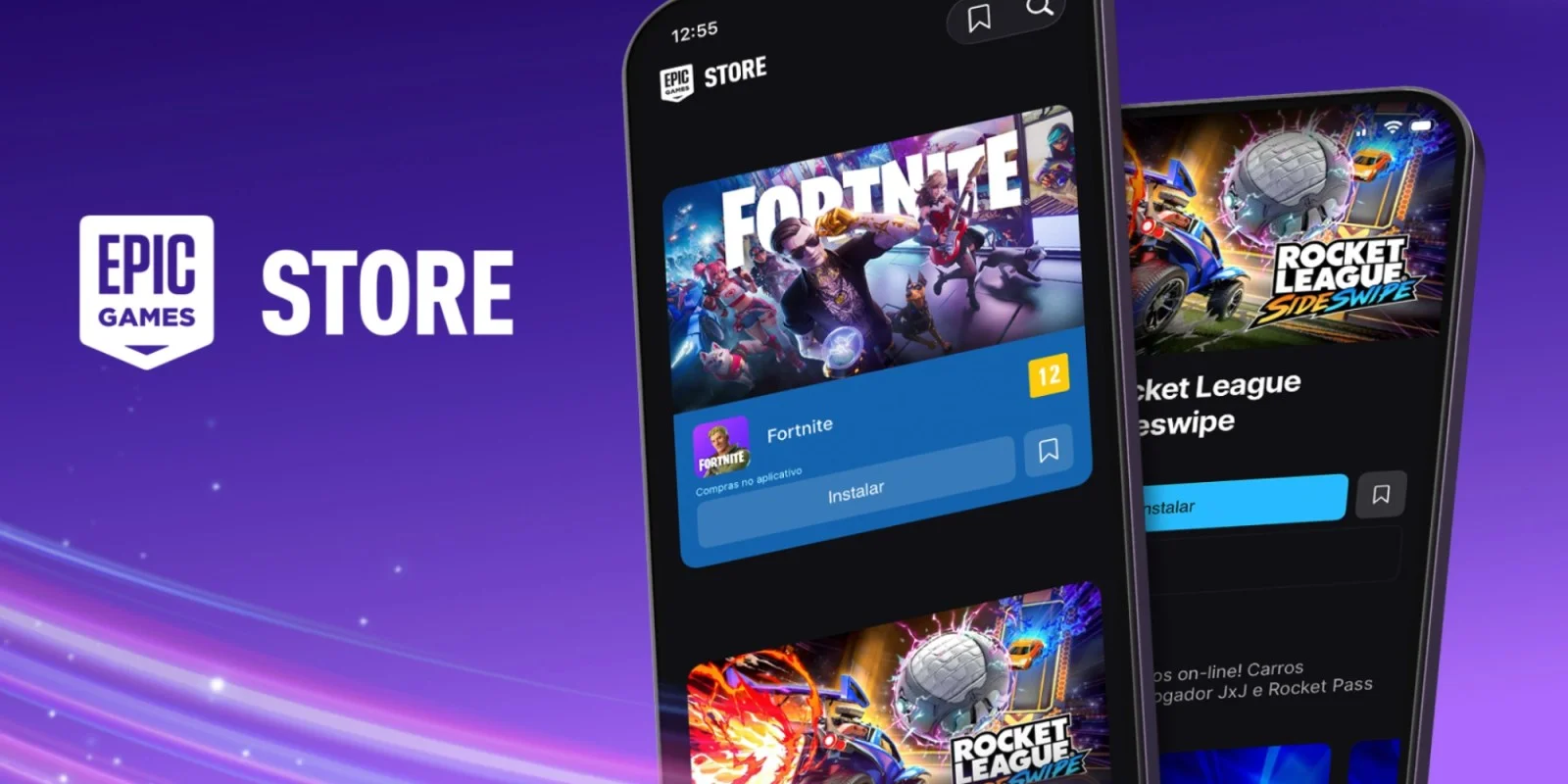
Fortnite fans in Brazil can rejoice as the game returns to iPhone through the newly launched Epic Games Store. However, Epic Games has raised concerns regarding the complicated access process dictated by Apple.
In an announcement, Epic revealed that the Epic Games Store is officially available for iPhones in Brazil, bringing with it not only Fortnite but also Rocket League Sideswipe. The ability to purchase Fortnite through this platform offers players a 20% return in Epic Rewards—a deal that Apple's regulations prevent them from providing directly via the App Store in Brazil.
"The Epic Games Store is now available on iPhones in Brazil. Download it today to play Fortnite and Rocket League Sideswipe,"
Epic stated, encouraging users to explore the current season of Fortnite and the vast array of games available through Unreal Editor for Fortnite (UEFN).
Access Hurdles
Despite the launch, accessing the Epic Games Store on iPhone in Brazil requires navigating a lengthy process that Epic claims is deliberately designed to challenge users. The company points to Apple's tight restrictions as a way to stifle competition among app stores.
Users might face hurdles right from the start, as the installation process isn’t as straightforward as most app downloads. These barriers can lead to frustrations and potential drop-offs in interest, and this is the part most people overlook. When it comes to digital distribution, user experience can make or break a platform's success. No one wants to grapple with confusing prompts just to enjoy their favorite game.
"Apple has intentionally designed their policies to undermine competition from third party app stores and choice for consumers,"
Epic articulated, citing high fees for third-party app distribution and cumbersome prompts that create a challenging install experience.
The Competitive Dynamics
This situation highlights the larger conflict between Apple and Epic Games, which has been ongoing for some time now. Epic's complaints about Apple's practices aren't new. Similar battles have taken place around the globe, where developers argue that Apple’s policies create uneven playing fields. The crux of the argument focuses on the 30% commission Apple takes on app sales, an industry-standard that many in the tech community believe is exorbitant. Unpacking this further, it leads one to wonder whether Apple's ecosystem is just keeping quality options away from consumers while fattening its own bottom line.
Amid rising concerns, many app developers, not just Epic, are advocating for better access and lower fees. A trend is emerging where firms are calling for greater transparency and fairness in app distribution policies, presenting an opportunity for reform. If you're working in this space, it's critical to monitor how these skirmishes shape the future of app store practices. Expect challenges, but also a lot of dialogue as stakeholders push back against restrictive policies.
Future Implications
Epic has indicated that it is lobbying for a less cumbersome access process in the future. They are drawing parallels between the obstacles faced in Brazil and similar tactics used by Apple in Japan, where similar challenges were reported.
The implications here go beyond just accessibility of Fortnite. They touch on the essence of what app distribution should look like in a competitive market. If Epic’s lobbying is successful, we could see a shift that not only benefits gamers but also sets a precedent for how third-party platforms interact with major app stores. Given that Brazil has a vibrant gaming community, this development holds significant weight; how the market evolves here could serve as a litmus test for other regions considering similar regulations.
"These are very similar to the same evasive tactics we’ve seen Apple use in Japan,"
Epic has shared details with Brazilian competition regulators, highlighting how these restrictions hamper the growth of a competitive mobile app market on iOS.
Looking Ahead
As developers band together to challenge the status quo, the fight between Epic and Apple proves illustrative of a broader industry struggle. App marketplaces serve not just as venues for digital goods, but also as battlegrounds for fair competition and user choice. Regulations could shift, leading to more access points for developers, so watch for upcoming debates as policymakers potentially weigh in on the state of app sales.
For detailed instructions on accessing Fortnite on the iPhone in Brazil, you can find more information in Epic's official announcement here.
Related Epic Games stories:
Discussion
Sign in to join the discussion.