Jony Ive's collaboration with OpenAI hints at a smart hardware device resembling Apple's HomePad, but specifics remain elusive.
Jony Ive, renowned for his design legacy at Apple, alongside OpenAI's Sam Altman, have been hinting at an AI-integrated hardware device for some time. Although anticipation has built, a public launch appears unlikely until next year.
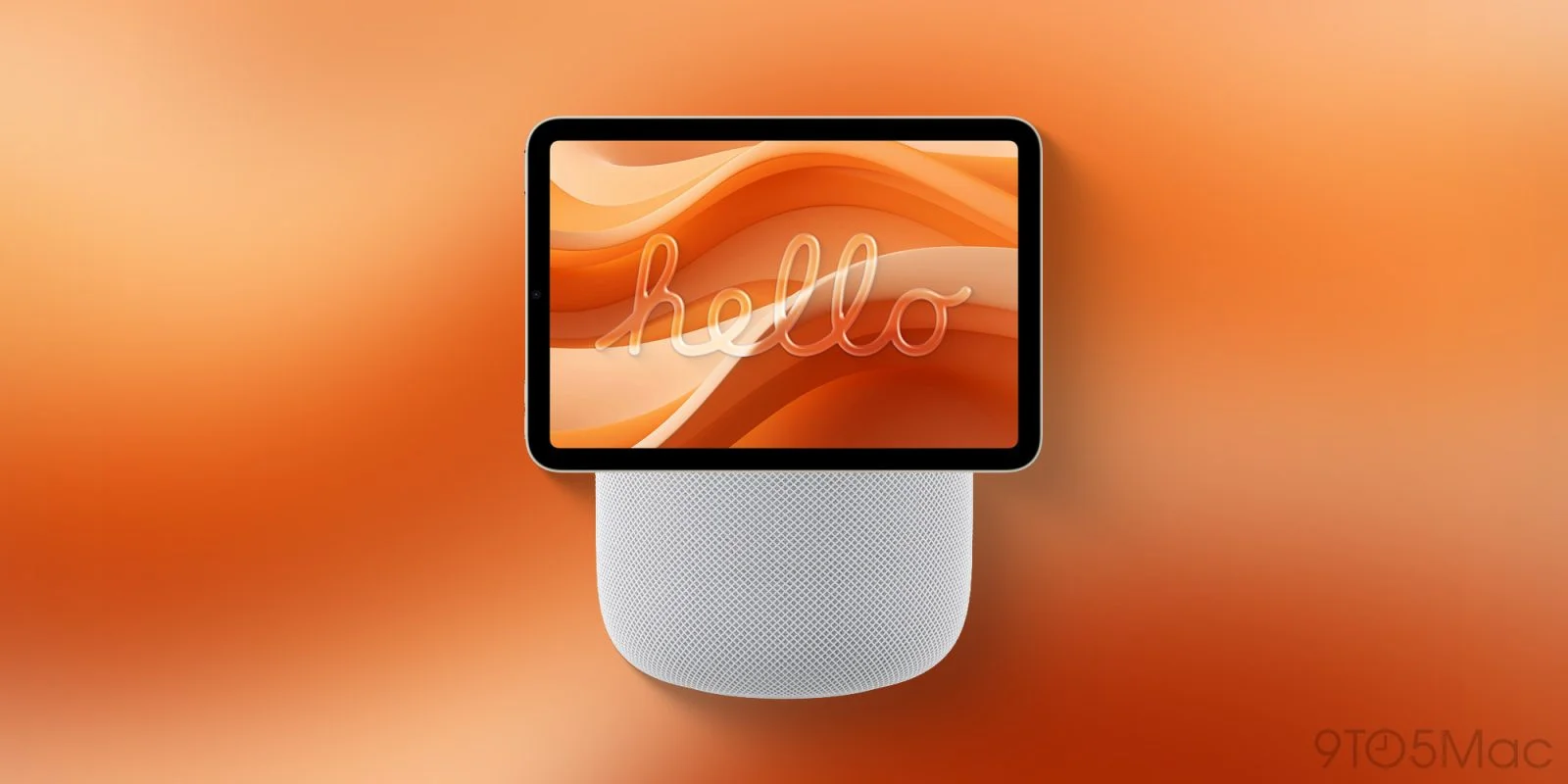
Details about OpenAI's device remain vague, but a recent interview suggests it may parallel Apple's anticipated smart home gadget, often referred to as the HomePad. This new device, blending a speaker and display, has various indications hinting at its functionalities.
Apple's Emerging HomePad
For a while now, there's been talk of Apple releasing a new smart home device that merges the functionalities of a smart speaker with a touchscreen display. While often called the HomePad, reports indicate it could be branded as the HomePod Touch. The goal is for this device to act as a “command center for the home,” utilizing Apple apps and integrating with HomeKit.
According to sources, it will feature a square display approximately the size of two iPhones, estimated to be around six inches.
This gadget could serve multiple roles, from being wall-mounted to sitting conveniently on countertops. Such flexibility is crucial in today's smart home context, where design must enhance utility. Many expect an unveiling alongside the new iPhones slated for September. There’s always buzz around Apple’s launches, but with mixed responses to past devices like the original HomePod, skepticism lingers regarding whether this new offering can genuinely transform the smart home experience.
OpenAI's Hardware Predictions
Initial teasers from Ive and Altman suggested that OpenAI's hardware would introduce an entirely new form factor, claiming it was going to be incredibly unique in the smart device market. They allude to advancements that could set new standards in how we interact with tech in our daily lives.
“I think it is the coolest piece of technology that the world will have ever seen.”
Yet, recent leaks have cast doubt on these grand claims. They point toward a device that might simply be a smart speaker featuring a camera, capable of similar functions to existing tech like Meta's Ray-Ban glasses. The notion of “something incredibly unique” feels increasingly fanciful when early indications suggest a product that could be more incremental than revolutionary.
Recent Insights on the Device
Despite OpenAI's attempts to maintain an air of mystery, hints surfaced during an interview conducted by Joanna Stern with OpenAI president Greg Brockman. While he refrained from providing concrete details, his responses suggested the device might indeed be speaker-oriented. This raises a pivotal question: what level of innovation are we really expecting?
When questioned about whether the device might include a display, Brockman intriguingly replied, “We’ll just have to see.” This cryptic response has many interpreting it as an indication that discussions around a screen might be ongoing. Given the phenomenal emphasis on user experience in tech, is it merely an oversight to sidestep directly addressing whether a screen is part of the plan? That said, it makes you wonder, what’s really at play here?
ChatGPT elaborated on the concept, emphasizing that it would prioritize a user-friendly voice interaction experience but not be limited to voice-only functionality.
This ambiguous answer leaves room for interpretation and suggests that the device could be more versatile than initially implied. The vagueness raises questions: if there were no plans to include a screen, wouldn't it be prudent to clarify that? It’s this very uncertainty that can cultivate curiosity but also breeds skepticism. If you're working in this space, the pressure to deliver something genuinely transformative can be daunting.
For those interested in the full conversation, you can find the interview here, with segments discussing the devices starting at 6:32. Share your thoughts in the comments below.
Implications and Future Outlook
The potential entry of both Apple and OpenAI into the smart device market could significantly impact user expectations. Apple's HomePod Touch aims to integrate seamlessly into a user’s ecosystem, while OpenAI's device is marred by ambiguity. If these products do launch within the same timeframe, they could either compete head-to-head or complement each other in unforeseen ways.
For users, this surge in activity signifies an evolving approach to smart home technology. There's an increasing demand for devices that can do more than just respond to commands; consumers are keen on smarter, more intuitive integrations. Apple's move into the smart speaker market is, in some respects, an acknowledgment of this demand, while OpenAI seems to be carving a niche that focuses on advanced interaction.
What does this all mean for consumers? If these devices deliver on their promises, we might see a shift in how consumers engage with their environments, moving towards a more interactive, AI-driven experience.
Discussion
Sign in to join the discussion.