The inaugural Tidyomics Hackathon led to significant advancements in tools for omics data operations, showcasing collaborative problem-solving.
Collaboration for Progress
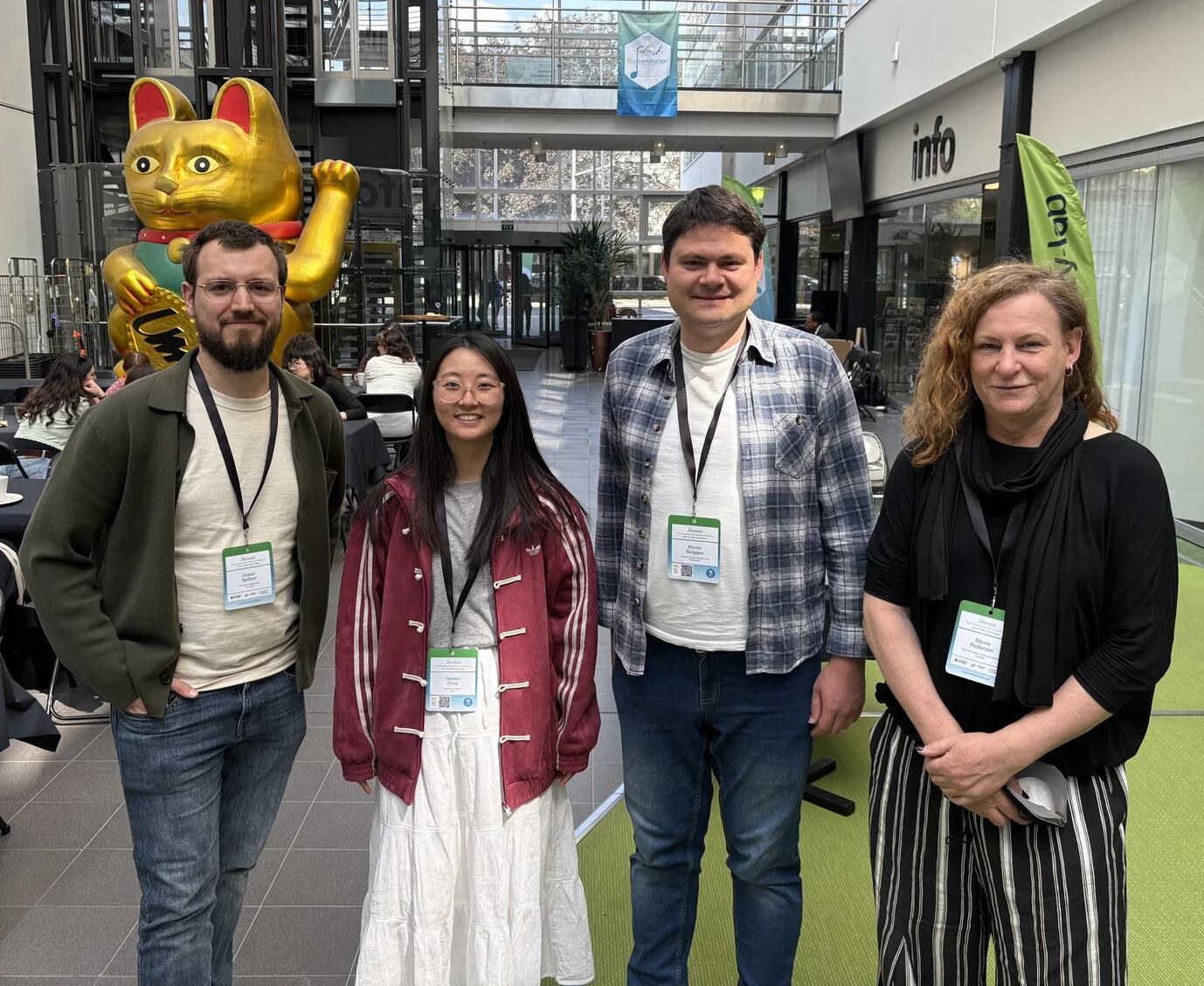
On June 1st and 2nd, researchers gathered in Turku, Finland, for the first Tidyomics community hackathon, part of the EuroBioC2026 pre-conference events. This initiative is pivotal in fostering collaboration among scientists interested in omics data processing, a crucial area in bioinformatics. With a focused mission, four participants worked together to identify and address bugs while enhancing existing functionalities within the Tidyomics framework that streamlines the often complex landscape of omics data.
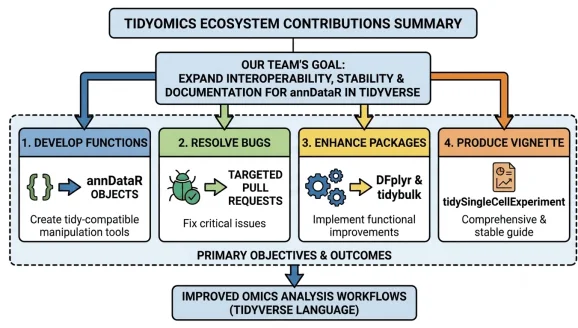
Hackathons like this one have been gaining traction in the scientific community as they create environments conducive to innovation and problem-solving. Participants in this event prioritized four main objectives:
- Development
- Bug resolution
- Feature enhancements
- Knowledge sharing
This focused approach not only allows participants to tackle immediate challenges but also strengthens community ties and fosters a culture of continuous improvement. In an age where data is king, the ability to process omics data efficiently can influence breakthroughs in genomics, proteomics, and metabolomics.
Key Outcomes
The outcomes of the hackathon have been documented in detail on BioHackrXiv. This platform serves as a valuable repository for research developments, enabling the wider community to benefit from the collaborative efforts. Participants achieved several key advancements:
- The introduction of
tidyAnnData, a new package aimed at implementing tidy operations for AnnData objects from theanndataRpackage. This addition could streamline data management and analysis processes, which often become cumbersome without proper tools. - Restoration of reliable information access to essential Tidyomics packages, which had previously suffered from broken links on the main GitHub page. Functional documentation is the backbone of software usability, and ensuring access is fundamental to user engagement.
- Improvements in the
DFplyrpackage, focusing on enhancing methods likeGroupedDataFrameandcount.DataFrameto support universal column naming conventions. These enhancements promote best practices in coding and data management. - Enhancements to the
tidybulkpackage, specifically adjusting thelfcShrink()function to accommodate various methodologies (likeapeglmandashr) and providing PCA plots for dimensionality reduction and batch effect analysis. These features are essential for researchers aiming to visualize and interpret complex datasets effectively. - Creation of a standardized vignette for
tidySingleCellExperiment, providing comprehensive guidance for new users that includes example comparisons to base R code and best practices in single-cell analysis using tidy operations. This initiative lowers the barrier to entry for new users and encourages more widespread adoption of the tools.
Looking Ahead
The two-day event yielded five significant contributions—marking a productive collaboration among researchers dedicated to open science principles. Collaboration in areas like this often elevates the quality of research outputs while enhancing the skills and networks of participants.
What comes next? Efforts will focus on finalizing tidyAnnData for public release, addressing additional bugs, enhancing package functionalities, and standardizing documentation across Tidyomics packages. These advancements pave the way for future hackathons and the ongoing pursuit of open science. Open science facilitates greater collaboration, transparency, and ultimately accelerates progress in research.
Participants are encouraged to join upcoming Tidyomics events, whether addressing existing challenges or exploring new ideas for tidy operations in omics data analysis. If you're working in this space, leveraging these developments might give you an edge in your research endeavors. This is the part most people overlook: community-driven initiatives often yield results that outpace traditional, isolated research.
For more details, visit open problems in Tidyomics. Engaging in this community could significantly enhance your understanding and application of omics data processing.
Implications for the Future
As the field of bioinformatics continues to expand, initiatives like the Tidyomics hackathon underscore a growing trend toward collective problem-solving. The implications are clear: collaborative coding efforts can lead to rapid advancements that stand to benefit a broader audience. By prioritizing open-source tools and community engagement, researchers not only enhance their own capabilities but also contribute to the larger scientific dialogue.
What's significant here is the potential for Tidyomics to become a cornerstone in omics data analysis. If successful, it may encourage the development of similar projects, fostering a more interconnected scientific ecosystem. Community-driven efforts might even accelerate breakthroughs in understanding complex biological systems, ultimately influencing healthcare innovations.
The future looks promising. As Tidyomics evolves, it will likely catalyze further discussions around standardization and best practices in data analysis. That’s something any budding researcher should keep an eye on—it could dictate the trajectory of research methodologies in the years to come.
Discussion
Sign in to join the discussion.