Explore the latest advancements in CSS, including HTML music creation, CSS Quake, and new theming standards that enhance web design possibilities.
In recent weeks, the web development community has witnessed noteworthy advancements, particularly in CSS applications. Among the highlights are unique projects like Hyperblam, a music creation tool utilizing HTML, along with CSS Quake, a nostalgic revival of the classic game, and significant updates to CSS theming. These developments not only demonstrate creativity but also push the boundaries of what CSS and HTML can achieve in various domains, from music to gaming to responsive design.
Hyperblam: Create Music Using HTML
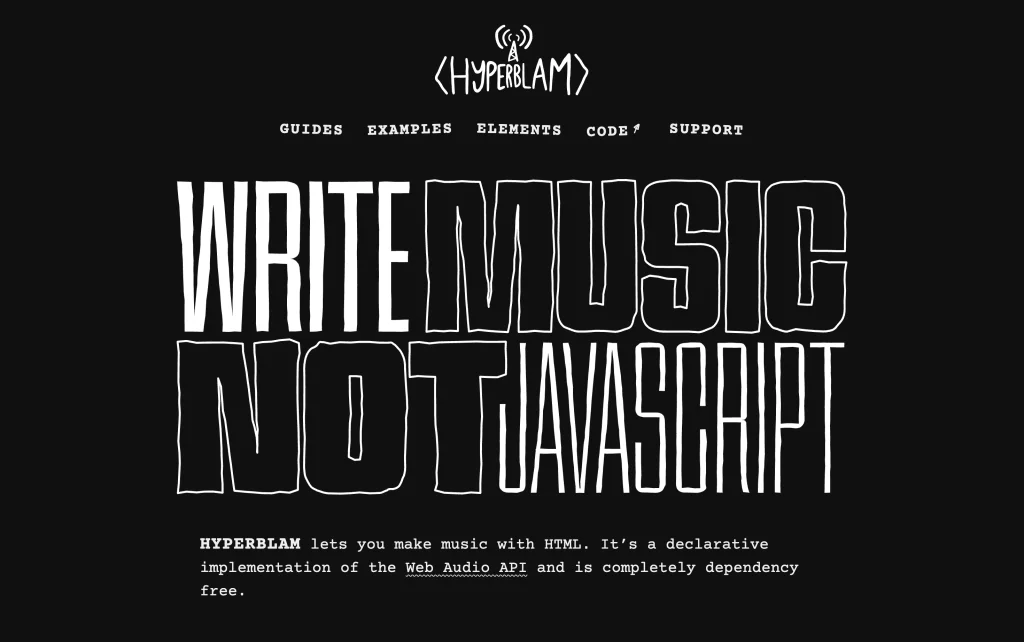
Developed by Heydon Pickering, Hyperblam leverages the Web Audio API through Web Components, allowing users to compose music without the need for JavaScript. The project is an intriguing foray into how web technologies can merge to create art, specifically in the music realm. While many traditional music production tools rely heavily on JavaScript for interactivity, Hyperblam carves out a new path by enabling users to engage in music creation through HTML alone. This shift could signify a growing trend where developers explore less conventional applications of web standards.
CSS Quake: A Blast from the Past
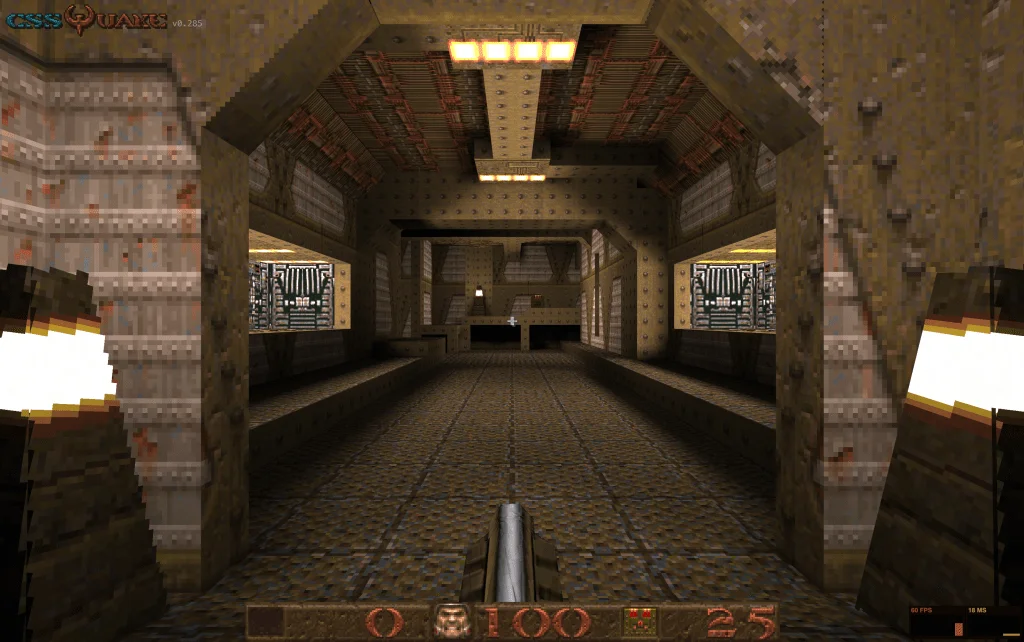
CSS Quake, an initiative from Layoutit powered by PolyCSS, resurrects the iconic 1996 video game in a CSS environment. This revival serves not only nostalgic gamers but also inspires developers to consider how gaming principles can be applied to web design. In many ways, this project reflects an ongoing intersection of technology and entertainment, showing that CSS can be both functional and playful.
Exploring CSS Gap Decorations
Temani Afif offers insights into styling gap decorations, the spaces created by the gap property in flexbox and grid layouts. This functionality has been long anticipated, and Afif's exploration reveals various creative possibilities for enhancing layouts. Designers have been eager for ways to manipulate these gaps as they can significantly impact user experience and aesthetics. The introduction of gap decorations could lead to more imaginative layout designs, moving away from traditional rigid structures.
CSS random() Experiments
Polypane has been experimenting with the random() CSS function—a feature still emerging in browser support beyond Safari. Their creative applications include generating a bokeh effect, falling petals, and intriguing animations. This experimentation showcases the potential of the random function and emphasizes why ongoing browser support is crucial for its eventual widespread adoption. Such features could enhance dynamic user interfaces by enabling developers to introduce variability and depth in visual presentation. Keep an eye on this one, as browser implementations expand.
Fluid <select> Elements
Manuel Matuzović introduces field-sizing: content in his guide on making <select> elements responsive to their chosen <option> widths. This new property, recently included in Firefox 152, enhances user experience by adapting the select field size dynamically. It's a small tweak, but it goes a long way towards creating a more intuitive interface. Users won't have to deal with awkward spacing or elements that feel disconnected from the surrounding design.
The Evolving World of CSS Theming
Una Kravets delves into modern CSS theming, discussing new functionalities like @property, light-dark(), and contrast-color(). With their recent adoption as Baseline standards, these features open new avenues for creating immersive, responsive designs across various contexts. This push towards standardized theming capabilities isn't just a technical update; it reflects a wider industry demand for more sophisticated design tools. Designers looking to cater to diverse user preferences will find these features very appealing, as they facilitate better adaptability in user interfaces.
New Features on the Horizon
-
Firefox 152
- Field-sizing (now Baseline)
Although stable browsers have seen limited updates recently, anticipation builds for what's to come. Web developers often look forward to enhancements that can improve functionality and user experience. For the latest web platform news, keep an eye on the Quick Hits section, where I cover the freshest developments both in released and experimental features. With the maturation of these technologies, the web's capabilities are expected to continuously broaden, making it an exciting time to be involved in web development.
Implications and Future Outlook
What this means for you, as a developer or designer, is an expanding toolkit to create more sophisticated web experiences. The recent advancements in CSS and HTML signal a shift towards more creative applications and interactive elements on the web. The ability to implement features like gap decorations and fluid select elements can enhance usability while also allowing for more artistic expression.
Moreover, projects like Hyperblam and CSS Quake illustrate how the community is pushing boundaries. As these technologies mature, expect even more merging of technical capabilities and creative exploration. This is more significant than it looks; the potential for innovation is pretty vast. Brace yourself for a future where web applications could blend music, gaming, and aesthetic design more effectively than ever.
Until next time!
Discussion
Sign in to join the discussion.