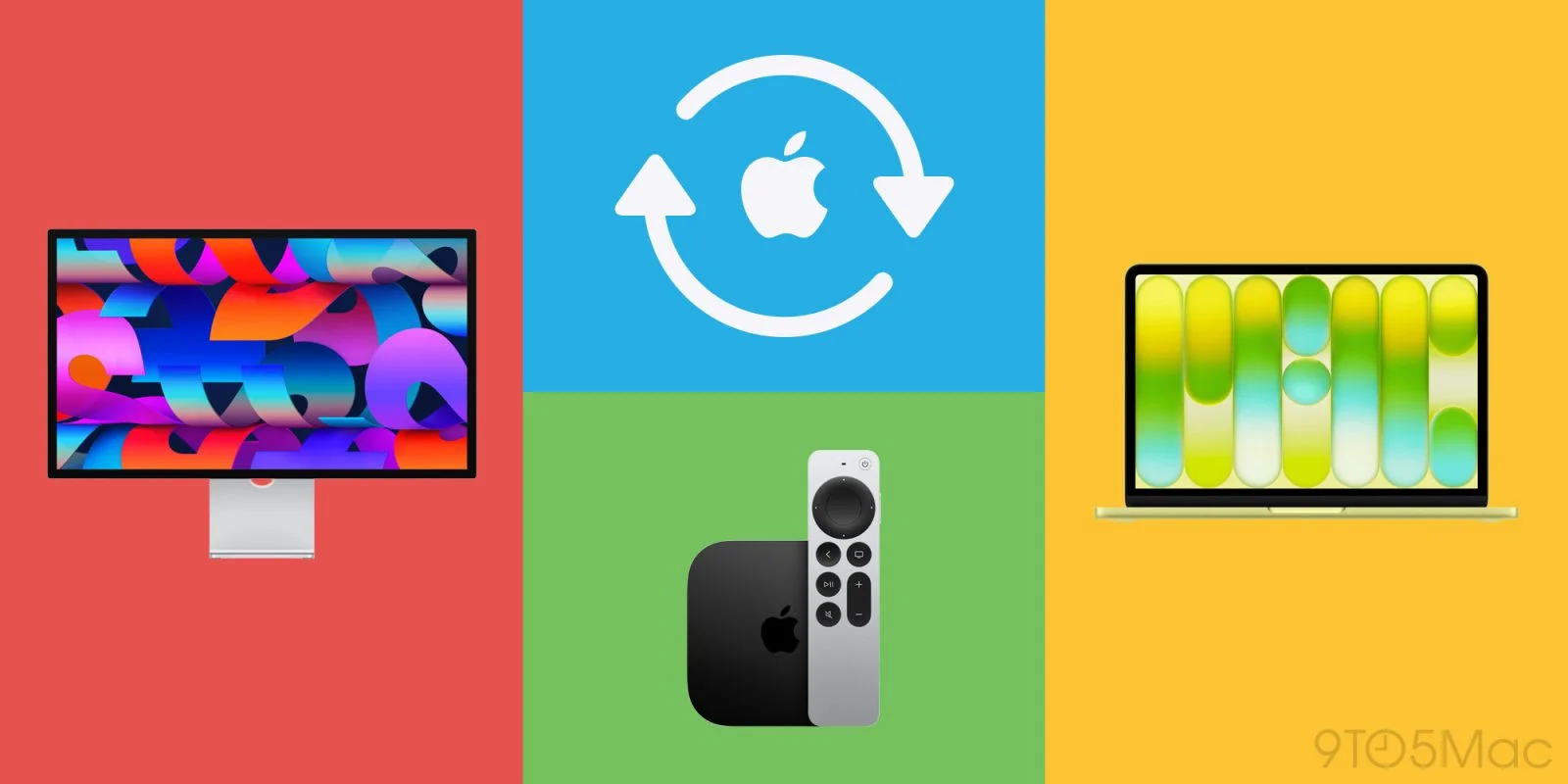
Discover premium savings on Apple products through the Certified Refurbished Store, offering quality tech at lower prices than retail.
The Appeal of Refurbished Products
Consumers are increasingly inclined toward refurbished electronics, especially in the premium market. For many, buying new devices comes with a hefty price tag that can feel overwhelming. Refurbished products provide a compelling alternative, allowing users to access high-quality devices at a fraction of the cost. The appeal is particularly strong when it comes to Apple products, known for their longevity and performance. In addition, refurbished devices come with a reduced carbon footprint compared to their new counterparts, making them a more sustainable choice. This trend aligns with a larger movement towards eco-conscious consumerism.
Apple Certified Refurbished Store: A Trusted Source
The Apple Certified Refurbished Store differentiates itself from other marketplaces by providing a level of trust and transparency that typically isn’t found elsewhere. Refurbished tools can be hit-or-miss, depending on where you buy them. However, with Apple, every product sold as refurbished goes through a meticulous inspection and restoration process. This often includes replacing defective parts, cleaning, and sometimes even upgrading components. Each device also comes with a warranty, which provides an additional layer of reassurance that you’re purchasing a reliable product rather than a gamble.
Understanding the Refurbishment Process
When a device is deemed refurbished, it usually means it has had a previous life—perhaps a customer returned it, or it was damaged in some way. Companies like Apple take these devices back, assess their condition, and then restore them to like-new status. The refurbishment process generally involves several steps: hardware testing, software reinstallations, and cosmetic cleaning. Apple is known for its high standards in quality control, which extends to its refurbishment practices. While other refurbishers may offer lower prices, often they do so at the expense of quality assurance.
Market Trends in Refurbished Electronics
The increasing acceptance of refurbished electronics is not just a fad; it reflects deeper shifts in consumer behavior. As more people become aware of the value in purchasing refurbished products, the market for such goods is projected to grow. In fact, similar systems typically report significant demand in emerging markets where first-time buyers seek high-quality devices at accessible price points. This evolving consumer preference suggests that companies, particularly in the tech industry, may need to adapt their sales strategies accordingly. If you're working in this space, it might be wise to consider how you can position refurbished products as vital offerings.
Expert Picks: Maximize Your Savings
The 9to5Mac team plays a noteworthy role in guiding consumers through the often overwhelming noise of tech offerings. By consistently monitoring the Apple Certified Refurbished Store, they provide valuable insights into inventory and pricing patterns. This enables them to highlight the most attractive deals, ensuring their audience captures the best savings possible. Their curated selections are particularly advantageous for consumers who want to make informed purchasing decisions without spending too much time sorting through options.
Potential Drawbacks
While refurbished products present numerous advantages, they aren't without potential pitfalls. Consumers must navigate issues like limited stock, which can be a significant hindrance if you're set on a specific model or color. Additionally, the warranty periods on refurbished items may be shorter than those on new ones. Buyers should also be aware that refurbished devices, while restored to an excellent condition, might not look pristine. Small cosmetic marks can be present, as these items typically bear some signs of previous ownership. These are considerations that every consumer should weigh against savings.
Choosing the Right Refurbished Product
Not all refurbished products are created equal. While branded stores like Apple offer assurance of quality, lesser-known outlets might not have the same procedures in place. Shoppers should look for signs of credibility, such as detailed refurbishment reports and good customer reviews. It's also wise to be cautious of deals that seem "too good to be true." Often, these indicate a lack of quality control or hidden issues with the product. Buyers should also check the return policy—some stores have flexible return options, which can make a significant difference if the item doesn’t meet expectations.
Future Outlook: The Evolving Market
The landscape for refurbished technology is projected to evolve further as sustainability becomes key to consumer decisions. Companies like Apple are likely to expand their certified refurbished lines, capitalizing on the environmentally conscious movement. This shift might elevate standards across the board in the refurbishment industry. You'll see more players vying for market share, including not only established tech giants but also startups focusing on refurbishing electronics. As consumers become more savvy about what refurbished products offer, expect increased pressure on sellers to maintain high standards, transparency, and ethics in the refurbishment process.
This transition is more significant than it looks. It signals a broader shift in how we think about electronics consumption altogether. By making refurbished products a mainstream option, companies can play a pivotal role in reducing electronic waste while meeting consumer demands. Such changes may not only reshape purchasing habits but could also influence design, encouraging manufacturers to build devices that can be easily refurbished and recycled. What this means for you is a marketplace filled with options that are not only cost-effective but also aligned with values around sustainability and responsible consumerism.
Discussion
Sign in to join the discussion.