Apple has classified the iPhone X and 15-inch 2018 MacBook Pro as obsolete, ending all service support for these devices.
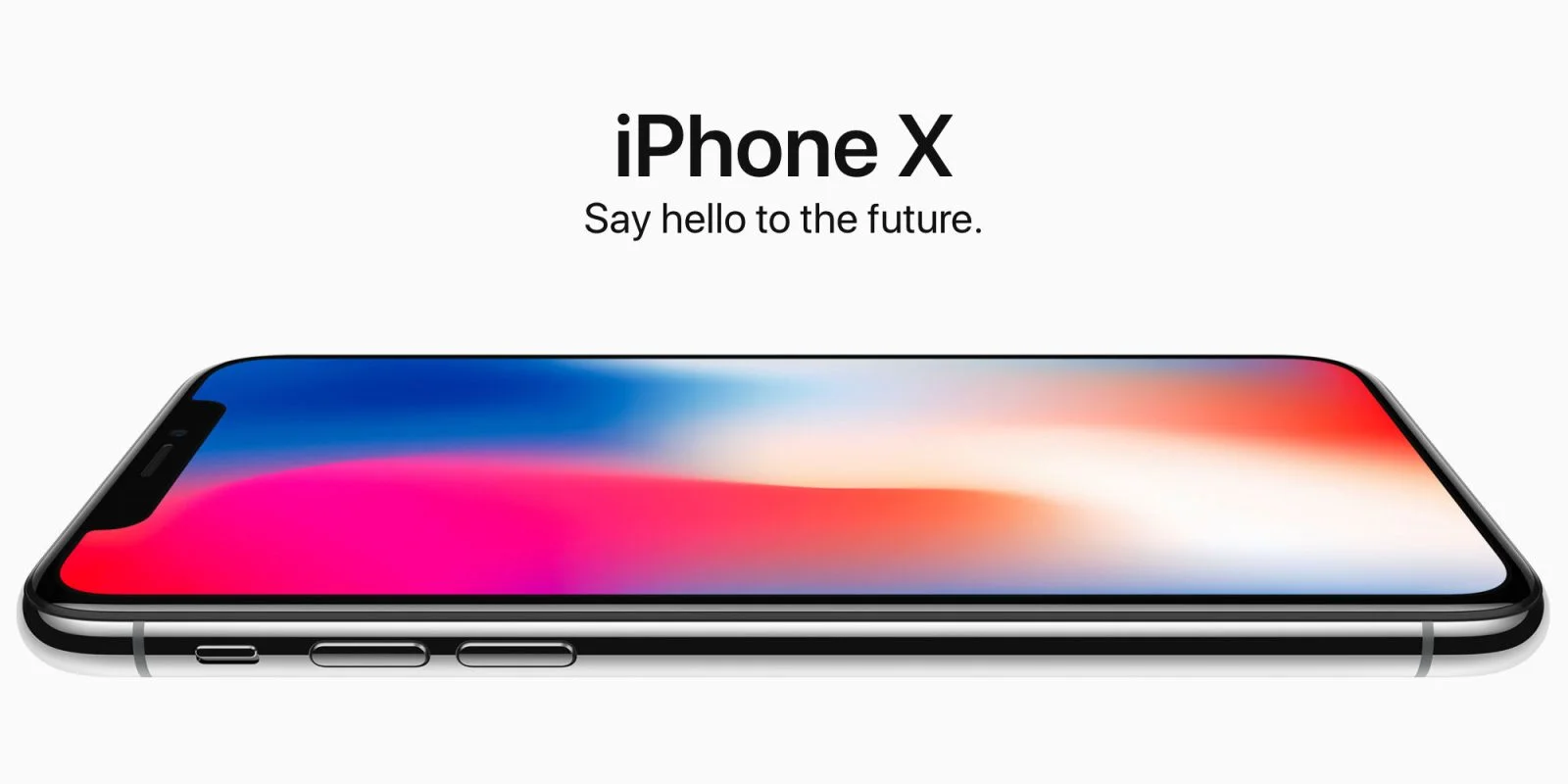
Apple's latest update to its product service lists reveals that the iPhone X and the 15-inch MacBook Pro from 2018 have now been designated as obsolete. This change carries significant implications for users of these devices.
Impact of Obsolescence on Users
When a product transitions to the obsolete category, Apple halts all hardware service support. Users will soon realize that neither Apple nor any third-party service providers can source replacement parts for these devices. Simply put, the iPhone X and the 2018 MacBook Pro are no longer viable options if repairs are necessary. This is a stark change for users who rely heavily on their devices and may have expected to maintain them for a few more years.
Apple's move to categorize these products as obsolete aligns with the company's broader strategy of focusing on more recent hardware. Typically, a product is declared obsolete after over seven years since its last sale. While this might streamline Apple’s servicing capabilities, it raises questions about the longevity consumers can expect from their devices, particularly given the investment many make in Apple products. This week's ruling is more than a technical detail; it signifies a shift in how Apple supports its users over time.
For users of these devices, the implications are palpable. More than just the inability to repair, users may find it difficult to sell or trade in obsolete devices. The resale market often values devices based on their ability to receive software updates and repairs, and now Apple has essentially put these products on the shelf. For anyone currently using an iPhone X or a 2018 MacBook Pro, this change serves as a potent reminder of how quickly technology evolves—and how vital it is to stay updated.
What Makes a Product Vintage?
In contrast to obsolete products, Apple's vintage list includes devices that have been out of circulation for more than five but less than seven years. These items can still receive limited service as long as parts are available. The distinction is crucial, especially for users who may not want to upgrade their devices frequently. While the iPhone X and the 2018 MacBook Pro have now crossed into obsolescence, devices like the 2020 iPhone SE may still be serviced under the vintage designation.
This creates a tiered landscape for Apple products—a sort of afterlife for devices that can still receive some form of support, albeit limited. It also shapes user behavior; instead of getting rid of vintage devices, some consumers might choose to hold onto them as long as they function adequately. However, as parts dwindle and repairs become increasingly difficult, this strategy can only last so long. For many buyers, the novelty value of owning older tech can quickly fade when service needs arise.
Apple’s categorization of vintage versus obsolete may not matter much to casual users. But for tech enthusiasts and professionals, this distinction could influence how they view the longevity of their investments. After all, a product labeled as vintage provides a glimmer of hope for future service options, even if limited. If you're working in this space, understanding which devices fall into which category could influence your purchasing decisions. The dread of obsolescence looms large as technology continues to shift at an astounding pace.
Software Support Status
The scenario for both the iPhone X and the 2018 MacBook Pro isn’t just about hardware; it also heavily relates to software support. The iPhone X received its last major OS update with iOS 16, and it won't support iOS 17. On the MacBook Pro front, users are now limited to macOS 15.7.7.
As software updates dwindle, users might experience a dated, unsupported interface. That can lead to security vulnerabilities, especially on devices that are no longer patched regularly. In an era where cyber threats are ever-present, running outdated software can put personal data at risk. What this means for you, should you still own one of these devices, is that you may want to consider upgrading sooner rather than later—security in technology often matches the devices' ability to stay updated.
For those users who cling to their devices for nostalgia or sentimentality, the absence of software updates might soon feel like a major drawback. Should you wish to browse the complete list of Apple’s vintage and obsolete products, or check cases where service might still be extended, click here. The discontinuation of software support is a call to action for those still holding onto aging tech.
Future Outlook: Implications for Consumers
The obsolescence of certain Apple products doesn't just affect individual users—it also casts a long shadow over consumer expectations in the tech industry. As products get phased out more rapidly, a thought experiment emerges: how long should consumers expect to keep their devices before they become obsolete? With the iPhone X and 2018 MacBook Pro now categorized as obsolete, many might reevaluate their upgrade cycles.
Customers might feel inclined to purchase new devices more frequently to avoid the pitfalls of obsolescence, impacting overall spending habits. This trend sparks questions about environmental considerations, especially with e-waste becoming a pressing concern. Disposing of technology that’s barely a few years old raises eyebrows, and critiques about sustainability practices in the tech industry are bound to intensify.
As Apple continues to innovate and release new products, it’s clear their strategy encompasses not just how devices are used but also how long they remain serviceable. Whether or not this is sustainable remains a matter of debate, but one thing appears evident: consumers will have to adjust their expectations as the pace of technological advancement continues to escalate.
Discussion
Sign in to join the discussion.