The Apple Vision Pro excels in content consumption, especially when used lying down for a cinematic experience, offering new forms of entertainment.
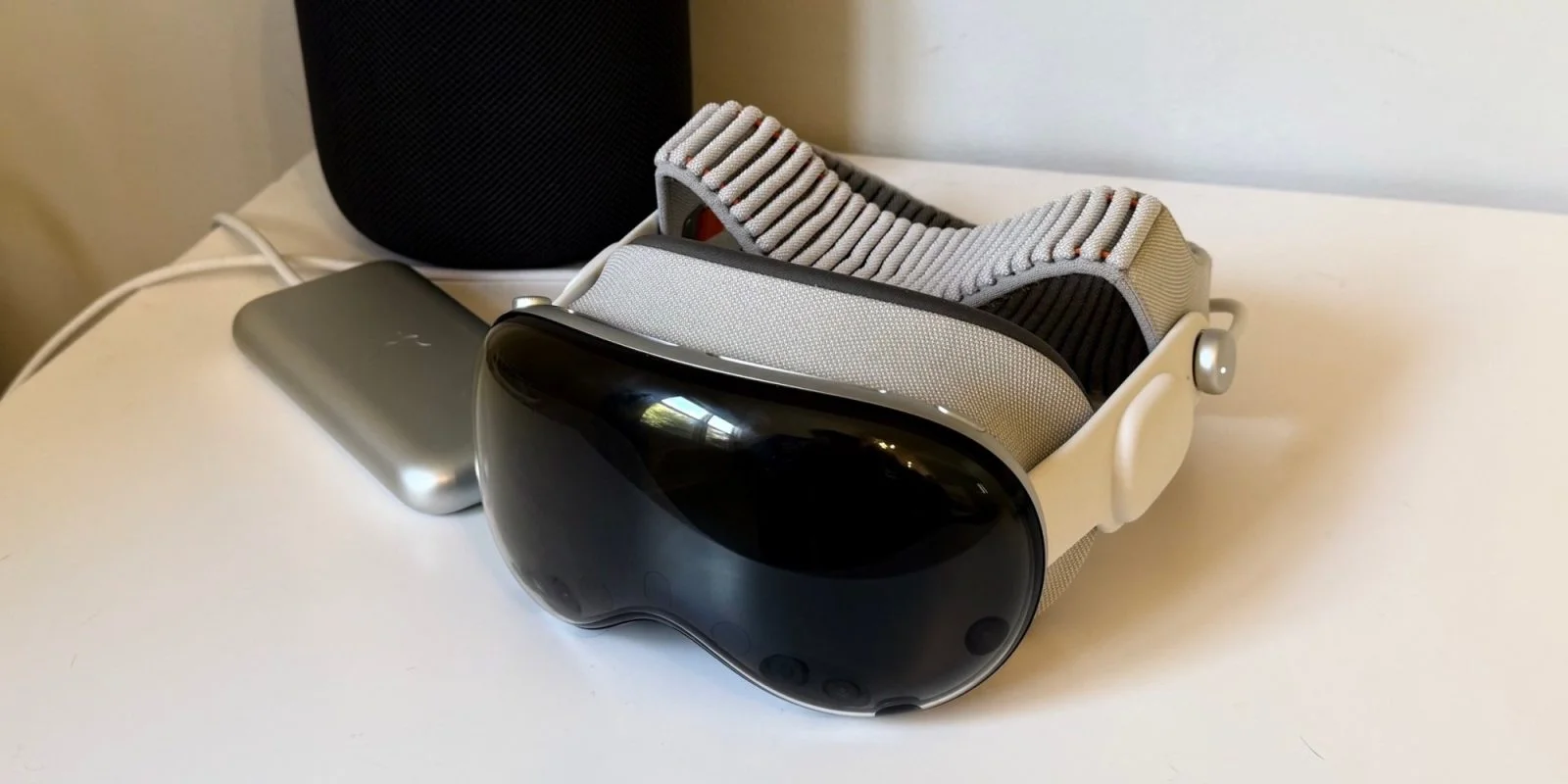
Apple’s Vision Pro stands out as a compelling new device in the tech world, combining impressive capabilities with a unique user experience. While its current form may be transitional, it introduces users to visionOS, paving the way for future iterations, likely involving lighter, more comfortable wearables. The Vision Pro is not just another gadget; it's Apple's foray into a new paradigm of interaction with digital content, blending augmented reality (AR) and virtual reality (VR) features in a way that few other devices have attempted. This ambition to redefine how we engage with technology is evident but invites scrutiny regarding its practicality and long-term viability.
After acquiring my Vision Pro late last year, I initially approached it with excitement, intrigued by its potential. The launch suggested limitless possibilities, like using it as a virtual display for my Mac or enjoying a spatial FaceTime experience. Yet, as time passed, the novelty faded, revealing some practical shortcomings, notably its weight, which makes extended use a challenge. This issue led many early adopters to sell their devices, allowing a secondary market to emerge with prices averaging around $1,500—considerably more accessible than the retail price of $3,699. This fluctuation in value speaks volumes; it indicates that while the Vision Pro holds promise, many users aren't entirely sold on its functionality for day-to-day use.
Despite its drawbacks, the Vision Pro excels in the realm of content consumption. The App Store may lack depth, but it supports many popular streaming applications—Disney+, HBO Max, YouTube, and a few others. However, it’s a noticeable shortcoming that Netflix is absent from this selection, which may limit its appeal for some users. For a device marketed as a multimedia powerhouse, the lack of a significant player like Netflix raises questions about its content strategy and partnerships. This could suggest either ongoing negotiations or simply an oversight that leaves potential viewers wanting.
Enhancing the Viewing Experience
Tim Cook, Apple’s former CEO, has shared his method for enjoying content on the Vision Pro, which he reaffirmed recently during an interview linked to the season 4 premiere of Ted Lasso. He mentioned that watching the series lying down was the way to go: "Oh yes, of course, and watch it lying down on Vision Pro, there's nothing quite like that." This approach might not be the exclusive way I consume content, but it’s certainly my favorite. Watching horizontally, the experience mimics the comfort of theater seating, drastically mitigating the device's heft.
The experience of lying down while using the Vision Pro erases concerns about its weight, transforming viewing into a more relaxing affair. (And this is the part most people overlook.) The cumbersome nature of holding the device for long stretches is offset by this approach, making it feel like you've created your own personal cinema. Though multitasking can be cumbersome due to a less-than-ideal software keyboard, focusing solely on a movie or show can be enjoyable, especially when it's designed to leverage 3D technology effectively. Viewing a cinematic release, the spatial audio and visuals can truly feel enveloping in a way that standard screens can't replicate.
While spending nearly four grand on a device for occasional movie watching might seem extravagant, the depreciation seen in the second-hand market makes this investment look smarter. Using a Vision Pro as an immersive screen for evening viewing offers a unique cinematic experience that’s hard to replicate elsewhere. It delivers a true escape, pulling you into the narrative and allowing you to experience stories at a level that feels almost real. Yet, one has to question the longevity of such enthusiasm: are users willing to overlook its other limitations for a premium viewing experience? The answer remains to be seen.
The Implications and Future Outlook
The mixed reception surrounding the Vision Pro opens up a broader conversation about the future of AR and VR technology. Are we at a tipping point where these technologies will become mainstream, or is this merely a curiosity that will fade? The early adoption of the Vision Pro suggests there's a core audience eager for immersive content, but the practical challenges are significant. Apple has set an ambitious path and, while its reputation can buoy initial sales, sustained success will require addressing user pain points.
If you're working in this space, consider how user comfort and broader application across various use cases will be crucial. Future iterations of such devices must learn from the initial feedback. Comfort needs to be paramount, and expanding the ecosystem of apps will be necessary to ensure that users won’t feel as though they’re missing out on essential experiences. The Vision Pro may have set the stage, but it remains to be seen if Apple can deliver the refinement that keeps users engaged. Without continuous improvement, experiences that begin as immersive might fade into the background—much like so many tech trends before it.
Top Accessory Recommendations for Apple Users:
- Anker Ultra-Slim MagSafe Battery Pack
- AirPods Pro 3 (2x ANC vs AirPods Pro 2!)
- Anker Nano 45W Fast Charger with Smart Display
- Anker Prime 3-in-1 25W Compact MagSafe Charger
- Logitech MX Master 4 Mouse for Mac
- AirTag 2 4-pack (50% improved Precision Finding!)
- Belkin MagSafe 3-in-1 Charging Stand for iPhone
Discussion
Sign in to join the discussion.