Apple is set to unveil its first AI-powered smart glasses in 2027, focusing on voice interaction, stylish designs, and potential health tracking features.
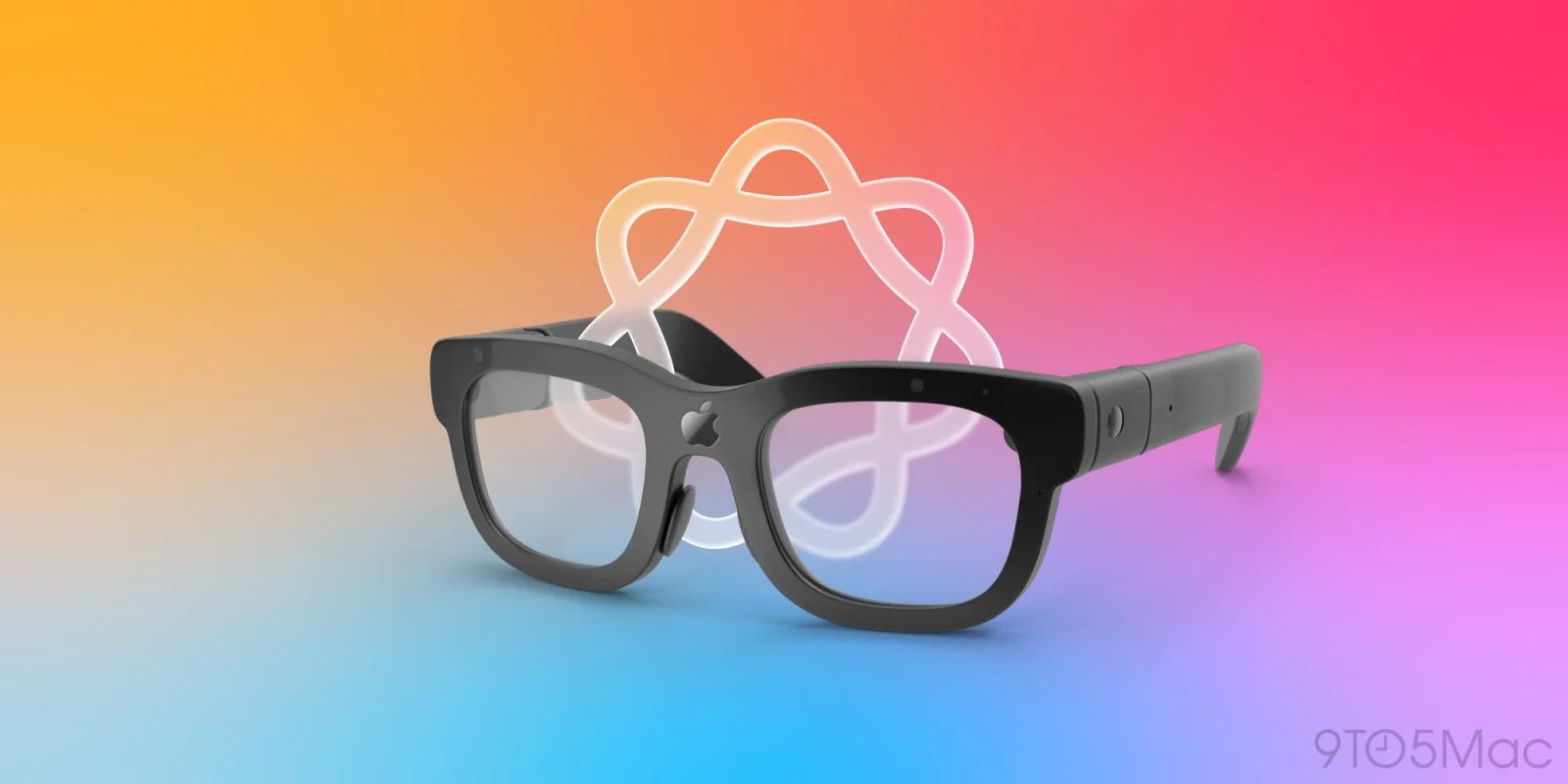
Apple's ambitious foray into smart eyewear is anticipated to debut in 2027, showcasing a unique blend of artificial intelligence and practical applications. Unlike traditional augmented reality glasses, these devices will primarily focus on voice interaction and environmental awareness through advanced camera integration. This indicates a strategy that sidesteps the AR focus found in competitors, aiming instead to create a more accessible, user-friendly experience that appeals to everyday consumers.
Core Features
These upcoming smart glasses won’t feature conventional displays. Instead, they will rely on voice commands and camera capabilities, aiming to make information retrieval hands-free. Siri will understand and respond to the surrounding environment in real-time. For instance, users will be able to ask questions about their immediate context, receive helpful information, and even translate written text from the real world. The ability to query your environment simply by talking could redefine how we interact with technology on the go.
One intriguing functionality may allow users to capture images using Siri, which can be saved for later reference. This could open up possibilities for users who want to document experiences without fiddling with their smartphones. In addition to these interactive features, the glasses will include built-in speakers, effectively functioning as open-ear headphones for enjoying music and audio content. This combination of smart tech and audio functions points to a more integrated lifestyle choice for consumers.
However, Apple's approach significantly contrasts with certain competitors, like Meta's Ray-Ban smart glasses, which raised privacy concerns over their photo and video capturing abilities. Apple's version appears to avoid these features to prioritize user privacy and security. While this decision may restrict some functionalities, it underscores Apple's long-standing commitment to protecting user data, positioning these glasses as a more privacy-focused option in a market increasingly marred by concerns over surveillance and data misuse.
Designs and Styles
Rather than collaborating with established eyewear manufacturers, Apple has opted for an in-house design for its smart glasses. This choice reflects Apple's broader strategy of maintaining control over the entire product experience, from design to functionality. Sources indicate that several styles will be available at launch, offering a diverse selection:
- A large rectangular frame similar to the popular Ray-Ban Wayfarers
- A slimmer rectangular variant akin to the glasses worn by Apple CEO Tim Cook
- Larger oval or circular designs
- A sleek, smaller oval or circular option
The glasses are expected to be constructed from acetate, a high-quality material recognized for its durability and lightweight benefits. The choice of materials is particularly significant, as comfort will likely play a key role in user adoption. With a variety of colors, including black, ocean blue, and light brown, Apple seems poised to cater to various consumer preferences, ensuring these glasses are not just functional but also stylish.
Health Features
Looking ahead, Apple might integrate health-monitoring features into future iterations of the glasses. Speculations suggest this could include heart-rate monitoring, akin to what has been seen with AirPods Pro. Such features could bridge the gap between wearables and health tech, expanding consumers' reliance on Apple products for their health insights. Additional software updates could bring functionalities similar to those found in the Apple Watch, such as workout tracking capabilities.
While such health-focused features are not slated for the initial release, Apple is strategically positioning itself to explore this avenue in the future. This transition could align with the growing consumer desire for devices that incorporate wellness tracking, a trend increasingly prevalent among tech companies.
Projected Release Timeline
Insider reports suggest that the smart glasses will be unveiled during the Annual Worldwide Developers Conference (WWDC) in 2027, allowing developers time to adapt their applications for this new form factor. This timing isn't just about showcasing new hardware; it’s also a call to developers to think creatively about the applications they'll build, pushing the ecosystem forward.
The anticipated retail launch will likely sync with Apple's traditional September product rollout alongside the latest iPhone models. This approach has proven successful for Apple in the past, creating an event that builds momentum around both new devices and the software that enables them. Such timing may also help in capitalizing on the buzz created by the latest iPhone, ensuring robust sales from the outset.
Implications and Future Outlook
With growing anticipation surrounding Apple's first entry into the wearable eyeglass market, the tech community is eager to see how these devices will function and affect everyday life. If you're working in this space, the potential applications for smart glasses could reshape not just personal tech interactions but also commercial endeavors—think retail environments where this tech could provide contextual product information to customers.
Moreover, the emphasis on privacy can set Apple apart, especially when public trust in tech companies is waning. As users become more discerning about data security, Apple's strategy could resonate positively with its privacy-focused consumer base. Perhaps, as other companies grapple with backlash over privacy issues, Apple's focus on secure user experience will be more significant than it looks. The resulting shift could even prompt changes in how all tech developers approach product design and consumer trust.
Share your thoughts on Apple's smart glasses in the comments below. What you feel about the integration of AI and environmental awareness into your daily wear? It certainly could become a new norm, for better or worse.
Discussion
Sign in to join the discussion.