George Santos has been permanently banned from Kalshi for manipulating trades related to his own attendance at a State of the Union address.
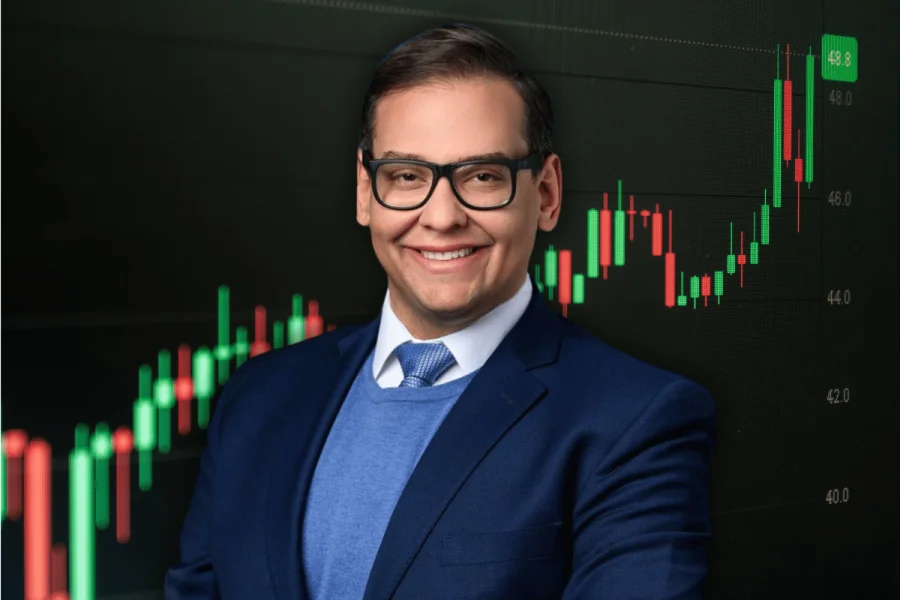
George Santos has received a permanent ban from Kalshi and is required to pay $71,356 after the prediction market platform found evidence of his manipulation of contracts related to his State of the Union attendance. This disciplinary action signifies a serious breach of Kalshi’s trading regulations, reflecting a growing concern about market integrity.
The Details of the Ban
The sanction, effective since August 28, pertains to trades made between February 2 and February 25, 2026. Kalshi's compliance officers uncovered that Santos executed multiple substantial trades betting on whether he would attend the event—a situation he could control. This activity directly conflicted with Kalshi's rules prohibiting members from trading in contracts tied to events they can influence. Trading on events like this raises ethical questions, as insiders can manipulate outcomes to benefit financially, undermining the entire purpose of prediction markets, which is to forecast public sentiment rather than personal gain.
The implications of his actions run deeper than the immediate financial repercussions. They highlight systemic vulnerabilities in prediction markets that depend on the integrity and honesty of participants. If market integrity is compromised by manipulative trading, it could erode public trust in these platforms and their ability to provide reliable insights. Without measures encouraging accountability, markets could devolve into arenas for strategic deception rather than genuine forecasting.
Allegations of Misleading Statements
Moreover, Santos allegedly made public statements about his attendance plans while simultaneously trading on that very question, raising concerns about the veracity of those claims. Kalshi's compliance report stated, “The Compliance Department found that Santos made these statements with the intent to manipulate the price of the Yes or No contracts that he intended to purchase.” This assertion compounds the issues of ethics and legality in prediction market trading. If politicians can manipulate public discourse while profiting from it, what does this mean for accountability in such marketplace dynamics?
The insidious nature of this kind of manipulation often goes overlooked. It not only affects individual trades but can also distort public perception and sentiment. If you're working in this space, you might find yourself questioning the reliability of prediction markets as accurate indicators of future events. Santos’ case exemplifies how fragility in these systems may easily lead to significant misunderstandings—both among traders and the general public. Trading practices, especially under the scrutiny of public figures, should fortify rather than compromise the integrity of the market.
Accumulating Violations and Ongoing Investigations
According to Kalshi, the ruling cited multiple infractions, including market manipulation and trading based on events subject to member influence. The exchange's self-regulatory framework emphasizes adherence to compliance, particularly regarding non-public material information. Santos’ actions have prompted a broader conversation about the integrity of prediction markets. The integrity of these trading mechanisms hinges on the assumption that all participants operate transparently and ethically, a premise that Santos' actions have directly challenged.
The investigation into Santos' trading activities has not been without controversy. In June, he challenged reports suggesting that federal authorities were probing his trades on Kalshi. “The basis of the accusation is preposterous and I look forward to supplying any information asked of me to any agency that inquires,” he responded. Yet, as investigations progressed, Kalshi opted to freeze his account and refer the findings to both the Justice Department and the Commodity Futures Trading Commission. Legal repercussions may follow his activities, potentially altering how prediction markets engage with legal oversight in the future.
This scrutiny gained even more traction following President Trump's controversial decision in October 2025 to commute Santos' sentence in a federal fraud case, further complicating Santos' public image. The intertwining of personal scandal with professional misdeeds raises questions not only about Santos himself but about how the public and market participants perceive predictability and reliability in this sector.
Wider Implications for Prediction Markets
The implications of Santos’ actions extend beyond his personal predicament; they raise critical questions regarding the regulatory framework governing prediction markets. Other platforms like Polymarket are also examining their operational protocols in light of these incidents. Following events similar to Santos’ trading behavior, Polymarket has introduced stricter regulations regarding trade transparency and access to sensitive information. These changes are not merely reactionary; they signal a cautious approach to building a more trustworthy environment for traders.
Neal Kumar, Chief Legal Officer at Polymarket, remarked, “Markets thrive on clarity. These rule enhancements make our expectations abundantly clear for every participant across both platforms and highlight the compliance infrastructure we have already built.” This proactive approach is essential not just to salvage reputations but also to instill confidence in prediction markets. As these markets grow, their regulations must evolve to forestall abuses and maintain their intended utility.
Santos, for his part, expressed disdain for Kalshi’s decision, publicly questioning the firm's longevity as he faced a lifetime ban from the platform. He maintained that his previous support for prediction markets remained unchanged, declaring on his YouTube channel, “It is not a crime to do prediction market.” But therein lies the irony: the question isn't whether prediction markets can exist; it's whether they can exist credibly. Meanwhile, the industry must grapple with the ramifications of Santos’ actions.
Future Outlook and Significance
The developments following Santos' actions underscore a pressing need for transparent practices within prediction markets. As exchanges recalibrate their compliance frameworks, the future of such markets hangs in the balance. With participants growing wary of manipulation, how Kalshi, Polymarket, and others adapt may determine the industry's resilience. And this is the part most people overlook: public trust can be hard to regain.
What this means for you, particularly if you're involved in prediction market trading, is a critical period ahead. Regulatory developments will likely reshape how markets operate, and as integrity becomes a focal point, understanding these changing dynamics will become increasingly important. The scrutiny that Santos has drawn extends beyond him; it's a focal point for examining how accountability and transparency intersect in this intriguing and potentially lucrative sector.
Image credit: U.S. House Office of Photography via WikiCommons
Discussion
Sign in to join the discussion.