Apple's new iPhone Duo could secure nearly 25% of the foldable smartphone market by 2026, shipping 5 million units amidst industry challenges.
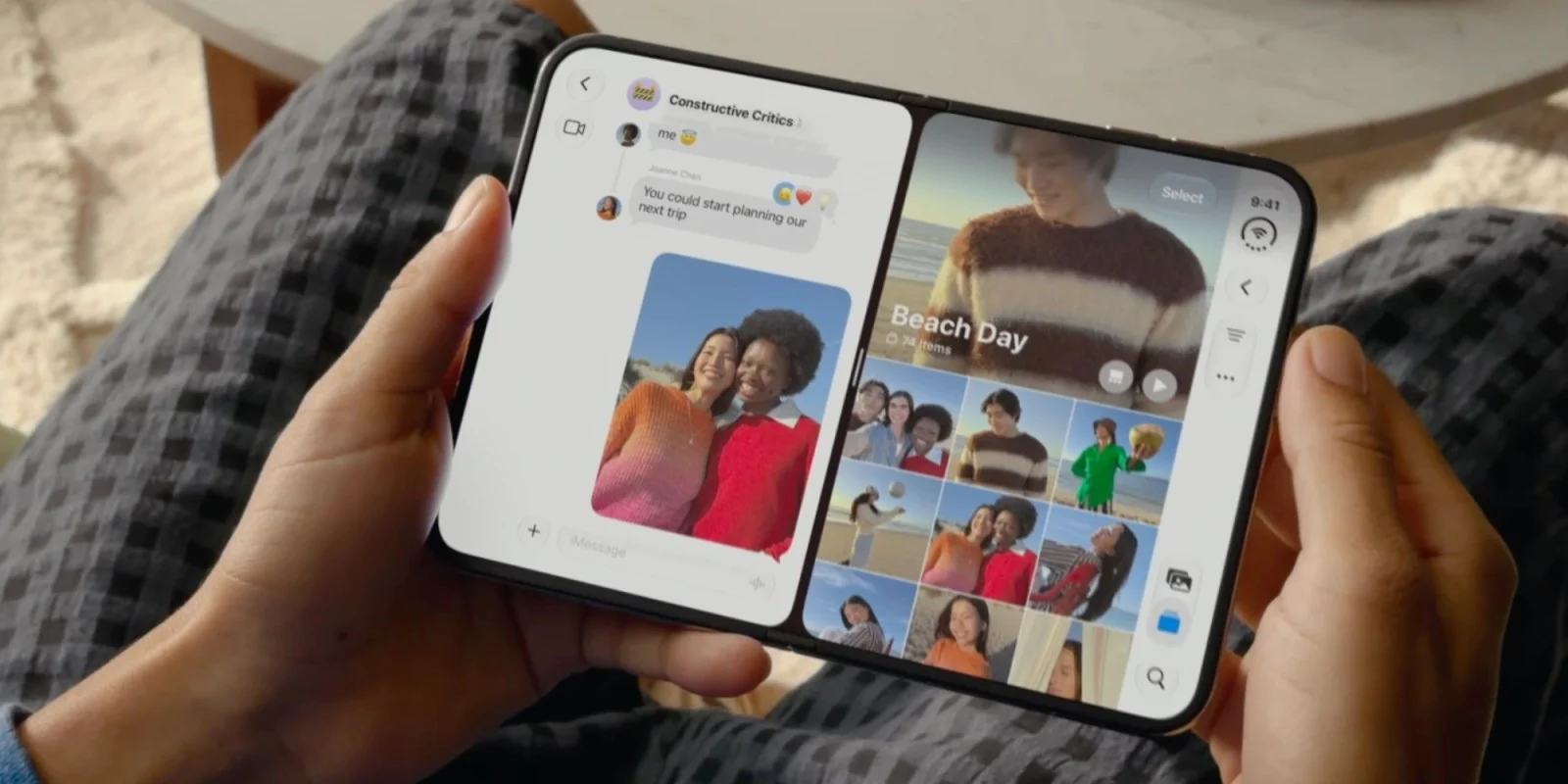
A recent report from TrendForce suggests Apple's upcoming iPhone Duo may capture a striking 24.8% share of the foldable smartphone market by 2026, despite a projected downturn of 20% in the overall segment. This insight underlines Apple's potential impact on a market currently facing significant challenges. Given the general struggles within the foldable category, this projection raises important questions about the iPhone Duo's role in revitalizing consumer interest in foldable devices amid an environment marked by economic headwinds and rising production costs.
Projected Shipments for iPhone Duo
TrendForce estimates that Apple will ship around 5 million units of the iPhone Duo by the end of 2026. This forecast could be pivotal in counterbalancing the overall decline within the foldable smartphone space, attributed largely to rising component costs. The ability to navigate these challenges is what differentiates successful entries in this competitive market.
According to TrendForce, global shipments of foldable smartphones are expected to hover around 20.2 million units in 2026, showing a modest 0.5% year-over-year growth. In contrast, Android competitors are forecasted to sell approximately 15.2 million units combined, reflecting a more than 20% drop compared to previous figures.
Samsung is forecasted to maintain a leading market presence, expected to ship 7.1 million units, claiming a 35.1% share. Huawei may match Apple's expected shipments, each projected at 5 million units, contributing to the anticipated competitive landscape. It's a challenging scenario for Android players, who face mounting pressure as component costs rise and consumer interest appears to wane. With Apple potentially driving nearly a quarter of the market, the iPhone Duo could dramatically shift competitive dynamics.
Design Choices and Trade-offs
The report also delves into Apple's design decisions for the iPhone Duo. Notably, Apple has chosen to forego a dedicated periscope telephoto camera to reduce thickness and optimize internal space. This design choice is emblematic of how smartphone manufacturers must continuously juggle features versus form factor—especially in a category where physical dimensions can significantly impact user experience. Instead, the device will feature a 48 MP main camera capable of 2x optical-quality zoom, supplemented by a side-mounted Touch ID sensor in place of Face ID. These design considerations illustrate the ongoing trade-offs inherent in developing foldable devices, particularly concerning thickness, camera functionality, biometric options, and battery life. If you're working in this space, understanding these trade-offs can guide your expectations for future devices.
Apple's decision to exclude certain features emphasizes a focused approach to design. In a world where many brands chase specs, Apple's strategy appears to prioritize user comfort and effective performance, even if it means sacrificing bells and whistles. This approach might appeal to a segment of users who value a sleek design over having an extensive feature set that can add bulk. That said, will this compromise attract the higher-end foldable audience the company is targeting, or will it leave potential buyers desiring more flexibility?
Future of Foldable Phones
Looking ahead, TrendForce hints at exciting possibilities for the foldable segment. The potential integration of advanced AI features and multitasking interfaces could redefine how users interact with these larger displays. This amounts to more than just hardware distinctions; foldable smartphones might evolve into vital platforms for AI innovations. (And this is the part most people overlook.) As devices become multifunctional, the paradigm shifts from mere form factors to genuine user environments where artificial intelligence takes center stage.
Interesting developments in AI could turn foldable phones into go-to devices for multitasking, letting users switch seamlessly between apps or program shortcuts tailored to their needs. However, this also raises the question of whether existing users care about functionality over form or whether they expect both. The gap between consumer expectations and device capabilities could determine the foldable segment's future trajectory, especially as these devices integrate more dynamic and complex features.
Implications and Future Outlook
The implications of Apple entering the foldable market with the iPhone Duo are substantial—treading new waters for both the company and its competitors. If Apple's projections hold up, the device’s performance could significantly shape trends in pricing, design, and functionality across the smartphone sector. The iPhone Duo could provoke a strategic reevaluation from rivals, prompting them to respond in innovative new ways or risk losing further market share.
While the forecast certainly provides a glimmer of hope for the foldable category, it also highlights potential pitfalls ahead. Apple's brand strength can't overshadow deeper economic factors that weigh on consumer spending. As we analyze the dynamics at play, it's clear the foldable space isn't merely about new designs; it's also about addressing consumers' expectations in a challenging market environment. The coming years will reveal whether the iPhone Duo can disrupt the current status quo or if it will merely add to the noise of a fragmented market.
For more detailed insights, read the full report from TrendForce here.
Discussion
Sign in to join the discussion.