Apple's iOS 27 features a revamped Siri AI, but users will need to join a waitlist for access. Here's how to get on board.
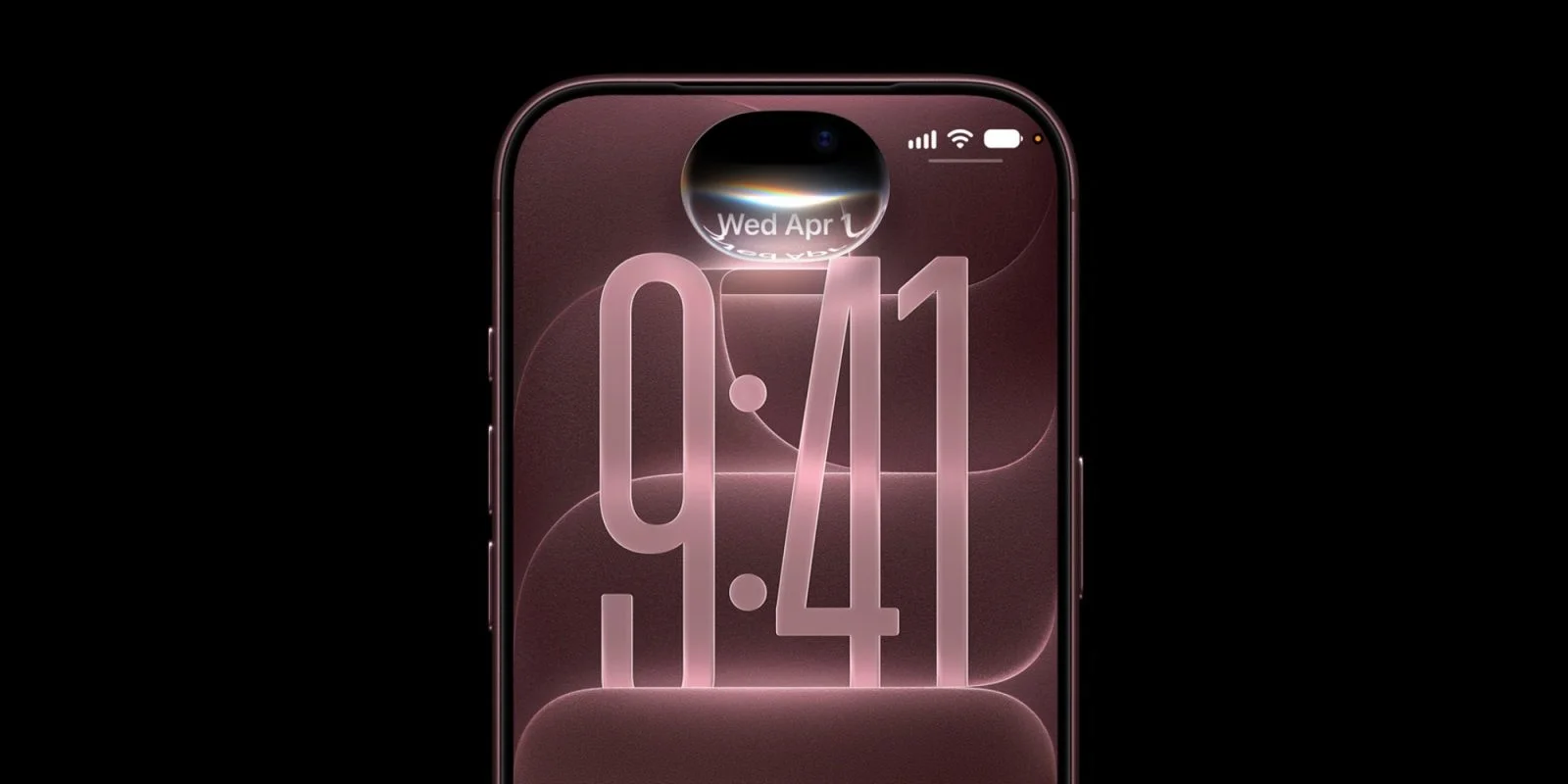
Apple has rolled out iOS 27, spotlighting a significant enhancement to Siri AI, which has been long awaited by users.
Siri AI Access Limited by Waitlist
The upgraded Siri AI aims to refine the voice assistant experience on compatible devices. However, interested users aren't getting immediate access; Apple is implementing a waitlist system for the rollout. This isn’t the first time Apple has embraced a waitlist strategy. The rollout of new features through a controlled access approach can create anticipation and excitement, a tactic that Apple is quite adept at. In truth, this method not only mitigates the risk of server overloads but also helps in managing user feedback more effectively as the features are incrementally tested.
To qualify for Siri AI, users must own a compatible iPhone and set their device language to English, among other criteria. Once iOS 27 is installed, the enrollment process for the waitlist is straightforward:
- Launch the Settings app
- Navigate to the Siri section
- Select ‘Try Siri AI (beta)’
- Follow the on-screen instructions to officially join the waitlist
The specifics of the waitlist are telling—Apple is deliberately selective. This approach mirrors the strategies used when iOS 18.1 was released, where limited access meant the firm could roll out features at a pace aligned with both user enthusiasm and technical stability. Keeping a cap on the user base allows for troubleshooting and improvements before a wider launch.
Accessing this new Siri AI feature through a waitlist begs several questions. How will it impact user base satisfaction? Will this create a divide between early adopters and those who have to wait? Apple’s customer base is used to nuances in feature releases, but lengthy waitlists can feel frustrating, especially in a landscape where competitors like Amazon and Google frequently introduce updates without similar constraints. Users often expect immediate engagement with new technology.
Technical Insights into Siri AI Upgrades
The core improvements within the Siri AI are said to enhance responsiveness and context understanding, key areas where previous iterations struggled. This upgrade aims to deliver a much more natural conversation flow, reducing the barriers between simple queries and complex tasks. Voice recognition technology is evolving rapidly, with advancements in machine learning and natural language processing (NLP) making it possible for AI systems to understand context better and provide more accurate responses.
In this upgraded system, machine learning algorithms likely play a substantial role. Similar systems typically harness vast amounts of data, enabling the AI to learn user preferences and voice patterns over time. This can make interactions with Siri feel increasingly personalized. Apple has invested heavily in enhancing its AI capabilities, arguably in response to fierce competition from alternatives like Google Assistant, which often leads in the accuracy and contextuality of responses.
Even as Apple moves forward, challenges remain. Improving a voice assistant's AI is complex and ongoing. For instance, while Siri might better grasp context, understanding regional accents and dialects poses continual challenges. The more distinct the user's speech, the greater the potential for miscommunication with the assistant. It's a balancing act between expansiveness of use and retaining quality control in understanding.
Comparing Siri AI to Competitors
When looking at the state of voice assistants, Apple's Siri doesn’t just need to compete with Google and Amazon; it also faces scrutiny from a growing number of startups focused on niche markets. By expanding its capabilities, Siri aims to maintain a foothold in a domain that is rapidly evolving. Google Assistant is widely recognized for its connectivity across devices and smart home integrations, which puts pressure on Apple to deliver comparable experiences.
Moreover, Amazon's Alexa has seen significant adoption in various devices, not just Echo speakers but also through partnerships with third-party manufacturers. Apple’s relative slowness in integration and accessibility to smart home technology could hinder Siri AI's potential if the upgrades aren’t compelling enough. Users want a digital assistant that proves both versatile and responsive—not just on their phones but across their entire tech ecosystem.
Implications for Users and the Industry
What this means for you, the user, is that while the waitlist can be frustrating, it does serve a purpose in ensuring that when you do get access to Siri AI, it’s a well-tested feature. As Apple pushes forward with this update, the expectation is that the user experience will finally align more closely with what consumers have long desired: an assistant that understands context, provides accurate information, and integrates smoothly with everyday tasks.
The broader implications extend to the industry as a whole. Apple's steps to enhance Siri could prompt competitors to accelerate their rollout of similar features, fostering a cycle of rapid improvements in AI-driven voice technologies. You're likely to see an uptick in features across various platforms as companies respond to this shift in consumer expectations. This competitive pressure is what drives innovation, albeit sometimes at the expense of cautiously crafted experiences.
As new features arrive, perhaps accompanied by growing user expectations, companies like Apple will need to stay vigilant in addressing not just technological advancements but also user satisfaction. Will this update adequately meet the needs of a user base that’s become accustomed to highly responsive AI? That remains to be seen.
Have you managed to start using the new Siri AI with iOS 27? Share your experiences in the comments below.
Discussion
Sign in to join the discussion.