Siri AI is now part of iOS 27, but access is limited to certain devices, language settings, age groups, and regions.
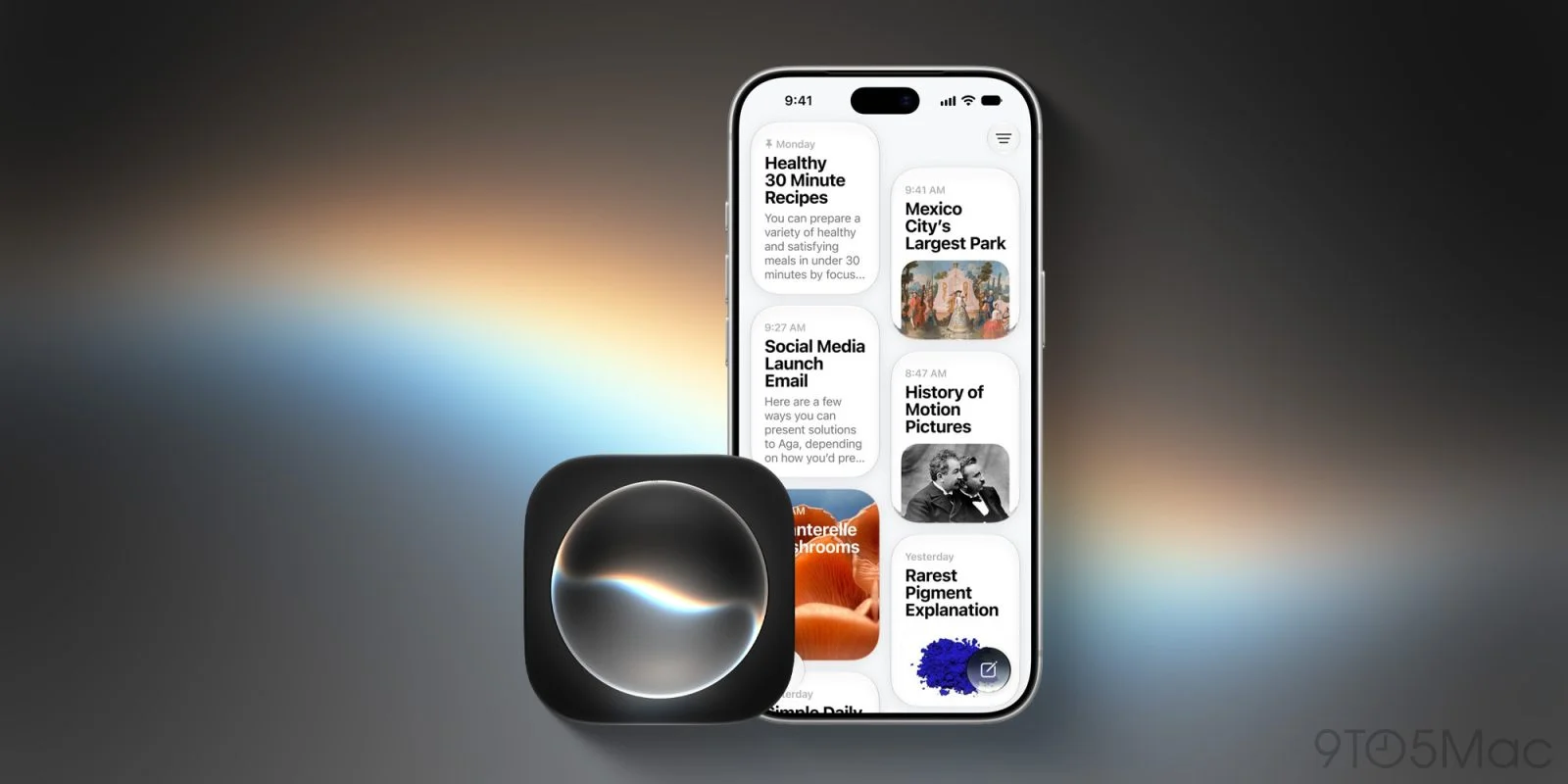
iOS 27 has officially launched, bringing Siri AI as a significant enhancement to Apple’s voice assistant. This addition reflects Apple’s ongoing commitment to integrating advanced artificial intelligence into its ecosystem. However, users must meet specific requirements to utilize this new feature. In an era where voice assistants are becoming more integral to daily tasks, how will this impact user adoption and satisfaction?
Supported Hardware
Siri AI is available exclusively on Apple Intelligence-compatible devices, starting with the iPhone 15 Pro and higher. This move restricts access, which could frustrate users who aren’t ready to upgrade. It’s more significant than it looks; while advanced features can elevate the user experience, limiting those capabilities to newer models risks alienating a loyal customer base still using well-functioning older devices. This is a common issue in the tech industry, where companies often push consumers to constantly upgrade by withholding features. Be mindful that not all features are accessible on older models; for instance, some advanced functionalities are limited to the iPhone 17 Pro and newer.
Mac users with Apple silicon also gain access to Siri AI, indicating Apple's alignment with its push towards ARM-based processors across its product line. iPads need to have an A17 Pro chip or later for full functionality. Additionally, any Apple Watch that supports watchOS 27 is compatible as well. Unfortunately, Siri AI won't be available on Apple TV or HomePod at this stage, which raises questions about its role in the home ecosystem. For many consumers, having a cohesive, cross-device experience is key, and missing out on that could lead to disappointment.
Language Settings
Currently, Siri AI operates only when the device language is set to English. This limitation not only narrows down the initial user base but can also affect global rollout strategies. In a world that's increasingly interconnected, language accessibility is a major factor in technology adoption. Apple plans to expand language support next month to include French, Japanese, Korean, Portuguese, and Spanish. This rollout is expected to coincide with the launch of iOS 27.1, scheduled for no later than October 23.
The immediate focus on English may be practical, but languages like Spanish or Chinese have massive speaker populations that can’t be overlooked. That said, Apple is clearly aware of the need to broaden its reach and seems committed to addressing this gap. But will it move fast enough? Users want comprehensive functionality, and swift adaptation to language preferences can be the difference between enthusiastic adoption and tepid interest.
Age Restrictions
Access to Siri AI is strictly limited to users aged 13 and above, with no exceptions made for parental permissions. This decision aims to bolster user privacy and safety standards, aligning with broader tech industry trends toward safeguarding young users. In a market where data privacy is increasingly scrutinized, Apple is attempting to position itself as a leader. But does this restriction go too far? Some might argue it unnecessarily limits functionality for younger users who could benefit from the assistant's capabilities with oversight.
In conjunction with this, iOS 27 introduces enhanced parental control options for child safety on devices. Apple seems focused on providing parents with tools to manage their child's digital interactions, a move that could appeal to family-oriented consumers. However, the balance between protection and usability is delicate. If you're working in this space, consider how these limitations might affect your approach to developing apps or services that cater to a younger demographic.
Regional Availability
The new Siri AI functionality is available globally, with the notable exception of the EU and China. Apple issued statements regarding these regions that signal both caution and regulatory challenges. In the EU, Apple stated it is “working hard to find a path forward that preserves its users’ privacy and security.” This is an ongoing narrative; as regulations evolve, tech companies frequently find themselves navigating a complex maze of compliance and user expectations.
- EU: “Apple is working hard to find a path forward that preserves its users’ privacy and security.”
- China: “Siri AI and other new Apple Intelligence features will not be available in China while Apple works through regulatory requirements.”
What this means for you as a consumer is that the Siri AI experience could be markedly different depending on where you live. Apple's challenges in these major markets might impact its overall performance and reputation, raising questions about localization efforts. If Apple can't adapt quickly enough to regional norms and legal frameworks, it might miss opportunities in burgeoning tech-savvy populations.
Implications and Future Outlook
The launch of Siri AI under iOS 27 raises significant questions about the future of Apple's voice assistant. The restrictions on hardware, language, age, and regional availability are barriers that could impact widespread adoption. This is a strategic move by Apple, but at what cost?
If these restrictions remain for the long haul, Apple could face a backlash from users yearning for a more inclusive approach. There's also the looming competition from other tech giants like Google and Amazon, who are continually refining their voice assistant capabilities and pushing out features that may not have such stringent limitations.
In the immediate term, you'll see buzz around the new capabilities of Siri AI. But as these limitations become apparent, user sentiment might shift. Will Apple respond with faster updates and broader accessibility? Only time will tell, but one thing's clear: in the race for AI relevance, every decision counts. (And this is the part most people overlook.)
Have you had a chance to try out Siri AI in iOS 27? Share your experiences in the comments section below.
Discussion
Sign in to join the discussion.