Florida's Attorney General is suing Chumba Casino and Stake for alleged violations of gambling law, seeking penalties and player restitution.
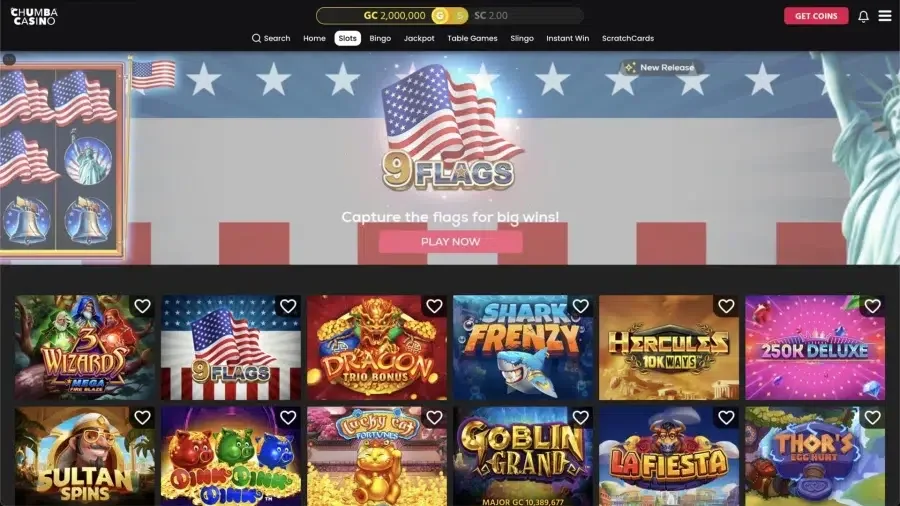
Florida's legal landscape is heating up as Attorney General James Uthmeier has initiated lawsuits against the operators of Chumba Casino, Global Poker, and Stake.us. These actions allege violations of state gambling laws through their sweepstakes casino platforms, jeopardizing not only their operations in Florida but also seeking financial restitution for players who may have incurred losses.
Florida's Objectives: Shut Down and Recover Losses
The lawsuits specifically target VGW, the company behind both Chumba Casino and Global Poker, as well as their affiliated payment processors. Another suit focuses on Stake and its various affiliates. The state’s legal strategy is explicitly designed to bar these online platforms from operating within Florida’s borders while pursuing civil penalties and reimbursement for affected players. This approach represents a calculated decision to wield state power against what it perceives as a growing threat to its regulatory framework.
Florida's attorney general is asking for penalties that could reach as much as $10,000 for each violation, with the amount jumping to $15,000 if the victim is a minor, senior, or disabled individual. However, these figures are currently requests rather than actual imposed fines, as the legal cases are still in their early stages and have yet to result in court-ordered outcomes like shutdowns or restitution of losses incurred by players. This detail can be quite significant; it showcases that while the state is taking a firm stance, the path to enforcement will likely be prolonged, filled with negotiations and legal challenges.
The inclusion of payment processors in the VGW lawsuit broadens the implications significantly. It suggests that Florida will expand its scrutiny beyond just the operators of these casinos and start examining intermediaries involved in financial transactions within this controversial market. A distinct enforcement effort in Florida has already underscored the critical role payment systems play in the ongoing struggle to regulate this growing arena, raising questions about where liability should rest in cases of legal compliance.
Legislative Attempts Preceding Litigation
Before these lawsuits emerged, Florida’s legislators had attempted to pass Senate Bill 1404 and House Bill 1467 in early 2026, aiming to impose an outright ban on sweepstakes casinos. Despite these efforts, both bills ultimately failed to secure passage. Uthmeier’s lawsuits now aim to achieve through the courts what lawmakers could not accomplish legislatively. This shift from legislative to judicial recourse highlights a frustration in the political arena regarding the state's capacity to regulate this complex issue effectively.
This situation isn’t unique to Florida; legal challenges against similar operations have appeared across other states as well. For instance, New York recently negotiated an $8 million settlement with VGW over allegations that the company operated illegal online gambling platforms disguised as sweepstakes. Although Florida’s lawsuits present a different set of circumstances, the outcomes could set a precedent for future state-enforced restrictions against online gambling enterprises, revealing broader implications for how jurisdictions manage gambling laws.
The Role of Dual Currencies
At the core of this controversial dispute are the two types of virtual currencies these casinos utilize: Gold Coins for no-risk play and Sweeps Coins, which can yield prizes. While operators insist that their model diverges from traditional gambling, state authorities are increasingly asserting that these redeemable prizes align with the definitions established in gambling statutes. This contention reflects the more significant tensions between regulatory definitions and the rapidly evolving business models that technology fosters.
This issue is particularly pressing given the rapid growth of the social sweepstakes casino market, which was valued at approximately $10.2 billion in 2026 and is projected to soar to around $14.3 billion by 2030. With over 400 independent sites actively offering such services, the sheer scale of the market facing scrutiny from state enforcement cannot be overstated. These figures illustrate not just a booming sector but also highlight why regulators are scrambling to assert authority over it—growing profits naturally attract more regulatory attention.
Advertising Concerns and User Access
Uthmeier's focus doesn’t stop at operational legality; he also has his sights on advertising strategies employed by these platforms. Recent reports indicate that he’s reached out to major advertising platforms like Google, Meta, and TikTok, urging them to restrict promotional content for sweepstakes casinos from targeting Floridians. The deadline for a response from these platforms is looming later this month. However, it’s crucial to keep in mind that these inquiries do not equate to legal judgments; they’re more of a preemptive strike to assert regulatory controls in an area that has become increasingly volatile.
In the meantime, players in Florida still access platforms such as Stake, Chumba Casino, Global Poker, and LuckyLand Casino. If you’re working in this space, this is critical to recognize—the ongoing litigation will ultimately determine whether this status quo changes or remains intact. The future of these operators in Florida hangs on the court decisions expected to unfold toward the latter part of 2027.
Implications for the Future
The unfolding events in Florida present a significant moment in the broader discussion around online gambling regulation. As states navigate their legal frameworks, this case could serve as a litmus test for how other jurisdictions might respond to similar challenges. For operators, the lesson here is stark: navigating the legal and regulatory minefield requires more than just compliance; it necessitates foresight and adaptability to stay ahead of potential legal actions. The response from major advertising platforms will likely set precedence for how aggressive states might tackle online gambling concerns in the future, shaping an ongoing dialogue about consumer rights and regulatory authority.
Discussion
Sign in to join the discussion.