In Q3 2026, Apple’s Mac shipments fell by 11%, yet its market share increased as the global PC market faced a significant downturn.
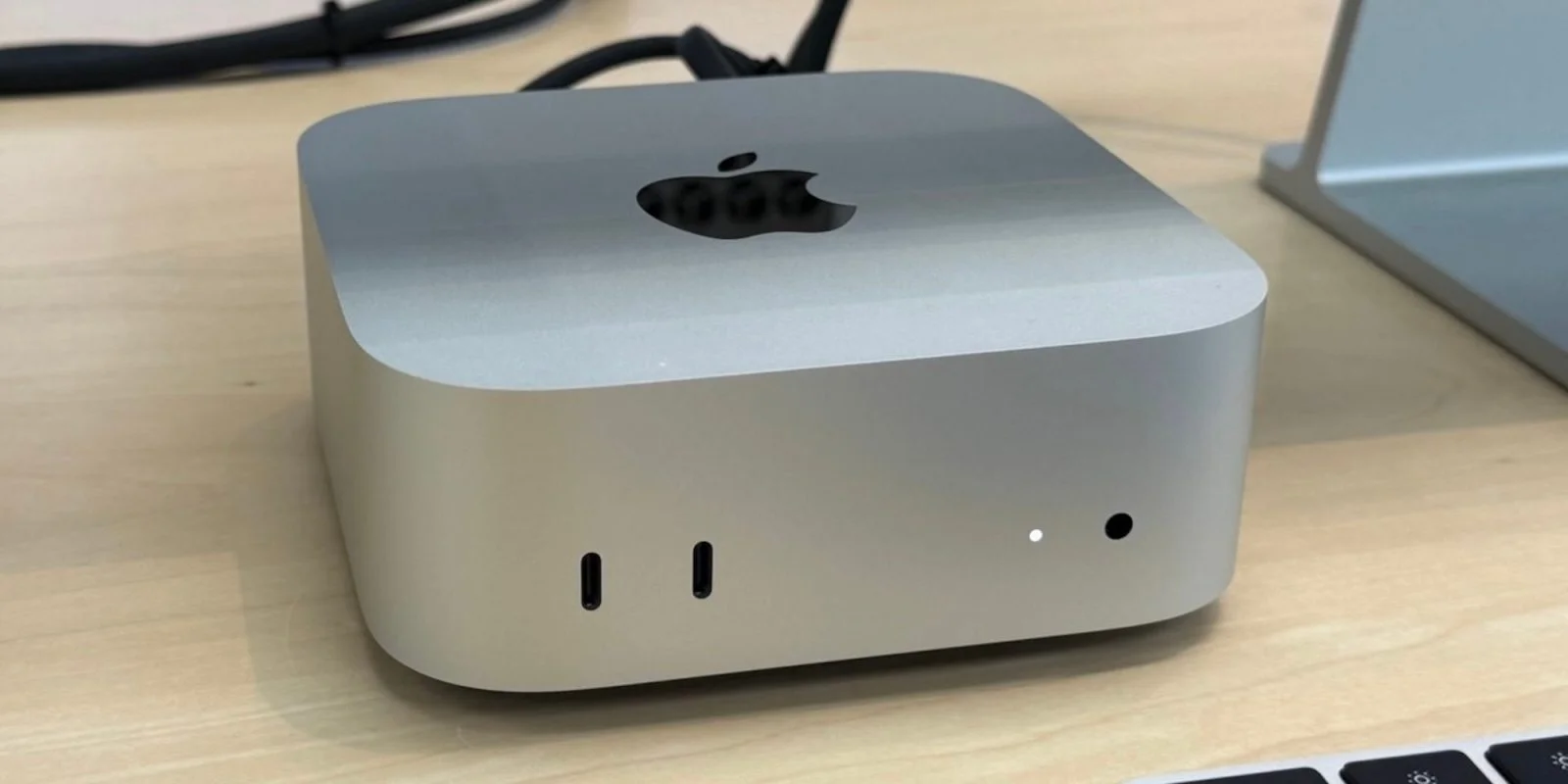
Despite an 11% decline in Mac shipments in Q3 2026, Apple managed to boost its market share from 8.5% to 9.5%. This stands in stark contrast to a broader market drop, where global PC shipments plummeted by 20.1%, according to a recent report from IDC.
Apple's Resilience Amid Market Turbulence
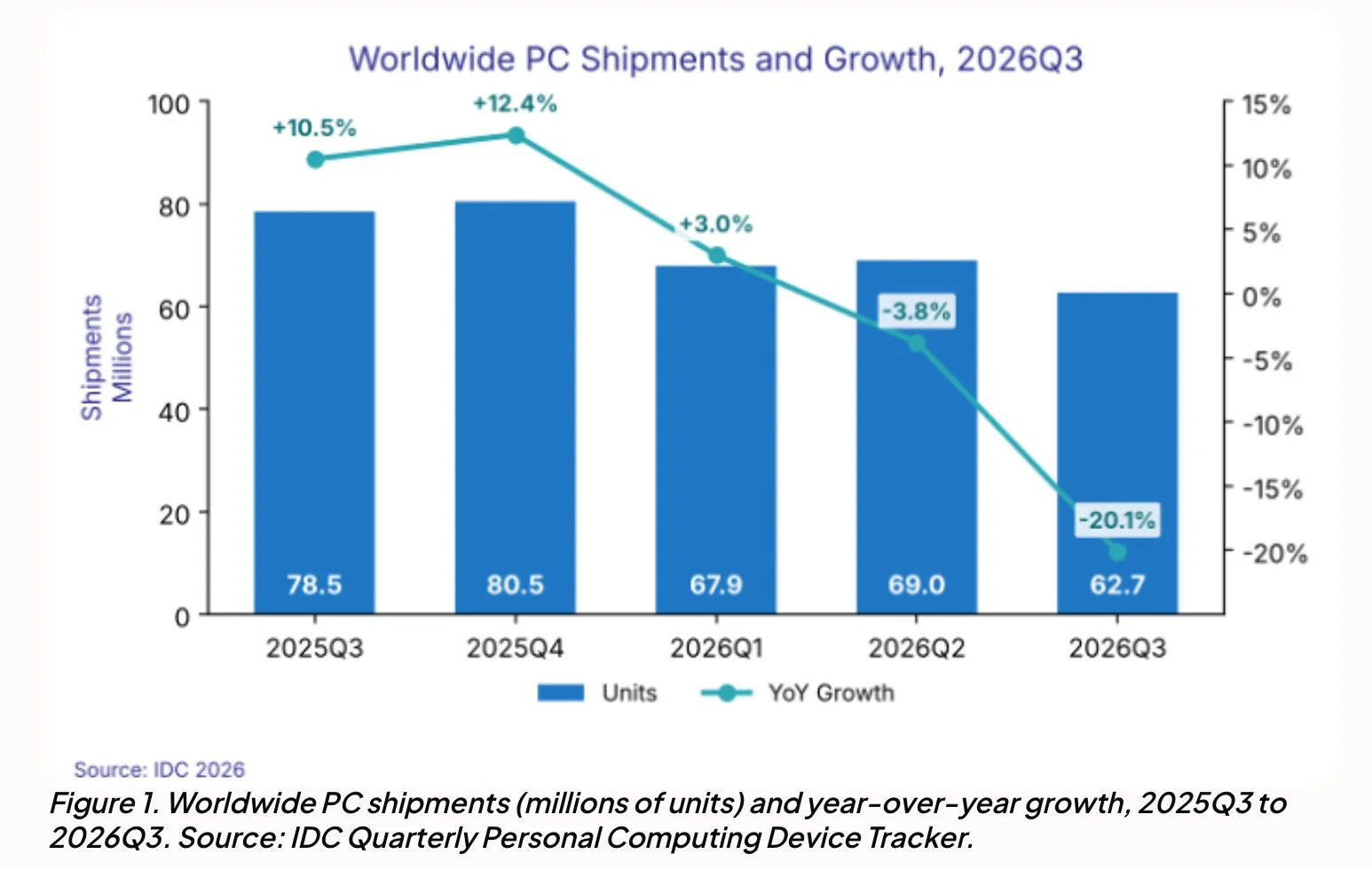
IDC's preliminary findings indicate that Apple shipped 5.9 million Macs during the third quarter of 2026, a decrease from 6.7 million in the same period last year. While this 800,000-unit reduction is notable, it’s dwarfed by the overall downturn in the PC marketplace, which recorded shipments of only 62.7 million units—a steep decrease from the previous year. This performance positions Apple as a stark outlier in a sphere where many competitors are struggling to maintain sales.
Apple’s ability to increase market share amid such a significant decline in overall shipments is worthy of examination. Traditionally, Apple products have appealed to a niche market that values quality and design over sheer volume. In times of economic uncertainty, this strong brand loyalty often outweighs customer hesitations about price. This situation, coupled with Apple's proactive strategy to diversify its product offerings, contributes to its ability to capture a greater share of a shrinking pie.
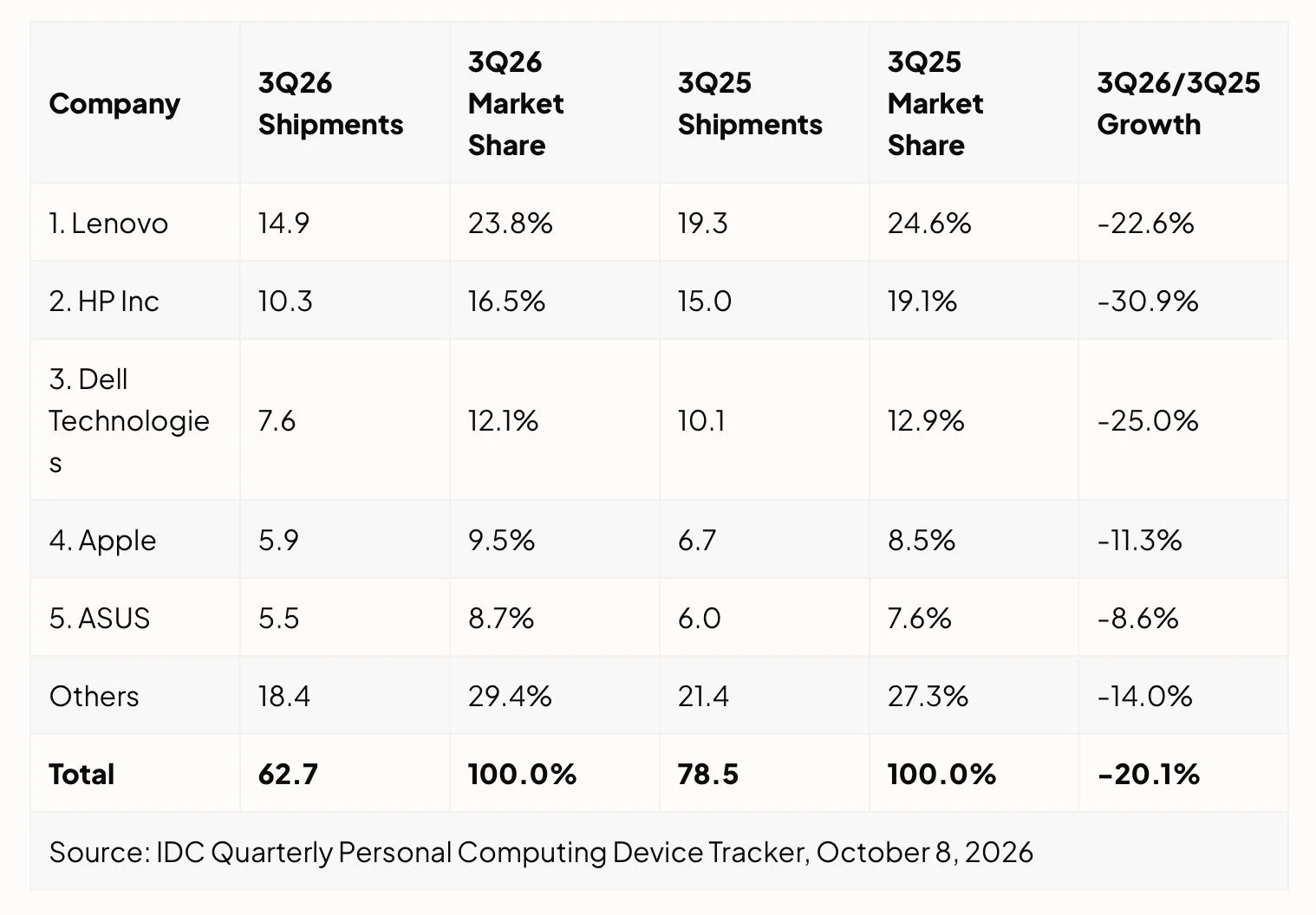
This environment allowed Apple to secure the fourth position in the global PC rankings, trailing behind Lenovo, which shipped the most units at 14.9 million, capturing 23.8% of the market. HP and Dell followed with 10.3 million (16.5%) and 7.6 million (12.1%) shipments, respectively. It’s interesting to see the competitive dynamics play out here. Lenovo has remained a juggernaut thanks to its wide range of models catering to both consumers and businesses, while Apple’s premium positioning leaves it in a different competitive segment.
Among the leading vendors, HP faced the steepest decline, with a staggering 30.9% drop in shipments. It raises questions about HP's inventory management and consumer engagement strategies. Conversely, ASUS managed a relatively smaller decline, shipping 5.5 million units, a drop of only 8.6% year-over-year, which gave it an 8.7% market share. This relative stability indicates that not all brands are equally susceptible to macroeconomic pressures, underscoring the necessity for adaptive strategies in turbulent times.
According to IDC, manufacturers and retailers stocked inventory in anticipation of price increases earlier in the year, dampening demand in Q3. This situation, compounded by ongoing supply chain issues, led to a quarter that lacked its usual seasonal boost, resulting in shipments that fell short of both Q2 and the prior year.
This point about inventory management is pivotal. If you’re working in this space, you’ll likely recognize the balancing act between stocking sufficiently to meet demand and avoiding the pitfalls of overstocking, which creates not just immediate cash flow issues but also long-term relational strains with retailers and suppliers. Apple’s strategy here appears more conservative, allowing it to avoid the pitfalls that ensnared competitors like HP.
Looking forward, IDC projects that lingering concerns over surplus inventory and softening demand could result in future promotions, although pricing is likely to remain elevated compared to last year. It’s a conundrum—if companies cut prices too aggressively, they risk devaluing their brands and products. Yet, without incentives, they face the danger of slowing sales even further. It’s a tightrope walk, particularly when considering the economic climate which has shown signs of weakness since the previous quarter. That's not exactly fertile ground for retail growth in the upcoming seasons.
Implications and Future Outlook
The implications here are significant for all stakeholders. For consumers, this market dynamic could lead to better deals if companies push to offload excess inventory. However, rising prices coupled with promotional strategies could confuse buyers, leaving them uncertain about when to buy. Additionally, this situation highlights the precarious nature of the PC market, where consumer and business demand can fluctuate dramatically based on macroeconomic trends.
What this means for you, the reader, is an increasingly competitive environment moving into the next year. Companies that prioritize customer engagement, effective inventory management, and pricing strategies will likely surface stronger. As emerging technologies like AI and cloud computing continue to shape market trends, those who adapt quickly will have the best chance at thriving. More companies might follow Apple's lead, prioritizing brand loyalty while navigating economic challenges. But will that strategy be sustainable? Only time will tell.
For a deeper dive into IDC's analysis, click here.
Discussion
Sign in to join the discussion.