Apple plans to allow clipboard sharing between iPhones and Windows PCs, focusing initially on the EU market following a Microsoft request.
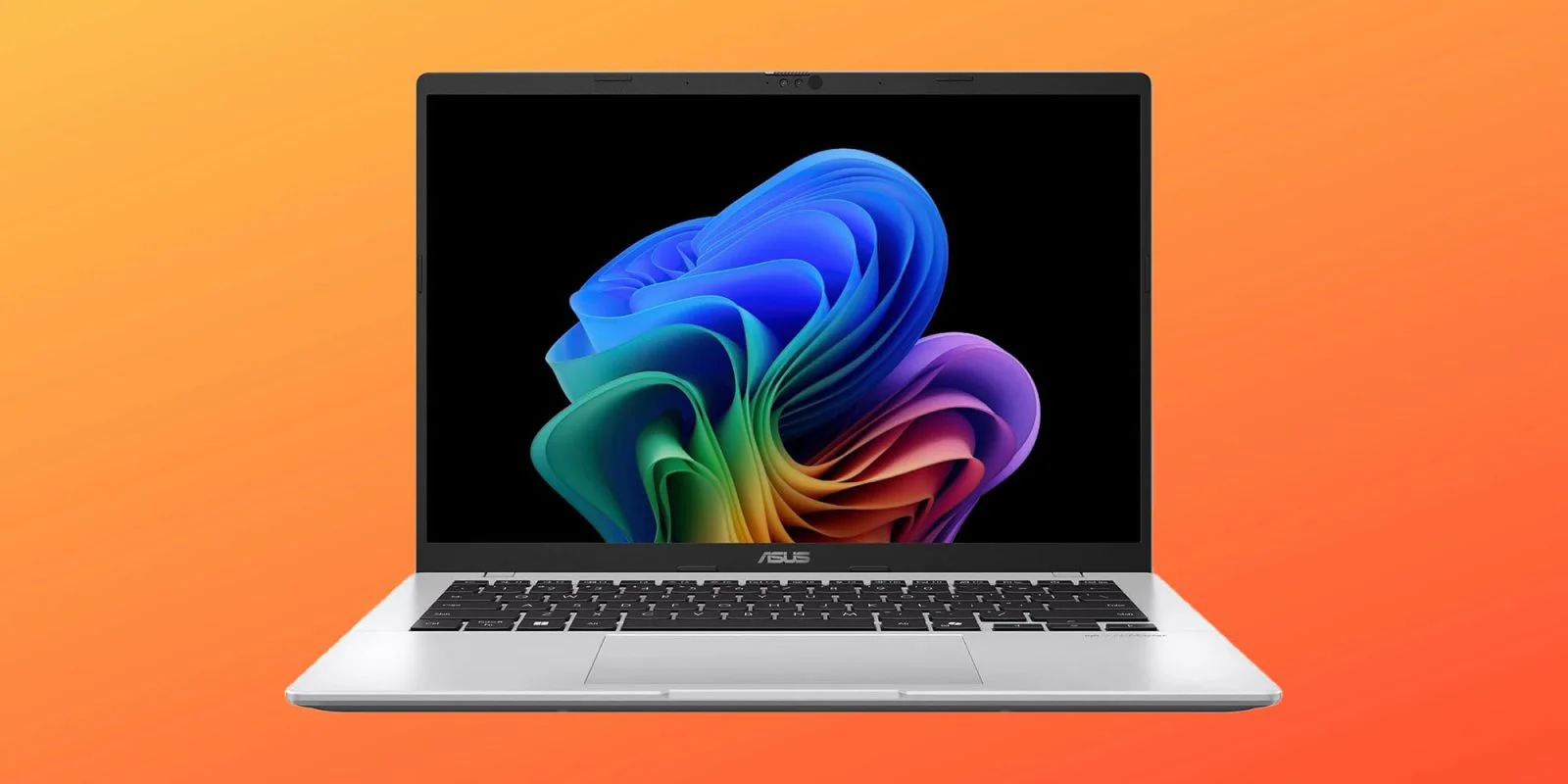
Apple is set to enable clipboard sharing between iPhones and Windows PCs, a move aimed at enhancing interoperability and productivity for users. This decision follows a formal request from Microsoft to the European Union, emphasizing the need for cross-device functionality.
Collaborative Efforts in Interoperability
According to MacRumors, Apple's updated information on its Interoperability Requests in the EU page highlights the company's agreement to develop a solution that would enable users to copy and paste items between their iPhones and Windows devices. This initiative addresses Microsoft’s concerns outlined in their request received on March 25, 2026, which identified the lack of a comparable feature to Apple's existing Universal Clipboard. This isn't just a technical improvement; it’s a response to years of fragmentation that have existed between Apple and Windows ecosystems.
Details of the Proposed Feature
Microsoft's request emphasizes persistent clipboard access to facilitate continuous syncing between an iPhone and a Windows PC. The company proposed three key use cases:
- Users should be able to copy text and media on their iPhone and paste directly onto their Windows PC, and vice versa.
- Streamlined productivity workflows without needing to actively engage an app for data transfer.
- Clipboard synchronization should function as an ongoing capability rather than requiring manual intervention.
This level of functionality aligns with contemporary user expectations. Many mobile and desktop operating systems already incorporate some form of cloud-based clipboard syncing, which has become a standard feature for modern productivity. It’s a logical next step for Apple, especially given that users often juggle both iOS and Windows devices. What this means for you is a less clunky and more integrated experience when switching between platforms.
The Development Journey
Apple's response dated April 27 indicated an initial assessment of the request, moving the proposal forward in their interoperability process. However, Apple cautioned that fulfilling this request might be challenging, citing potential impacts on operating system integrity and intellectual property rights. This express concern highlights a crucial tension: while users want more convenience, companies must also be mindful of the security and integrity of their platforms. Further updates were promised by June 26.
Upon reaching that date, Apple confirmed plans to create a solution that adheres to existing frameworks such as Accessory Notifications and Accessory Live Activities, both introduced in iOS 16.5. The impending system will notify compatible extensions when items are copied to the clipboard, allowing for content sharing through the Accessory Transport Extension framework. This development hints at Apple's consistent focus on user experience tied tightly to existing technology rather than creating disruptive new systems.
Framework and User Consent Requirements
For Microsoft to implement this feature, it will utilize the AccessorySetupKit, a similar framework that has faced scrutiny from other tech companies like Meta in relation to interoperability requests. This moves the conversation beyond pure functionality and dips into privacy concerns. The approach will require users to consent to share clipboard information with a paired Windows device, ensuring a level of control over the sharing functionality. This layer of user consent not only reflects Apple's ongoing commitment to user privacy but also poses the question: how many users will embrace this feature or opt out due to concerns over data sharing?
Timeline for Release
Apple has characterized this initiative as a considerable engineering effort, projecting its completion by fall 2027. The rollout is expected to commence with a developer beta before a full public release, likely coinciding with a major iOS update, although the exact version has yet to be confirmed. This timeline, while ambitious, signals that Apple is taking a measured approach, likely balancing technical limitations with user demand.
This new capability marks a significant step toward enhancing cross-platform usability, aligning Apple closer to Microsoft's requests for a more interconnected user experience. However, it raises questions about the long-term implications of device interoperability. Will this encourage more collaborative features among other tech giants, or will it merely be a temporary bridge between two competing ecosystems?
Implications and Future Outlook
The significance of Apple's decision to support clipboard sharing can't be overstated. As the tech space continues to evolve with more users operating across multiple platforms, this step could redefine how we think about device interaction. The broader implications here involve both companies' roles in shaping user workflows. They may need to reconsider their approaches to exclusivity in product capabilities.
And yet, true interoperability remains a distant dream. While this feature could enhance productivity for many users, it’s clear that challenges still exist. The pressure for seamless integration could provoke further scrutiny over data privacy as companies handle more user information. If you're working in this space, keeping an eye on the evolution of these features will be important, especially as they reflect shifting user needs and technological capabilities. This is part of an ongoing narrative where user demand increasingly drives corporate strategy.
Discussion
Sign in to join the discussion.