New York is suing Kalshi for operating an unlicensed prediction market, alleging violations of state gambling laws and seeking extensive penalties.
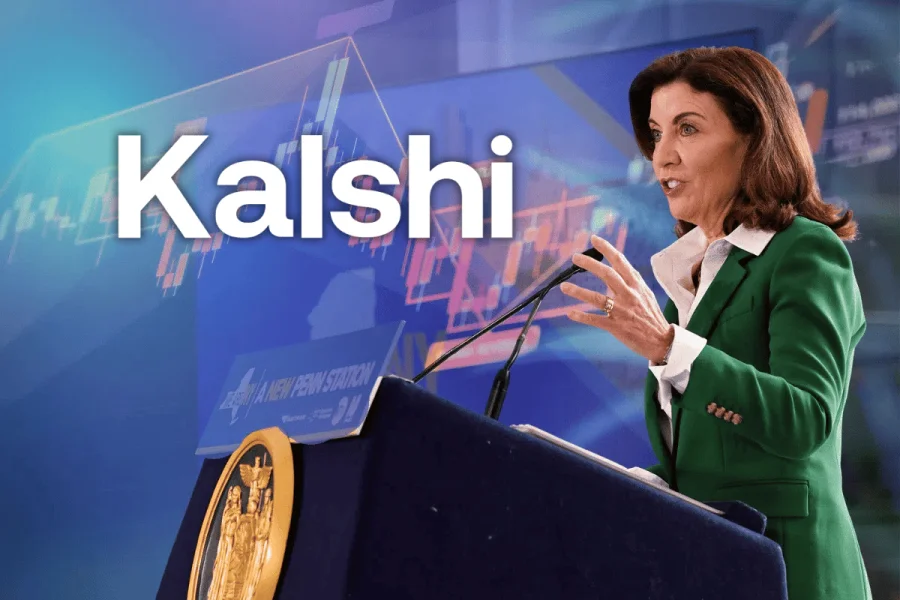

New York's legal landscape for prediction markets is shifting significantly as Governor Kathy Hochul and Attorney General Letitia James announce a lawsuit against Kalshi. Filed on July 31, 2026, the suit claims that Kalshi, a federally regulated prediction market operator, is conducting illegal gambling by offering contracts on sports, elections, and other events without a proper gaming license in New York.
This legal battle marks a substantial escalation in how state authorities are addressing the unregulated nature of prediction markets. The lawsuit, brought under Executive Law § 63(12), seeks to impose a permanent ban on Kalshi's operations within the state. It also calls for the company to forfeit its alleged profits, reimburse customers, provide detailed records of wagers, and face hefty civil penalties, potentially amounting to three times its alleged illegal earnings.
Much of the focus on this lawsuit stems from ongoing concerns surrounding the integrity of prediction markets. In April, Governor Hochul signed an executive order prohibiting state employees from leveraging confidential governmental information for any trading activities in prediction markets. This move was primarily designed to safeguard against potential misuse of insider knowledge, thereby enhancing public trust as these platforms gain popularity.
According to Hochul, Kalshi has systematically disregarded New York’s gaming regulations. She stated, “This choice has consequences, and working closely with Attorney General James, New York is taking action to stop this illegal behavior and bring Kalshi into compliance, because no company is above the law.” James reinforced these sentiments, emphasizing that the platform cannot simply rebrand itself as a prediction market to bypass existing gambling laws designed to protect consumers and vulnerable populations.
Allegations Against Kalshi: Operating Without a License
The petition reveals that Kalshi has been active in the prediction market space since its launch in 2021, with its sports-related offerings debuting in January 2025. The state's claim asserts that the contracts offered on Kalshi's platform are tantamount to illegal gambling as they involve real financial stakes on uncertain future events but occur without a state gaming license.
The petition further highlights Kalshi's substantial economic footprint, describing it as a multibillion-dollar enterprise operating outside New York’s regulatory framework. Reports indicate that the company has achieved a staggering $22 billion valuation, with annual transaction volumes reaching $178 billion. Such figures raise important questions about the implications of operating under the guise of ‘event contracts’ while engaging in activities fundamentally associated with gambling.
The state’s legal documents specify that Kalshi has breached numerous provisions of New York law, including those that restrict unauthorized gambling, as well as violations of the federal Wire Act. With Kalshi’s continuation of its operations deemed illegal, the state's request for a permanent halt is increasingly urgent.
The Attorney General’s office argues this case represents repeated violations of New York's strict regulations, exemplified by their pursuit of immediate court intervention to prevent further harm to the public. Kalshi’s alleged defiance of earlier enforcement actions raises concerns about its commitment to compliance.
Continued Non-Compliance and Legal Challenges
Legal filings indicate that New York has evidenced persistent violations of its gambling laws, highlighting Kalshi's failure to adhere to a cease-and-desist order issued by the New York State Gaming Commission in October 2025. Acknowledging the ongoing operation despite regulatory warnings, Investor Protection Bureau Chief Shamiso Maswoswe stated, “Respondent continues to operate its gambling platform from New York,” stressing the immediate need for rectification to protect consumers.
This proposed temporary restraining order seeks to impose a complete prohibition on Kalshi from offering any contracts tied to sports, elections, or similar events pending resolution of the lawsuit. The order would also enforce age restrictions for bettors and ban advertising for Kalshi's platform while legal proceedings continue. Overall, the state estimates that Kalshi's actions merit approximately $36 billion in restitution and related monetary relief, alongside extensive statutory penalties.
Wider Implications for Prediction Markets
The lawsuit encapsulates a broader trend of increasing regulatory scrutiny regarding prediction markets in New York. The administration's earlier executive actions established stricter guidelines designed to mitigate risks associated with insider betting. Hochul’s comments reflect a heightened awareness of how unregulated platforms may thrive in opacity, and they mirror the administration's commitment to ensuring ethical practices among public employees.
In a related legislative effort, state Senator Joseph Addabbo Jr. is drafting proposals to construct a regulated framework for prediction markets in New York. This proactive measure aims to establish clear guidelines rather than leaving prediction market activities vulnerable to ambiguity or unprincipled operators. The multifaceted approach to regulating this developing field reveals a commitment to uphold standards while allowing responsible innovation.
In sum, New York’s confrontation with Kalshi showcases the balancing act between fostering innovation in emerging financial technologies and upholding public interests through robust regulatory frameworks. As the legal proceedings unfold, the outcomes will likely set precedents for how prediction markets function within state borders.
Featured image: Marc A. Hermann / MTA / CC BY 2.0 / Canva / Kalshi
The post New York Takes Legal Action Against Kalshi, Challenging Its Prediction Market Operations appeared first on ReadWrite.
Discussion
Sign in to join the discussion.