The CFTC is redefining the classification of prediction markets, setting the stage for a significant jurisdictional clash with state authorities.

The Commodity Futures Trading Commission (CFTC) has recently taken steps to delineate the federal authority over prediction markets. These measures aim to clarify which market contracts fall under federal derivatives regulations and which remain under the state gambling purview.
At the heart of this initiative is a proposal to adapt the definition of a swap to encompass contracts linked to various events—cultural, weather-related, political, and sports-oriented. The CFTC argues that classifying these as swaps aligns with how they're commonly perceived in trading environments, potentially removing ambiguity regarding their legal classification.
Implications of Federal and State Jurisdiction
This is more than a technical regulation shift; it's a vital legal distinction. The CFTC insists that these event contracts are under its exclusive oversight as commodity derivatives. On the flip side, states maintain that these prediction markets fit within their jurisdiction as gambling activities. If the CFTC’s reclassification is established, it may strengthen federal control, but it won't definitively resolve whether states can enforce their gambling laws on federally regulated exchanges.
Currently, this issue is not just theoretical—it's playing out in the courts. The divide between the Third and Ninth Circuit Courts of Appeals on whether event contracts meet the swap criteria has created uncertainty for prediction-market platforms such as Kalshi and Polymarket, embroiled in legal battles with state regulators.
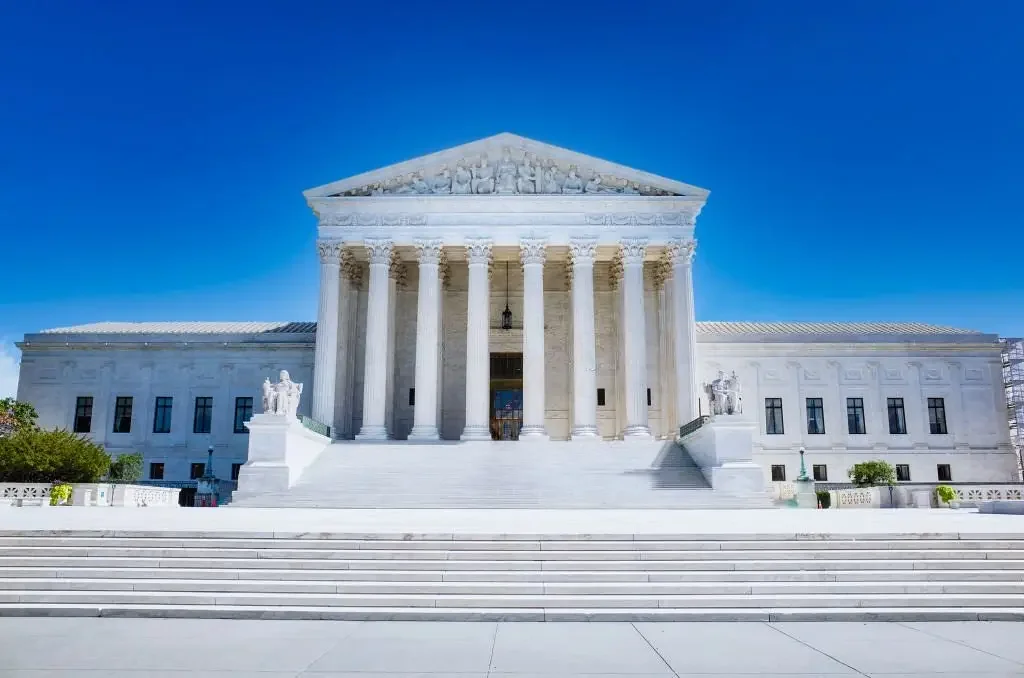
The Supreme Court is being petitioned by New Jersey in a case involving Kalshi, with gaming regulators from 39 states and the District of Columbia supporting NJ’s case alongside the NFL. This legal inquiry provides a dual route for regulatory clarity: while the CFTC aims to formalize its interpretation through regulation, the Supreme Court's involvement may settle broader questions regarding authority.
Legal Perspectives from States and the NFL
The NFL has voiced its support for New Jersey's Supreme Court appeal, arguing that states are better equipped to manage sports-related contract oversight given the complex regulatory environment. Their legal team has flagged concerns that, without a decisive court ruling, operators might exploit the regulatory differences, jeopardizing consumer protection and the integrity of sports.
The NFL’s position underscores the real-world implications of this jurisdictional tussle, as states assert their right to oversee prediction-market products, while the CFTC advocates for the characterization of these contracts as federally regulated derivatives. The tension reflects a larger regulatory conflict that requires a more comprehensive resolution.
These proposed measures explicitly distinguish between contracts deemed as swaps and traditional gambling products excluded from federal oversight. The delineation may influence how prediction-market operators design their services, and how they defend their operations against potential state regulations, but it doesn't settle the overarching issue of state authority over federally regulated exchanges. The ongoing deliberation revolves not just around classification but also the extent of federal jurisdiction.
Next Steps: Comment Periods and Supreme Court Review
The CFTC's next move involves concluding the 30-day comment periods associated with both measures, allowing for public input that could inform any revisions to the proposals. Meanwhile, the interim rule concerning gambling exclusions will take effect once published in the Federal Register.
On another front, the Supreme Court's decision on whether to hear New Jersey's petition stands to shape the future of prediction-market regulation. The CFTC's desire to solidify its rules regarding event contracts is set against a backdrop of ongoing litigation that will ultimately clarify the relationship between federal laws and state gambling regulations.
This dual focus—regulatory clarification from the CFTC and legal adjudication by the Supreme Court—marks a significant juncture in the future of prediction markets, with potential ramifications on both the regulatory framework and market operations.
Discussion
Sign in to join the discussion.