Apple's Upgrade program mandates users connect with select carriers, highlighting strategic partnerships and fraud prevention measures.
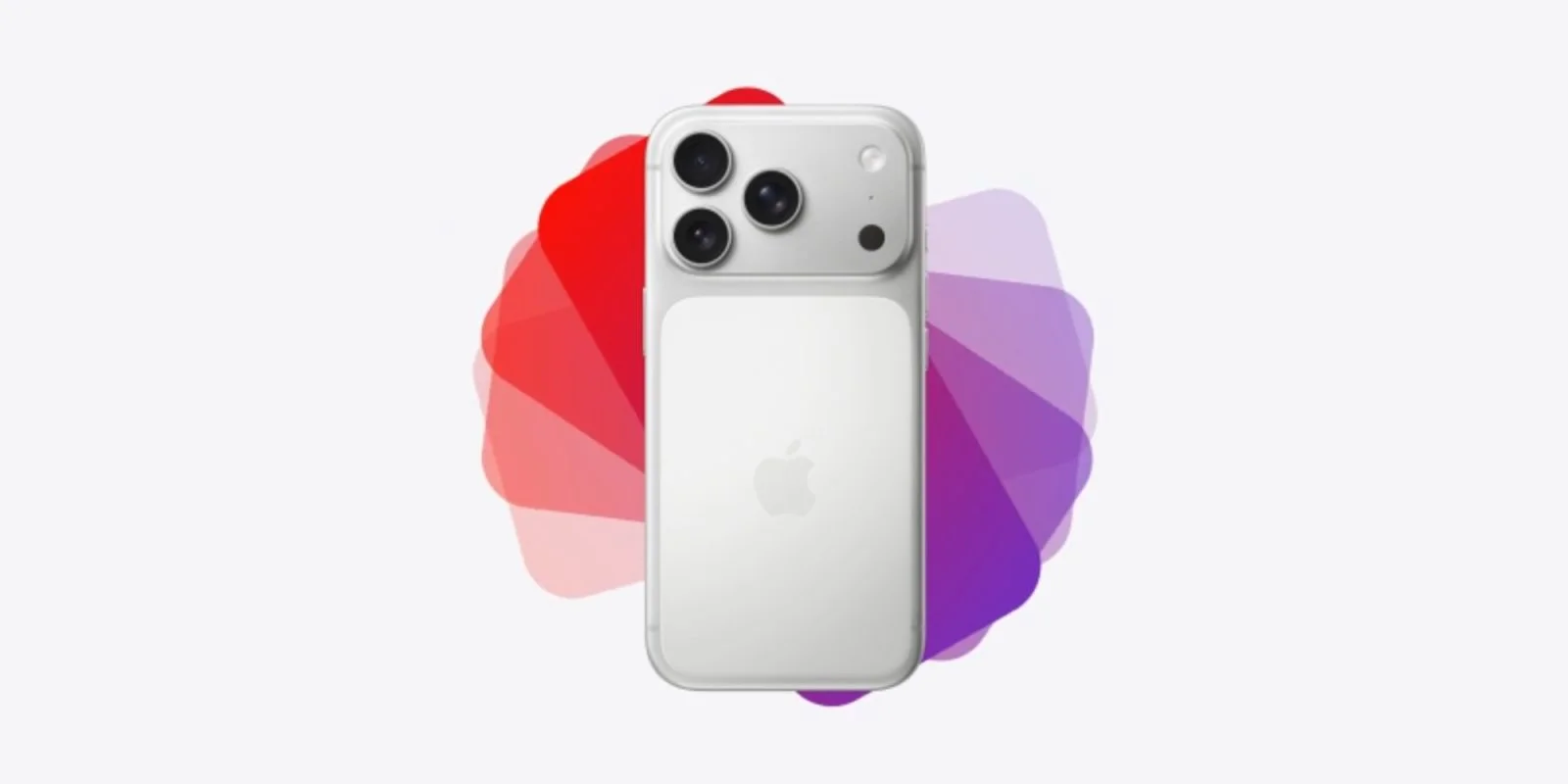
Apple's recent Upgrade program has introduced a notable condition: users must connect to either AT&T, T-Mobile, or Verizon upon enrolling. This requirement stands out as a key aspect of Apple's strategy in the U.S. market. As smartphone leasing and upgrading programs become increasingly prevalent, Apple’s decision reflects a calculated approach to bolster its relationships with major carriers while positioning itself favorably in a competitive landscape.
The Rationale Behind Carrier Ties
These partnerships involve substantial monetary agreements, reportedly worth “hundreds of millions of dollars.” These deals are not just about support; they're about creating an ecosystem where both Apple and the carriers benefit. When a customer leases an iPhone through this program, Apple effectively ties the device to one of the three major networks, ensuring these companies remain crucial partners. This strategy is a savvy move by Apple to secure a steady stream of income from these carriers while also promoting their role as key players in the U.S. telecommunications market.
The former employee elaborated that this arrangement provides visibility for the carriers through prominent branding on Apple’s marketing materials, reinforcing their roles as primary partners. Apple doesn't just want to sell devices; it wants to create comprehensive user experiences that require a solid foundation of carrier support. The visibility amplifies brand recognition while sending a clear message to smaller regional carriers to innovate and compete effectively. If you're working in this space, understanding how these intricate relationships shape the product experience is critical.
“The logos are more visible because Apple is effectively selling a package deal to its most significant partners,” they explained.
Fraud prevention also plays a crucial role in this decision. As noted by another former Apple retail employee, the introduction of carrier financing opened the floodgates for fraudulent activities related to iPhone sales. These illegal transactions surged at Apple Stores, prompting Apple to implement stricter measures to mitigate risks. This brings to light an issue that not only affects corporate finances but also tarnishes customer trust. It's a delicate balance — Apple has to protect its revenue while ensuring legitimate customers have a smooth purchasing experience.
“While the activation requirement has its downsides, it’s far better than having no checks at all; the carriers bore the cost of substantial losses from the fraud,” the former employee stated.
It's important to understand that while users must initially connect to AT&T, T-Mobile, or Verizon to enroll in the Upgrade program, the leased iPhone remains unlocked. Apple clarifies, “To lease an iPhone, you must select an eligible carrier (but cannot use a prepaid plan). A leased iPhone is always unlocked, allowing for carrier switching, subject to the terms of the new carrier.” This unlocked status is somewhat rare in carrier-specific agreements and serves as a safety net for consumers who might not want to be tied down to a single carrier. This feature acknowledges the preferences of many users who value flexibility in their mobile service choices.
There's a fine line Apple walks when implementing these strategies. On one hand, it strengthens ties with major carriers, securing vital revenue streams; on the other, it risks alienating consumers who may not like being narrowed down to just three options as they explore leasing. Consumer backlash, however unlikely, could prompt Apple to reconsider its approach if a significant number of users express dissatisfaction. This balance of power in the telecom-corporate dynamic is frustratingly delicate.
Implications and Future Outlook
What does this all mean for consumers and the industry at large? Firstly, Apple’s strategy of enforcing carrier connections speaks volumes about the increasing interdependence between device manufacturers and network providers. As carriers face pressure to streamline and modernize their service offerings, an alliance with a market leader like Apple could spur innovations or improvements that benefit end-users in the long run. But that’s not a given, and consumers must tread carefully.
Also, the lease requirement could signal a shifting tide in how mobile devices are sold and financed. If other manufacturers follow Apple’s lead, we could see a future where exclusive deals with major carriers become the norm, potentially limiting consumer choices. This shift might not be universally welcomed, particularly among those who prioritize independence from carrier contracts.
For those curious about the intricacies of these partnerships and their implications, Gruber's full analysis at Daring Fireball provides a more detailed exploration. Understanding these connections will be essential as the industry continues to evolve. Be prepared for ongoing discussions about the balance between corporate partnership benefits and consumer freedoms.
Discussion
Sign in to join the discussion.