Wikipedia's latest iOS update brings a playful widget that randomly serves articles, enhancing your quest for knowledge directly from your Home Screen.
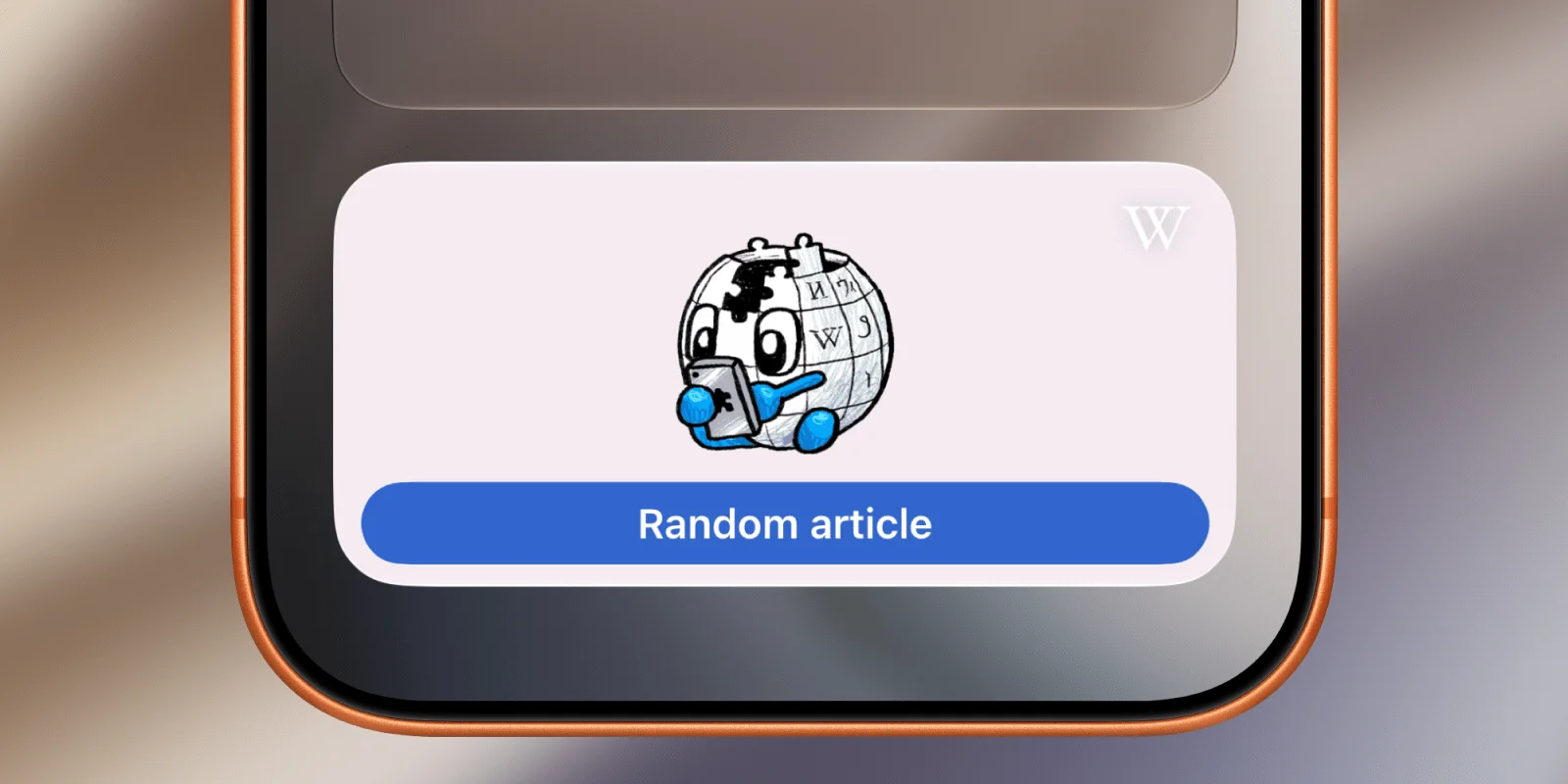
If you're an avid Wikipedia user, there's an exciting new feature to brighten your browsing experience: the random articles widget for iOS devices. Introduced in the latest update to the Wikipedia app, this addition not only changes how you access content, but also enriches the overall experience of engaging with one of the world's largest and most comprehensive databases of knowledge.
Experience the New Widget
This recent update introduces a widget that you can place on your iPhone or iPad Home Screen, available in both small and medium sizes. While widgets have become a standard feature on smartphones, Wikipedia's whimsical design adds a fresh twist. Complemented by a friendly mascot, the widget aims to engage users and invite them to explore the vast troves of information available on the platform.
Once you tap the widget, it transports you into a randomly selected article, kicking off a journey of discovery. This isn’t just a feature — it's a playful approach to learning, encouraging users to browse topics they might not normally search for. Whether you’re interested in obscure historical events or scientific breakthroughs, Wikipedia’s randomizer ensures you'll stumble upon content that broadens your horizons. But the adventure doesn't stop there; an integrated randomizer button keeps the experience lively. Instead of returning to the widget, tapping this button generates a new article instantly, letting you dive deeper into a myriad of topics.
Just remember, it's easy to lose track of time while exploring! Wikipedia offers endless lanes of knowledge. Previously, the platform added a trivia game centered on historical facts, further enriching its content and providing entertaining ways to engage with information. The new widget complements that experience, transforming casual web browsing into a structured — yet flexible — exploration of knowledge.
Accessing this fun new widget is straightforward. You can find it in the latest Wikipedia app update for iPhone and iPad. If you're working in this space, it's essential to recognize how these updates not only affect user engagement but also address the evolving needs of mobile users.
Adding Value to Information Exploration
The introduction of the random articles widget speaks to a larger trend in how technology can facilitate more dynamic ways to consume content. Gone are the days when users would only search for specific articles. Now, organizations like Wikipedia are harnessing design and interactivity to keep users engaged. By encouraging people to explore unexpected articles, the feature integrates passive browsing with active learning.
Consider the implications this has for educational purposes. Students and lifelong learners alike can benefit from serendipitous encounters with new information. This kind of exploratory learning could enhance critical thinking and broaden perspectives, which is especially vital in an age where misinformation is rampant. It's pretty clear that Wikipedia is positioning itself as not just a resource but a tool for lifelong education and discovery.
The Role of Design in Learning Tools
Many educational tools often neglect the aesthetics of their interfaces, yet Wikipedia's choice to incorporate a friendly mascot and a visually appealing design might be a significant factor in user retention. It's not just about functionality; the component of delight should not be underestimated. A well-designed interface can demystify complex subjects, making information accessible and enjoyable for all age groups.
Design has a way of communicating the value of content. When users engage with something visually appealing, they're more likely to interact with it frequently. The fact that this widget has both small and medium sizes also acknowledges user preferences for personalization on their devices. This isn't just about presenting facts; it's about creating an environment conducive to learning.
Implications and Future Outlook
What does all this mean for Wikipedia and its users? The introduction of engaging features implies that Wikipedia is not only looking to maintain its relevance but also striving to redefine how knowledge can be accessed and consumed. The shift towards random articles could inspire similar adaptations in other information platforms. If users find value in this serendipitous browsing, we may see other educational and informational platforms follow suit.
That said, the challenge will be to balance discovery with reliable information. As users dip into a pool of random articles, the potential for misinformation increases. Wikipedia’s community-driven model has its strengths but also vulnerabilities. Maintaining accuracy while fostering an environment for exploration is no small feat. If Wikipedia can manage this, it may solidify its status as not just an encyclopedia but also as an indispensable educational tool in the digital age.
The future of information consumption might just hinge on gamifying learning experiences and creating engaging interfaces. If you're looking to optimize your app's user engagement strategy, keeping an eye on how Wikipedia chooses to enhance its offerings could provide valuable insights. Will this lead to greater user involvement? Only time will tell, but for now, this widget signifies a proactive step towards making learning a fun and spontaneous journey.
Discussion
Sign in to join the discussion.