The Google Health app now supports two-way syncing with Apple Health, allowing Fitbit users to share their health data seamlessly.
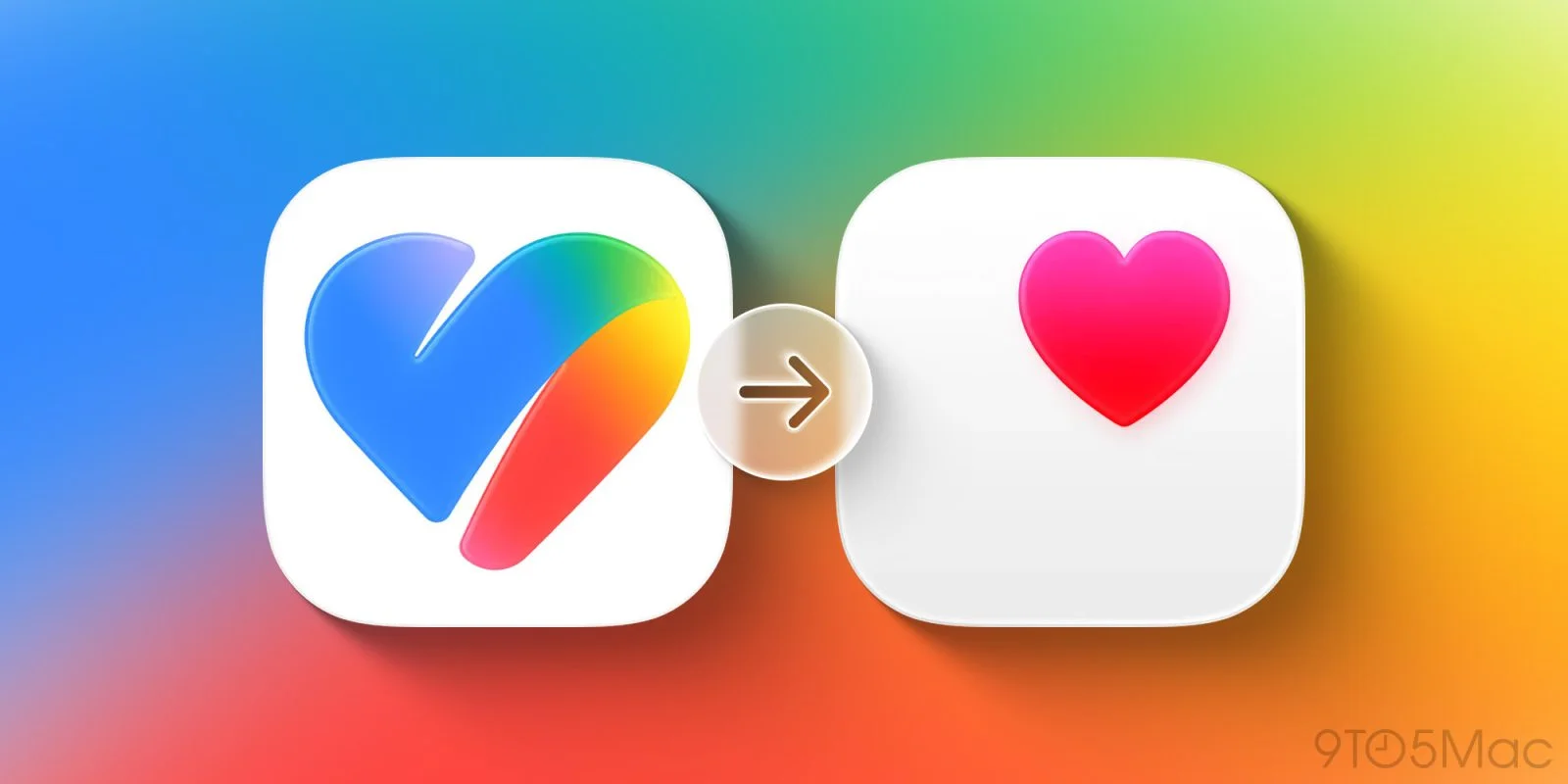
In May, the Google Health app made its debut alongside the budget-friendly Google Fitbit Air health trackers, marking its first foray into the fitness tracking arena.
Initially, this app provided only one-way integration with Apple Health, where it could access health data from iPhones and Apple Watches, but lacked the ability to send Fitbit data back into Apple Health.
With today's update, the Google Health app on iOS has closed that gap, introducing a feature that allows users to not only read but also write data to Apple Health.
Google Health Updates Enable Data Sharing with Apple Health
The latest release, version 5.05, emphasizes this two-way communication in its notes:
“Share your data like your exercise records, sleep, vitals, steps, and more from Google Health to Apple Health.”
This functionality enables exercise records, sleep patterns, and vital statistics captured by Fitbit devices to be accessible through other HealthKit-enabled apps, contingent on user permissions. For users, this means a more interconnected health tracking experience, allowing them to aggregate various aspects of their health in one platform. Previous to this update, reliance on third-party apps often led to data fragmentation, which could be frustrating.
Prior to this update, syncing Fitbit data with the Apple ecosystem typically required third-party software or additional services. This stemmed from a lack of direct integration established way back in 2014 when Fitbit announced it wouldn't support Apple's HealthKit at the outset. That decision marked a significant point in fitness tracking history; it essentially separated two ecosystems. Fitbit users were often compelled to juggle between incompatible platforms, leading to a less-than-ideal user experience.
Besides improved syncing capabilities, version 5.05 introduces Smart Health Links, permitting users to share their medical records with healthcare providers or family members, enhancing the app's utility. This new capability represents a strategic shift toward making Google Health not just an aggregator of fitness data but also a pivotal resource for medical information sharing. It’s surprising how much trust users place in tech companies to manage sensitive health data, but there are always risks involved.
The new version of Google Health for iOS is available on the App Store, presenting users the opportunity to unlock more from their fitness data. However, with increased features come significant considerations related to data privacy and user consent, especially when involved in sharing. Users must be crystal clear about what data they are sharing and with whom, or they risk compromising their privacy.
Maximize Your Apple Experience
Apple AirTag 2 | Add Find My tracking to keys, bags, bikes, more
AirPods 4 | Apple’s newest wireless headphones
AirPods Pro 3 | Apple’s best wireless headphones
Beats USB-A to USB-C Cable | The official CarPlay cable


FTC: We use income earning auto affiliate links. More.
Implications of the Latest Google Health Update
The significance here isn’t just about convenience; it’s about how health data is being democratized across platforms. This update essentially means that users are no longer locked into just one ecosystem. If you’re working in this space, you realize how important it is to have interoperability. That said, while this update offers clear advantages, it begs the question: how secure is all of this data sharing?
As tech companies increasingly seek to integrate services and share data, issues surrounding user privacy and data ownership will undoubtedly come to the forefront. Recent history shows that data breaches are not uncommon in this sector. Users need to be discerning about what data they're sharing and who retains control over their information. Plus, this update could potentially alter the competitive dynamics between Fitbit and other health-tracking platforms. More integrated features could draw users away from rivals that don't offer similar capabilities.
And here's the thing: consumer trust hinges largely on transparency. Companies must be clear about how health data is processed and protected, especially considering the sensitive nature of this information. As Google makes its move in this arena, it’ll be essential for them to maintain a standard that keeps users informed and secure. If they can achieve that, they stand to not only attract users from Apple’s ecosystem but also enhance their own standing in the health tech revolution.
This update is a notable step for Google, potentially setting a precedent for further collaboration between tech giants. Whether this will lead to a broader trend of integration across various health-related platforms remains to be seen, but for many users, the outcomes will be significant. The desire for a singular view of health data isn’t just a fleeting trend—it's becoming the expected standard.
Discussion
Sign in to join the discussion.