Apple's rumored $1,399 starting price for the iPhone 18 Pro raises questions about market strategy and consumer response amid steep increases.
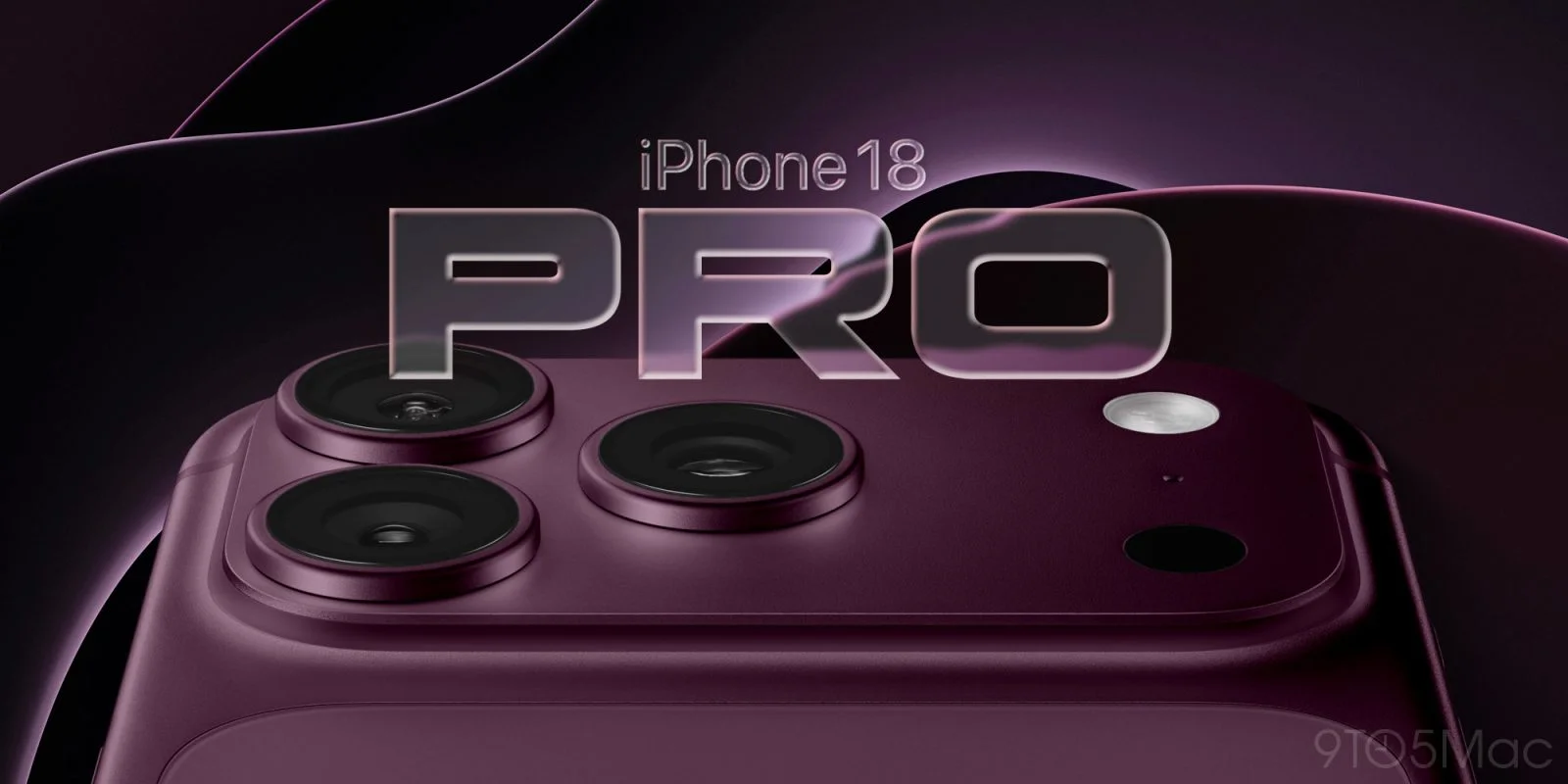
Price Elevation for iPhone 18 Pro
With the upcoming launch of the iPhone 18 Pro, speculation is rife about a considerable price hike. Recent reports indicate that Apple may set the starting price at an eye-popping $1,399. This figure seems unusually steep, even for a brand recognized for its premium pricing. Apple’s pricing strategy often ignites debate—not just about the cost itself but also about the value consumers perceive in its products.
Historical Context of Apple's Pricing
Historically, Apple has demonstrated a willingness to raise prices to safeguard its profit margins. This trend was particularly evident during recent updates across the product line, where devices like the MacBook Air witnessed a $200 increase from $1,099 to $1,299. Such adjustments have not only become common but also show Apple’s strategy to adjust prices alongside rising component costs. Consumers have adjusted to these price hikes, but each increase raises questions about how far they can stretch consumer loyalty.
Yet, a $300 jump for the iPhone 18 Pro from its predecessor could be a different story. This increase would represent a staggering 27% increase compared to previous models, surpassing the notable 18% hike seen in the MacBook Pro, which rose from $1,699 to $1,999. Such a substantial increase isn't merely a reflection of market trends; it reflects a strategic gamble. If Apple feels confident enough to raise prices significantly, they must believe that their brand cachet will hold strong, making consumers less sensitive to price changes.
The Buyer’s Dilemma
The implications of such a steep price increase weigh heavily on consumer sentiment. Tim Cook, Apple’s CEO, has hinted in earnings calls that while the company prioritizes margins, they are cautious about losing units sold. This balancing act could bring about friction—an increase like this could deter many potential buyers, especially with next year's model likely promising more enhancements. In a market where consumers have numerous choices, price sensitivity could play a larger role post-launch.
For those who prefer to outright buy their devices, the potential price tag attached to the iPhone 18 Pro could be a significant disincentive. A phone priced at $1,399 demands consideration, especially as inflation pressures many wallets. On the flip side, Apple's Upgrade program might mitigate the shock for some consumers by offering the option to lease instead of buy, allowing users to transition to newer models more frequently. This strategy has worked well in retaining customer engagement, but leasing won't appeal to everyone. Some users prefer the idea of full ownership, and that’s where Apple might face challenges.
A Market in Flux
Despite these price discussions, the general trend seems to favor consumers' willingness to pay premium prices for Apple products. Some analysts believe there’s an almost paradoxical relationship developing—where even steep price increases haven’t necessarily resulted in lost sales. As noted by market observers, industries ranging from real estate to automotive have shown that consumers often find ways around financial constraints, such as taking on loans to make purchases. This might suggest that Apple could impose these increased prices without losing significant market share. But at what cost? Consumer thresholds will eventually be tested.
“In terms of our philosophy on dollars or percentages, we look at units, revenue, and margin, and then come to a business judgment as to how to handle that,” Cook remarked, emphasizing that their strategy is multi-faceted.
Community Reactions
Responses from consumers highlight a fascinating dynamic surrounding these price speculations. Some feel that Apple can charge premiums, while others express skepticism about whether even loyal users might balk at a $300 raise. This conversation illustrates the complex interplay between brand loyalty and financial reality. Those who staunchly prefer Apple may begrudgingly accept the hike, while newer customers could think twice before making such an investment.
Ultimately, various viewpoints exist on whether such a steep increase for the iPhone 18 Pro is feasible. As consumer feedback unfolds, it will be vital to monitor how Apple navigates this turning point in its pricing strategy. If you're working in this space, understanding consumer sentiment could be just as critical as analyzing the numbers behind the sales. What are your thoughts on this potential increase? Is it a sustainable move for Apple?
Looking Ahead: Implications of Price Increases
As we look to the future, the implications of Apple's pricing strategy become increasingly apparent. If the iPhone 18 Pro sets a new pricing benchmark, how will that affect Apple’s brand image? Will he price hikes alienate some segments of their customer base, or will it cement Apple’s status as a premium brand that commands these rates? This is more significant than it looks—how consumers react can inform not only Apple's strategy but also the approach of competitors.
The tech industry often mirrors the economic landscape, influenced by inflation, supply chain constraints, and shifts in consumer behavior. Apple's ability to raise prices significantly indicates confidence in its ecosystem. Yet, this move could lead to increased scrutiny from both consumers and investors. Monitoring sales data after the launch will be critical; any significant drop in units sold could trigger a reevaluation of this strategy. Adjustments may be made, but only time will tell how effective Apple's pricing adjustments will be.
Discussion
Sign in to join the discussion.