In Q2 2026, Apple achieved a record 49% share of global smartphone revenue, driven by stable pricing and strong demand for the iPhone 17 lineup.
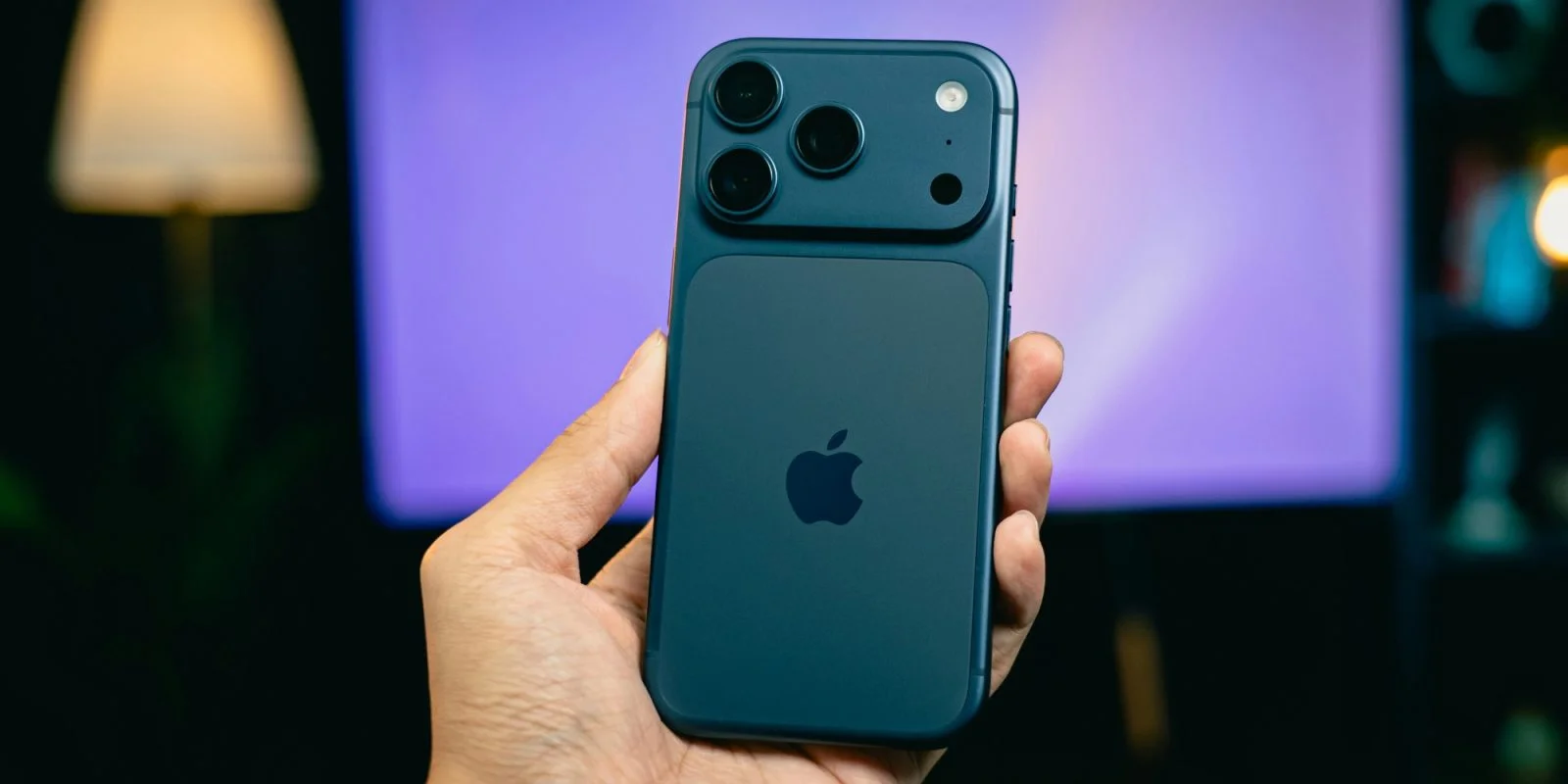
Recent data from Counterpoint Research reveals that Apple has secured nearly half of the global smartphone revenue during the second quarter of 2026, marking a significant achievement despite an industry-wide downturn in shipments.
Record Revenue Share in Challenging Market
For the second quarter, Apple captured a remarkable 49% of global smartphone revenue, reflecting a 22% year-over-year increase, as reported by MacMagazine. Achieving such a high revenue share during a quarter typically affected by seasonal dips shows Apple's ability to not just withstand but thrive in a tough environment. This figure represents Apple's highest revenue share for any second quarter, an impressive feat considering the overall revenue for smartphones grew just 7% this year. While many brands struggle, Apple seems to have found a formula that keeps its coffers full.
Stellar Growth Amid Industry Declines
Apple's average selling price climbed to $946, markedly up from $879 from the previous year's quarter. This substantial leap in price indicates not only an increase in product value but also reflects how Apple continues to position itself as a premium brand in an increasingly competitive marketplace. While the tech giant's revenue surged, it also achieved its highest-ever shipment share at 21%, up from 17% the year prior. However, it still trails Samsung, which maintained a 23% share of global shipments. This doesn't diminish Apple’s achievements—it's simply a reminder that competition remains fierce. Other major players in the market, such as Xiaomi, experienced notable declines, with shipments dropping from 14% to 11% and a staggering 26% year-over-year fall in unit shipments. The contrast between Apple and other brands underlines the turmoil facing many companies that can't adapt as quickly.
Stable Pricing Strategy Pays Off
Amid a market-wide memory shortage that prompted competitors to raise their prices, Apple kept its iPhone prices relatively stable. This critical decision has positioned it strongly against rising costs and competitive pricing pressures. Counterpoint noted that this strategy has bolstered Apple's market position, enabling it to grow both in revenue and volume even as the broader smartphone market contracted. Maintaining stability in pricing while competitors struggle showcases Apple’s deft maneuvering in a tight-knit sector. (And this is the part most people overlook: the strategic implications of pricing at a time when supply chains were in upheaval.)
“Apple’s growth was driven by the sustained demand for the iPhone 17 series, especially the base model and the Pro Max version, keeping the brand aligned with premium offerings,” Counterpoint explained.
Interestingly, while Apple’s pricing discipline has allowed it to navigate current market challenges effectively, expectations indicate a potential price increase in future quarters. This change could come as the tech giant becomes increasingly confident in its market position and product launch cycle. The company’s effective pricing strategy, combined with solid demand from regions like China and Europe, enhances its relative value proposition compared to rising Android prices. If you're working in this space, it’s essential to pay attention to how these price dynamics play out.
Future Outlook and Implications
The results and strategies we've seen from Apple in Q2 2026 speak volumes about how the company navigates challenges while positioning itself for continued dominance. However, the smartphone market is notoriously fickle. Analysts and developers alike should watch for Apple’s potential price increases that could alter its current trajectory. With increasing pressure from competitors and economic uncertainties affecting consumer behavior, how Apple balances pricing and demand will determine its success in the coming quarters.
Counterpoint’s insights emerged close on the heels of Apple’s fiscal Q3 2026 earnings call, where the company indicated potential supply constraints intensifying in the upcoming quarter, particularly affecting iPhones, iPads, and Macs. If these constraints create a backlog, it could hurt sales during a critical season for tech products. The company's ability to pivot when faced with supply chain issues will be under the microscope.
For those interested in the full report, Counterpoint's report is available here.
Discussion
Sign in to join the discussion.