Apple is set to launch five significant products this fall, reflecting a shift in technology and user experience that fans have eagerly awaited.
Apple is gearing up to introduce five highly anticipated products this fall, with each designed to enhance user experience and functionality after years of speculation and waiting.
Introducing the iPhone Ultra
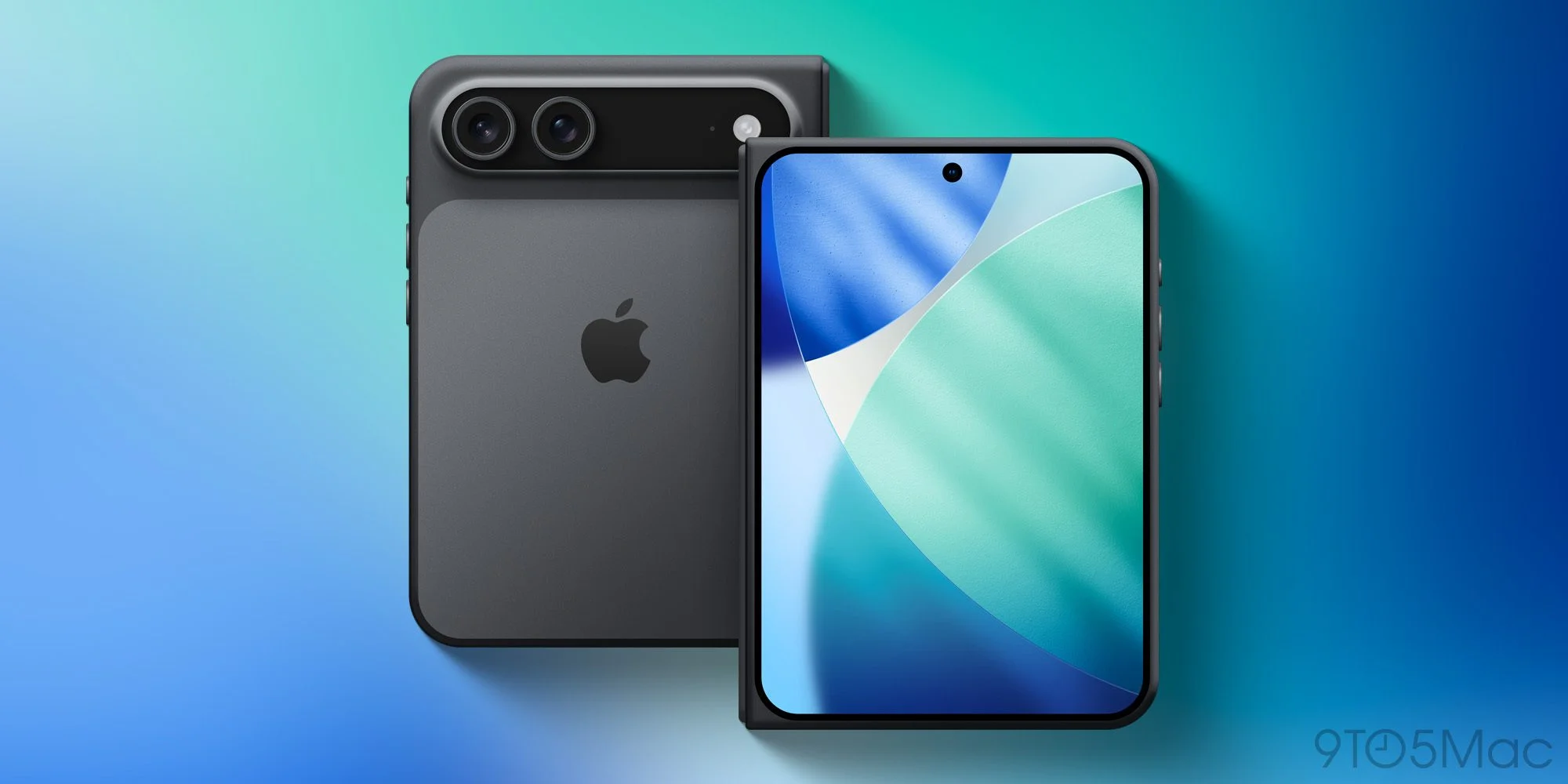
The foldable smartphone trend kicked off with Samsung back in 2019, and now it seems Apple is ready to join the fray. The much-rumored iPhone Ultra, marking Apple’s entry into the foldables market, promises a crease-free display and a hinge designed for durability. This leap in technology indicates that Apple is finally confident in the foldable format, as even competitors have acknowledged its evolution.
Apple's hesitance to enter the foldable smartphone sector up until now raises questions about its strategic approach. While the industry has seen significant advancements, Apple's cautious approach often relies on refining ideas before implementation. The potential shift to a foldable iPhone might signal a transformative moment not only for Apple's lineup but also for the broader mobile computing landscape. If it successfully engages with users' needs for versatility and functionality, the iPhone Ultra could redefine what consumers expect from their smartphones.
Enhanced Apple TV 4K
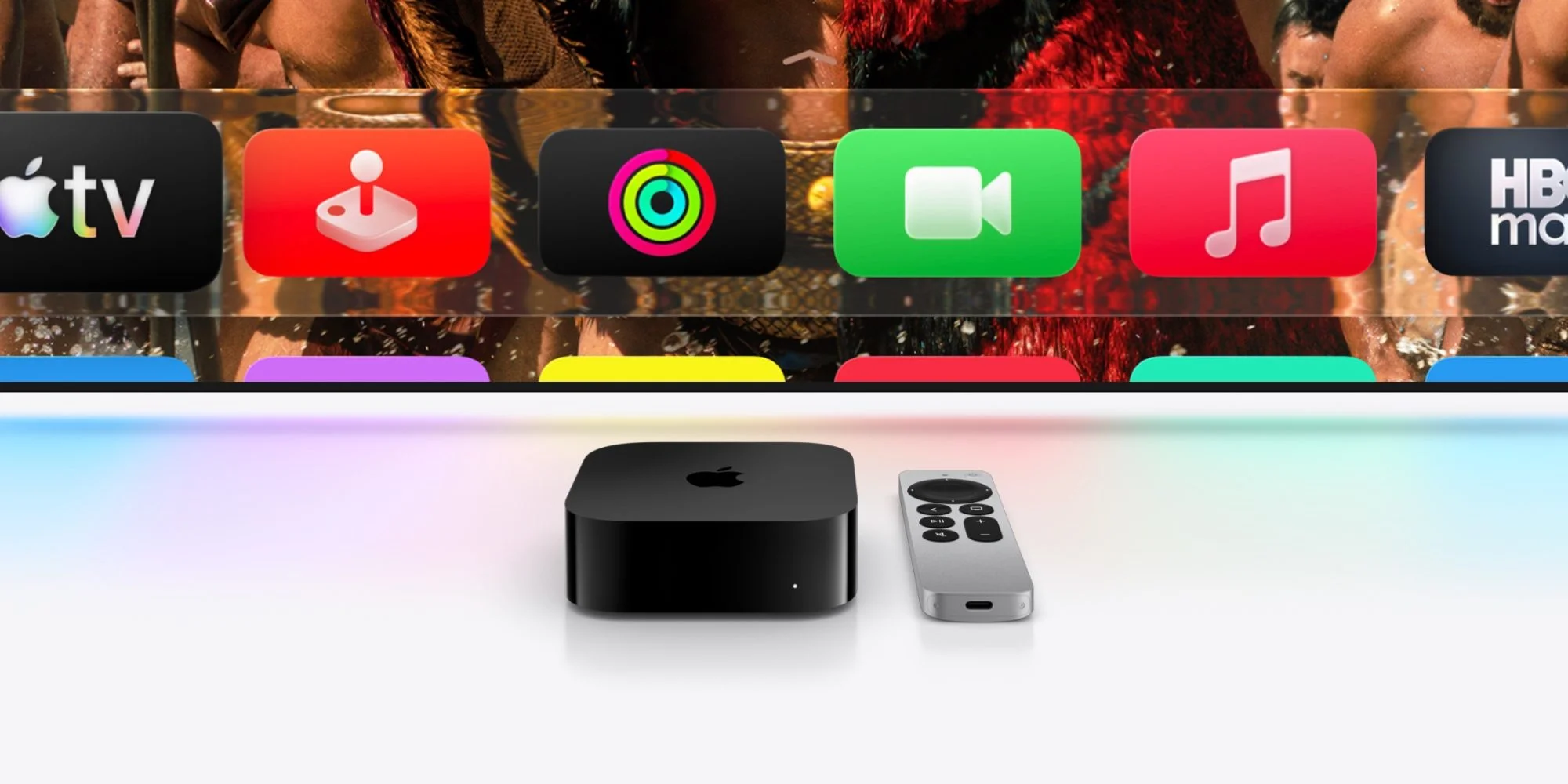
The Apple TV lineup is also getting a refresh with the new Apple TV 4K, which has become the longest-selling model without an update since its last launch in fall 2022. Initially set for a fall 2025 debut, the product faced delays due to challenges with Siri's AI capabilities. Now that iOS 27 is on the table, it's expected that this new model will enhance the Siri experience among other features.
The longevity of the existing Apple TV model suggests that Apple is keenly aware of the competition from streaming services and devices. This upgrade isn't just a matter of routine refresh—it's a response to the growing expectations of consumers who now demand seamless integration between hardware and services. With Siri becoming more integral to the user experience, the implications of these enhancements could stretch beyond simply watching TV. They might influence everything from smart home control to how users engage with their favorite shows and movies.
MacBook Ultra: Touchscreen Finally Arrives
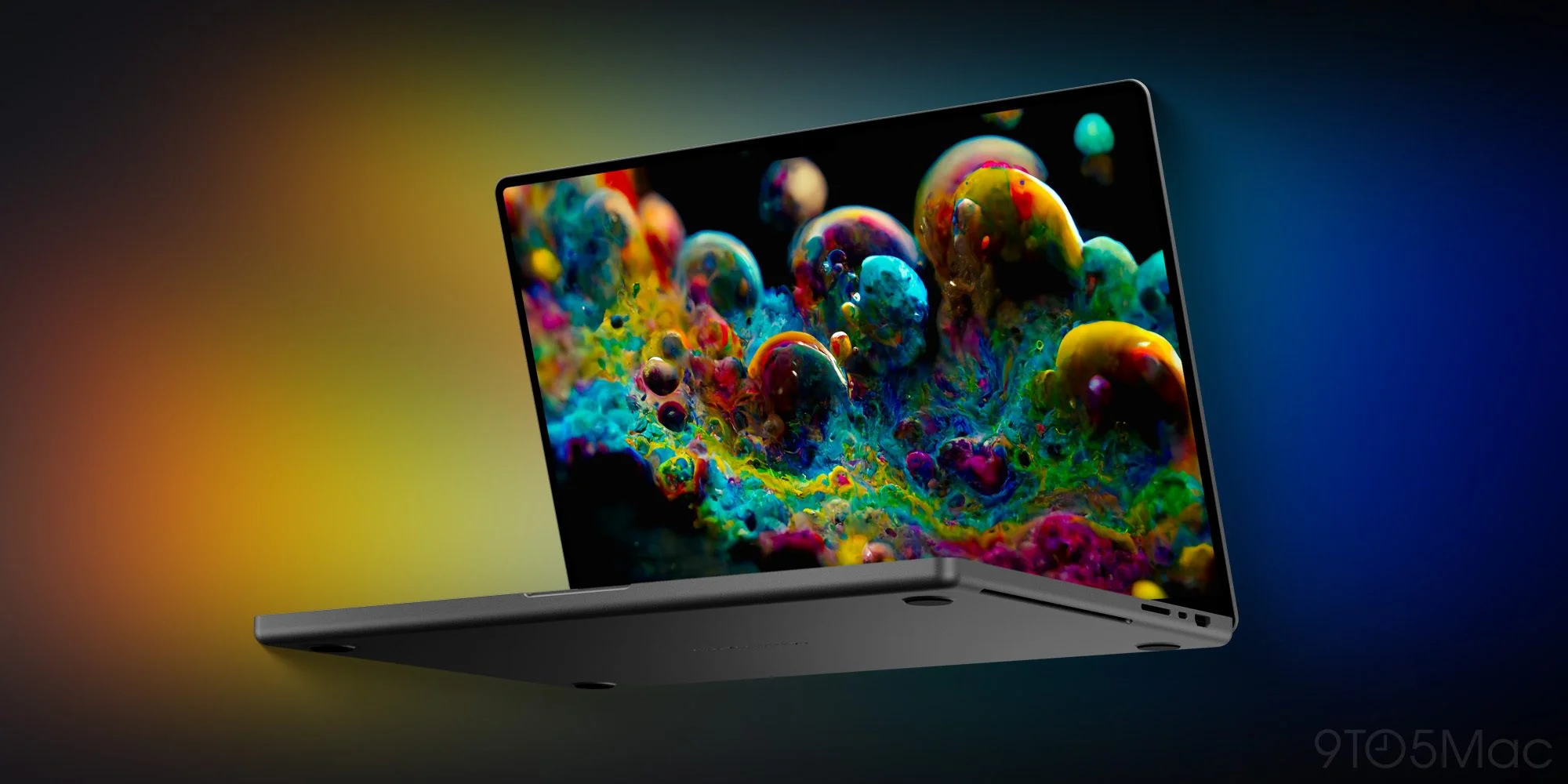
Another significant introduction is the MacBook Ultra, possibly rebranded as a MacBook Pro. Apple has historically resisted adding touchscreens to Macs but appears ready to pivot with this model. macOS Golden Gate hints at features like direct touch input and enhanced interface tools, indicating a major shift in how users will interact with their laptops.
In a market where many competitors offer touch-enabled laptops, this move could finally bring Apple back in line with user expectations. But it's not just about tapping the screen; it’s a fundamental shift in how work is performed on a Mac. If you're working in this space, consider the productivity implications: direct interaction might simplify creative tasks or complex workflows. However, Apple’s execution will determine whether this is a genuine enhancement or merely a superficial gimmick.
Revamped HomePod Mini
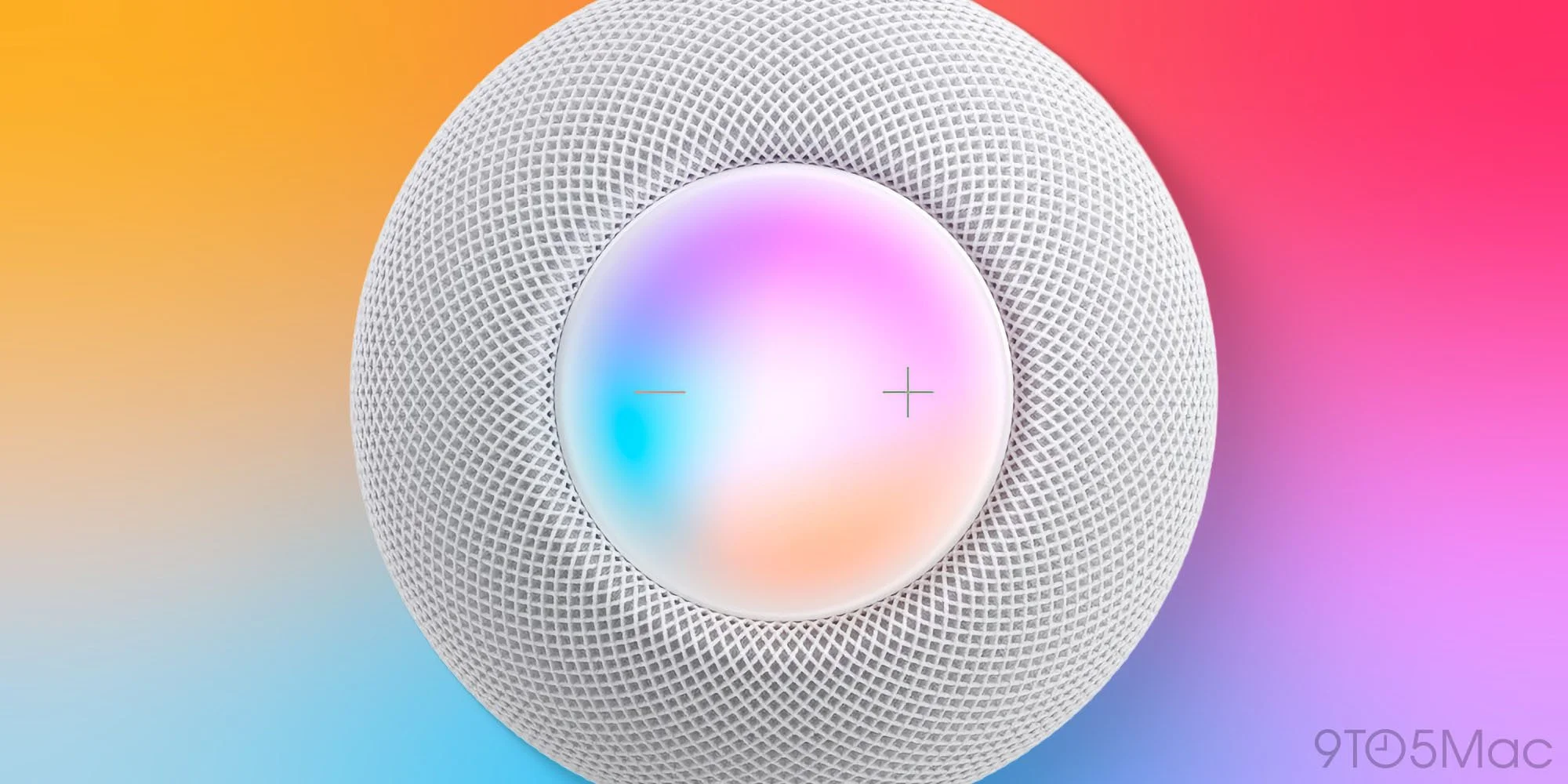
The HomePod mini has long awaited a hardware upgrade since its initial launch in 2020. Reports suggest that the upcoming HomePod mini 2 might feature enhanced audio, new chip capabilities for Siri AI, and more color options, representing a timely upgrade to fit into Apple's more cohesive smart home ecosystem.
Despite its initial underperformance compared to rivals like Amazon Echo and Google Home, the HomePod mini has carved out a niche due to its Apple integration. Any improvements could not only bolster sales but further entrench Apple’s role in the smart home market—an area critical for future growth. More audio quality, additional colors, and smarter capabilities seem like straightforward responses to consumer feedback, but this upgrade must also address the competitive landscape effectively. You could say this is Apple's chance to reclaim some swagger in a market where it's lagged.
The Anticipated HomePad
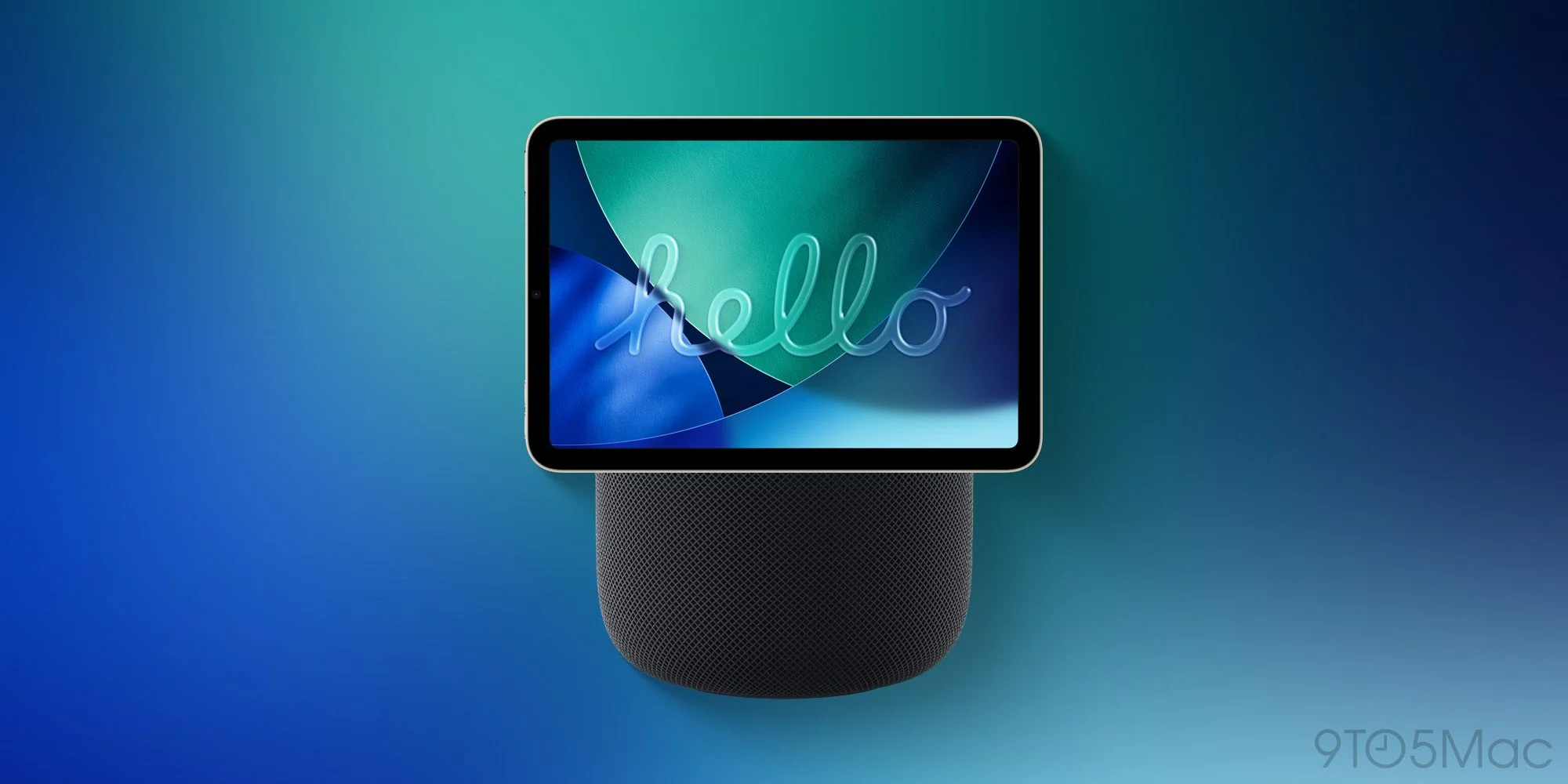
Finally, the HomePad, which may also carry the name HomePod Touch, has been on many users' wish lists for years. Following delays attributed to Siri optimizations, it's now gearing up for a fall launch. This product promises to integrate smart home functionality with a display, providing a more versatile user experience.
The concept of a HomePad could radically alter how users interact with their smart home devices. Imagine a hub that not only controls lights and thermostats but also manages interactions visually and audibly. This is more significant than it looks, because integrating a display means Apple can elevate the user experience, creating a streamlined interface that enhances engagement with their ecosystem. However, as with all new products, the execution will be key; it needs to be intuitive and not just an interface burden dressed up as innovation.
Recommended iPhone Accessories
- AirPods Pro 3 (now only $199, down from $249)
- MagSafe Car Mount for iPhone
- 10-year AirTag battery case
- 100W USB-C fast charging power adapter
- AirTag 2 (1-pack / 4-pack)
Implications and Future Outlook
The introduction of these products represents a bold step for Apple, which has long held a conservative approach to major hardware changes. The iPhone Ultra's entry into the foldable market points to an acknowledgment of shifting consumer preferences towards more versatile devices. With the MacBook Ultra, Apple seems to recognize that the hybrid work environment is here to stay. The anticipated features suggest a growing alignment with what users expect in their daily interactions with technology.
That said, while these upgrades appear promising, Apple must deliver on user expectations. If the products fail to resonate, the consequences could lead to a significant setback—not just in terms of sales, but also in brand perception. Taking risks is part of any tech evolution; whether Apple can navigate this balancing act will be its true test in the months ahead. And this is the part most people overlook: successful launches are built not just on features but on that rare alignment of user experience with genuine innovation.
Discussion
Sign in to join the discussion.