The Court of Appeal has dismissed Richard Desmond's challenge to the National Lottery license, affirming Allwyn's position as the operator.
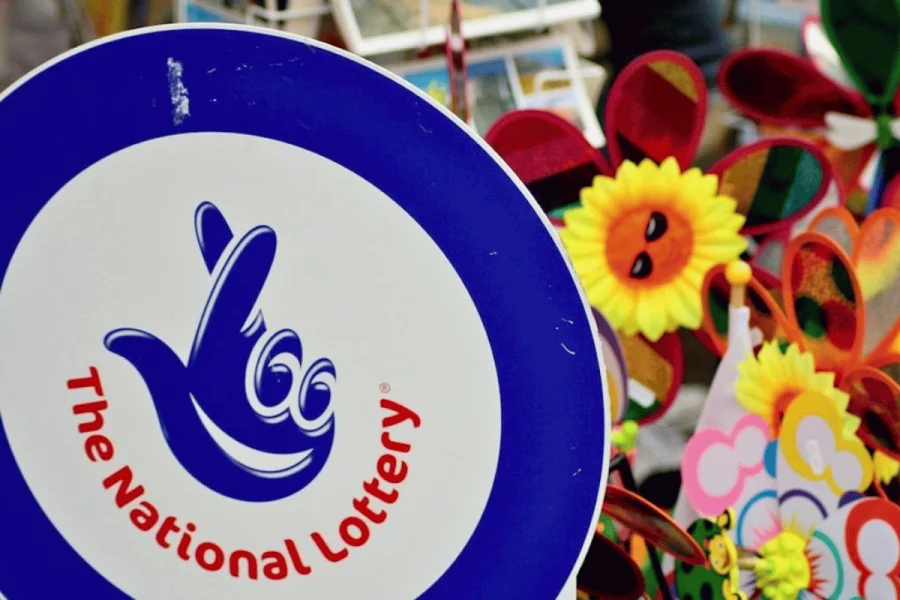
Richard Desmond's related companies have lost their bid to legally challenge the UK National Lottery license, further solidifying Allwyn's control. This ruling from the Court of Appeal follows an April decision by the High Court, which dismissed all claims made by The New Lottery Company Limited (TNLC) and Northern & Shell.
The appeal rejection is part of a drawn-out legal saga surrounding one of the UK's most significant public contracts. Allwyn won the tender for the 10-year license in 2022 and officially replaced Camelot as the National Lottery operator in February 2024, ending Camelot’s three-decade tenure.
Desmond's entities were seeking up to £1.3 billion ($1.8 million) in damages, arguing that the bidding process featured substantial errors and that subsequent modifications to Allwyn’s agreement mandated a repeat of the competition. Their financial investment in the unsuccessful bid tallied around £17.5 million ($23.6 million).
Details Behind the Denial of Appeal
The Court of Appeal, led by Coulson LJ, rejected all three grounds for appeal put forth by TNLC and Northern & Shell. During the previous High Court proceedings, the opportunity to present new legal arguments had been specifically denied, leading to the rejection of their appeal. Coulson highlighted that TNLC’s chances of success were “vanishingly small” under any judicial scrutiny. This emphasis on legal standards is indicative of how the courts are increasingly scrutinizing similar commercial disputes, particularly in sectors like gambling, where substantial public interest is at stake.
This ruling enables Allwyn to move forward with significant upgrades for the National Lottery's technology. The company has committed over £350 million ($472 million) for enhancements, addressing systems that have not seen an upgrade since 2009. The need for this overhaul is pressing; many systems in this sector are lagging behind current technology standards, which can negatively impact user experience and outreach. Allwyn has attributed previous delays to the immense scale of the project, legal challenges, and reliance on external vendors. Many may wonder—how long until users see tangible benefits? The company’s promises will be under scrutiny as they implement these upgrades.
Meanwhile, the Gambling Commission has been monitoring Allwyn's compliance with its contractual obligations, taking a close look after the operator faced setbacks related to a transition milestone. Following the Court's decision, the Commission stated that the ruling clears the path for Allwyn to advance with its modernization efforts. It’s essential to consider how regulatory bodies like the Gambling Commission balance oversight with the need for innovation. A stringent yet adaptable approach could ultimately serve the interests of the lottery's players and beneficiaries.
A spokesperson for the Gambling Commission remarked, “This is an important decision for the operation of The National Lottery that we welcome.” The Commission affirmed that a fair competition was conducted to award the Fourth National Lottery License and that no significant irregularities were found in subsequent adaptations of the contract. Here’s the reality: the public's trust hinges on the transparency and fairness of this process. The Commission’s stance serves to bolster confidence in the system, which has faced criticism over the years regarding its transparency.
This decision is poised to provide vital support for Good Causes, allowing Allwyn, under regulatory guidance, to focus on its investment plans for the National Lottery without further obstacles. The Commission reiterated its commitment to ensuring the National Lottery operates effectively for both participants and beneficiaries. But can we really say this is a win for the players? After years of Camelot's management, who had their own issues regarding accountability, the stakes are high. If all goes well, the public might see an enhanced lottery experience, but vigilance will be necessary.
Implications and Future Outlook
The aftermath of this ruling goes beyond just Allwyn and its operations. It signals a shift in how both the public and private sectors need to maintain integrity and transparency in bidding processes, especially when large sums of money are at play. If you're working in this space, this situation illustrates the complexities inherent in government contracts. Legal challenges to such bids are likely to continue, especially given the potential for enormous sums in damages and the significant public scrutiny involved. One thing is clear: as Allwyn gears up for this modernization, any hiccups could lead to more challenges from competitors.
The future holds potential for Allwyn, as they position themselves to implement much-needed updates and innovations, yet the road ahead won't be entirely smooth. A lot rides on their ability to navigate the regulatory landscape while meeting public expectations. As this situation unfolds, keep an eye on the ripple effects it may have—not just on the National Lottery but also on public trust in lottery operators at large. (And this is the part most people overlook.)
Featured image: Flickr, licensed under CC BY-SA 2.0
The post Court of Appeal Ruling Reinforces Allwyn's Control Over National Lottery License appeared first on ReadWrite.
Discussion
Sign in to join the discussion.