The WNBA has retracted a video featuring Paige Bueckers and Angel Reese discussing a bet, acknowledging it misrepresented league gambling policies.
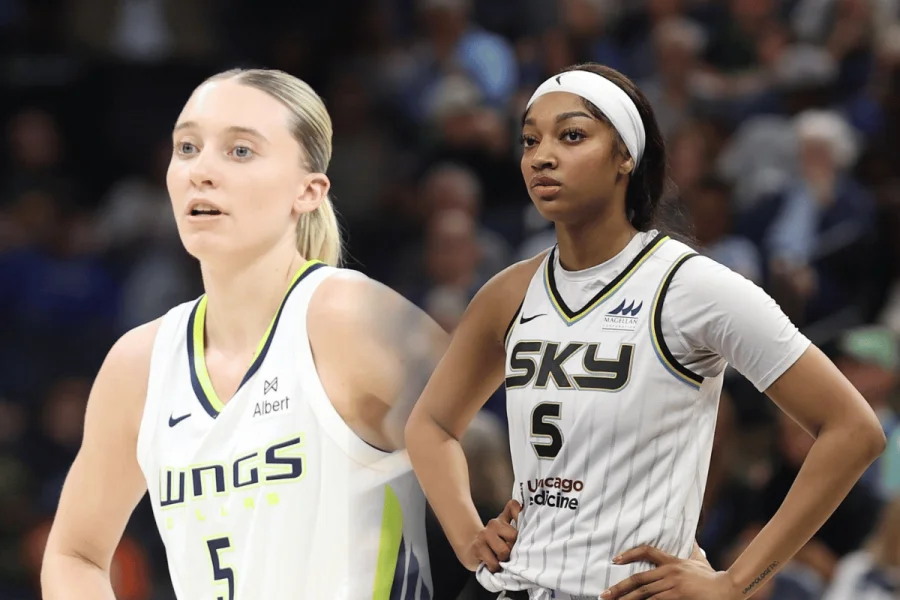
The WNBA recently faced backlash for posting a video featuring players Paige Bueckers and Angel Reese joking about a $400 bet related to their teams' matchup. The league quickly removed the clip, admitting that it missed the mark in terms of its lighthearted intent.
This exchange occurred during the All-Star weekend, where Bueckers and Reese casually mentioned a wager in a conversation meant to amuse. Initially, the WNBA shared the video with a playful caption that included a laughing emoji. However, after criticism arose, the league deleted the post within hours.
In a statement to ReadWrite, the WNBA clarified that its players are reminded annually about the prohibition against betting on league games. They expressed, “While the social media post was intended to be lighthearted, WNBA players are well aware of the league’s policies prohibiting betting on WNBA games and receive training every year reinforcing those policies.” This incident served as a reminder of the importance of vigilance regarding discussions about wagering that could lead to negative perceptions.
Bettors in the Spotlight: Bueckers and Reese's Exchange
During an interview, Bueckers was asked whether her agreement with Reese still held regarding their bet on the upcoming game. Bueckers confirmed, “We did. This is how the rich stay rich,” indicating a lighthearted approach to the wager. The playful nature of their banter resonated with fans, but it collided head-on with serious regulatory concerns.
The WNBA has a no-tolerance policy concerning betting, with strict rules surrounding players' conduct. Engaging in any form of wagering related to league outcomes can result in serious consequences. That's a fact players must grapple with, as violations could lead to fines or even dismissal. Following the uproar over the video, the league opted for internal review rather than immediate public disciplinary action against Bueckers and Reese, leaving many to speculate about the potential repercussions.
The context surrounding this incident cannot be ignored. Just months before, controversies swirled around the NBA, which had launched investigations into illegal gambling allegations involving players and staff. Such scrutiny underscores the increasingly significant pressures facing leagues that strive for fan engagement while maintaining integrity and compliance with regulations. If you're working in this space, you know the challenge of striking this balance is more pressing now than ever.
Social media has a way of amplifying both positive and negative interactions. The quick deletion of the video illustrates the precarious nature of content creation in the current digital age. Fans and followers expressed their discontent at what they perceived as a flippant disregard for rules that could undermine the trust in the league. Comments flooded in, and the WNBA’s decision to remove the video shows they were listening.
In a digital environment where memes and shares can spread information rapidly, misunderstandings can escalate into massive backlash almost overnight. The WNBA seemed to have underestimated this volatility by allowing the playful banter to go unchecked for several hours before deleting it. Messages can be misconstrued, and it's easy to forget that humor doesn’t always translate well across platforms; (and this is the part most people overlook). Rather than fostering a sense of fun and community, the initial post drew incredulity and ire.
Criticism came not only from fans but also from sports commentators who pointed out the dangerous line the league was treading. Allowing players to joke about betting could signal a permissiveness that contradicts the strict policies in place. The WNBA's mission to promote and develop women's basketball could be overshadowed by a narrative driven by betting controversies.
Implications and Future Outlook
This incident sends a significant message about the role of player conduct and league policies, especially in a sport grappling with broader gambling scrutiny. The WNBA’s rapid response to the backlash shows a heightened awareness of these issues, but it also raises questions about how players will navigate this terrain in the future. Will they be more cautious in their interactions? Will the league bolster educational efforts around gambling policies and compliance?
The scrutiny of gambling in sports carries implications beyond just athletes. It impacts franchises, sponsors, and overall public perception. As states continue to legislate sports betting and its presence grows, organizations like the WNBA must carefully consider how they engage on platforms that invite humor and personal connection. The industry's dynamics are shifting rapidly, so the league will need to ensure that its policies not only protect integrity but also align with the evolving landscape of sports entertainment.
This incident underscores the sensitive nature of betting in sports and serves as a cautionary tale for leagues balancing engagement with stringent regulatory frameworks. With varying degrees of awareness among players about league rules, ongoing training might need to be a top priority. If the WNBA wants to avoid repeats of this situation, a proactive approach will serve them far better.
Featured image: John McClellan via Flickr / CC BY-SA 2.0
Discussion
Sign in to join the discussion.