Apple's new Upgrade Program offers flexible leasing options, lower payments, and broader device selection compared to the discontinued iPhone Upgrade Program.
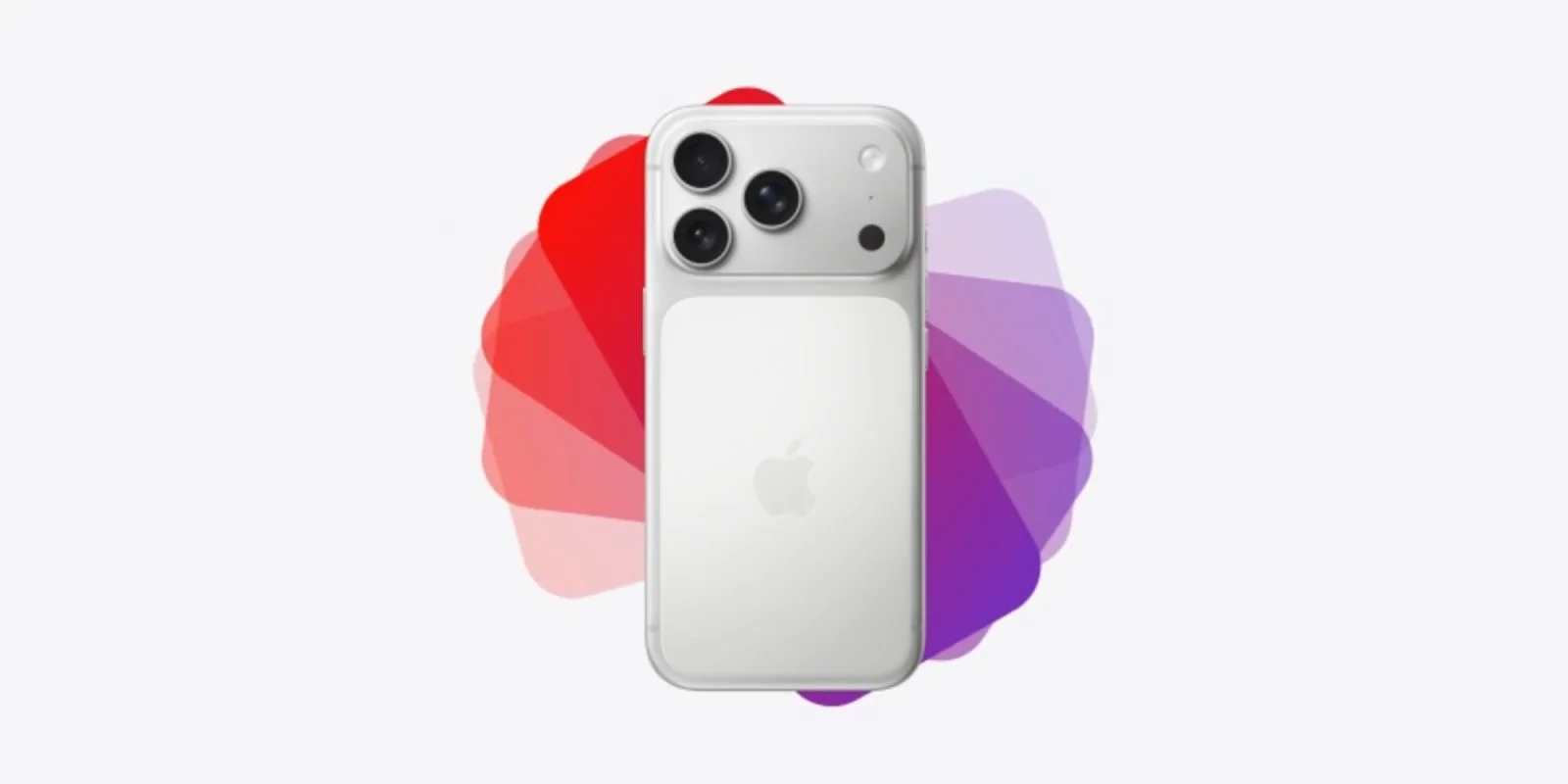
Apple has unveiled its latest Upgrade Program, prompting the discontinuation of the older iPhone Upgrade Program. While both programs facilitate access to Apple devices, notable differences set them apart.
Leasing Versus Financing
At the core of the distinction is the structure: the Apple Upgrade Program operates as a leasing option, while the former iPhone Upgrade Program functioned through financing. Users interested in the Apple Upgrade Program commit to monthly payments over a 12 or 24-month period, but they don't own the iPhone outright. At the lease's conclusion, users can choose to return the device, exchange it for a newer version, or pay a buyout fee to take ownership.
This leasing model is increasingly common in various sectors, particularly in tech. It reduces the upfront financial burden, making it easier for consumers to access the latest devices without paying the full retail price at the outset. However, it also raises questions about long-term costs and ownership implications. Users must evaluate whether they prefer to lease—a model often laden with additional fees—or finance an outright purchase for long-term ownership.
In contrast, the iPhone Upgrade Program required users to make payments that would ultimately lead to full ownership of the device. This arrangement was straightforward but came with the financial obligation of fixed payments that some found limiting. Although leasing and financing differ in name, the practical aspects, especially in terms of ownership at the term's end, are relatively similar. Users familiar with one model might find it challenging to adjust to the nuances of the other.
Lower Monthly Payments With Conditions
Much like automobile leasing, the Apple Upgrade Program promises lower monthly payments compared to its iPhone Upgrade predecessor. This affordability arises partly because AppleCare is not bundled in by default, allowing users to pay less upfront. Without the added insurance coverage initially included in payments, customers can enter the program at a more accessible price point, which might appeal to budget-conscious consumers.
But there's a catch. While the monthly payments are less daunting than before, users generally won't cover the full retail value of the iPhone during the lease. Instead, the Apple Upgrade model allows users to pay most of the device's cost throughout the lease, while a residual buyout fee remains if they decide to purchase the phone outright later. The iPhone Upgrade Program, however, divided the product's total cost across fixed monthly payments from the start, leaving no additional fees at the end. This means potential long-term savings for some, but also exposes users to unexpected costs if they decide to keep their phones.
Optional AppleCare versus Mandatory Inclusion
Apple Upgrade presents users with the choice to opt for AppleCare during the leasing transaction, which adds a layer of flexibility that many will appreciate. This could be beneficial for those concerned about potential damages to the leased device, allowing users to manage their insurance needs according to personal circumstances rather than a one-size-fits-all model.
The previous iPhone Upgrade Program automatically included AppleCare, resulting in heightened monthly costs for users but also ensuring comprehensive coverage from the start. While automatic inclusion means you won’t have to worry about it later, it also guarantees that users pay for protection they may not need. The choice under the Apple Upgrade Program now places more responsibility on the consumer—if you’re working in this space, you’ll have to weigh the value of AppleCare against potential repair costs, which can add up quickly.
Broader Product Availability
Unlike the previous program strictly limited to iPhones, the new Apple Upgrade expands leasing options to a variety of Apple devices, including Macs, iPads, and Apple Watches. This broadening of scope is significant for users looking to incorporate various Apple products into their ecosystem without the heavy financial burden of outright purchases. With three major categories under the Upgrade Program, it reflects Apple's understanding of diverse consumer needs—a market strategy that acknowledges users may want more than just smartphones.
However, applicants will need to submit separate requests for each device they wish to lease under the Apple Upgrade Program. On the surface, this makes it theoretically possible to lease multiple devices simultaneously, but it also introduces a layer of complexity that could deter some consumers. This is especially true for those used to the simplicity of the old program. The potential to manage several leases could be appealing for tech-savvy users who want to have their hands on the latest devices for all their needs, but for the average consumer, it might feel cumbersome.
For more details on the specifics of the Apple Upgrade Program, you can read our comprehensive guide here. For the full subscription cost list of eligible products, click here.
Implications and Future Outlook
The introduction of the Apple Upgrade Program is likely to have broader implications for consumer behavior. As monthly payments become the norm for acquiring tech products, we must consider how this shift fosters a culture of continuous consumption. Consumers may gravitate towards leasing as it allows easy access to the latest devices without committing to long-term ownership. But at what cost?
In the long run, customers could find themselves perpetually in a cycle of payments, dissuaded from ever actually owning their devices. With this in mind, users need to think critically about value versus convenience. Are we genuinely better off with these structures, or are we just making it easier to spend money on technology? If you’re weighing these options, it’s vital to reflect on your usage habits and financial priorities before diving head-first into the lease-and-return model.
(and this is the part most people overlook) It's essential to consider the potential drawbacks of leasing. Maintenance, wear and tear, and additional fees can stack up, making leasing less appealing for those who favor long-term ownership and lower overall costs.
Discussion
Sign in to join the discussion.