iOS 27, set for release this fall, is rumored to introduce five notable features that are not included in the beta, including third-party AI integrations.
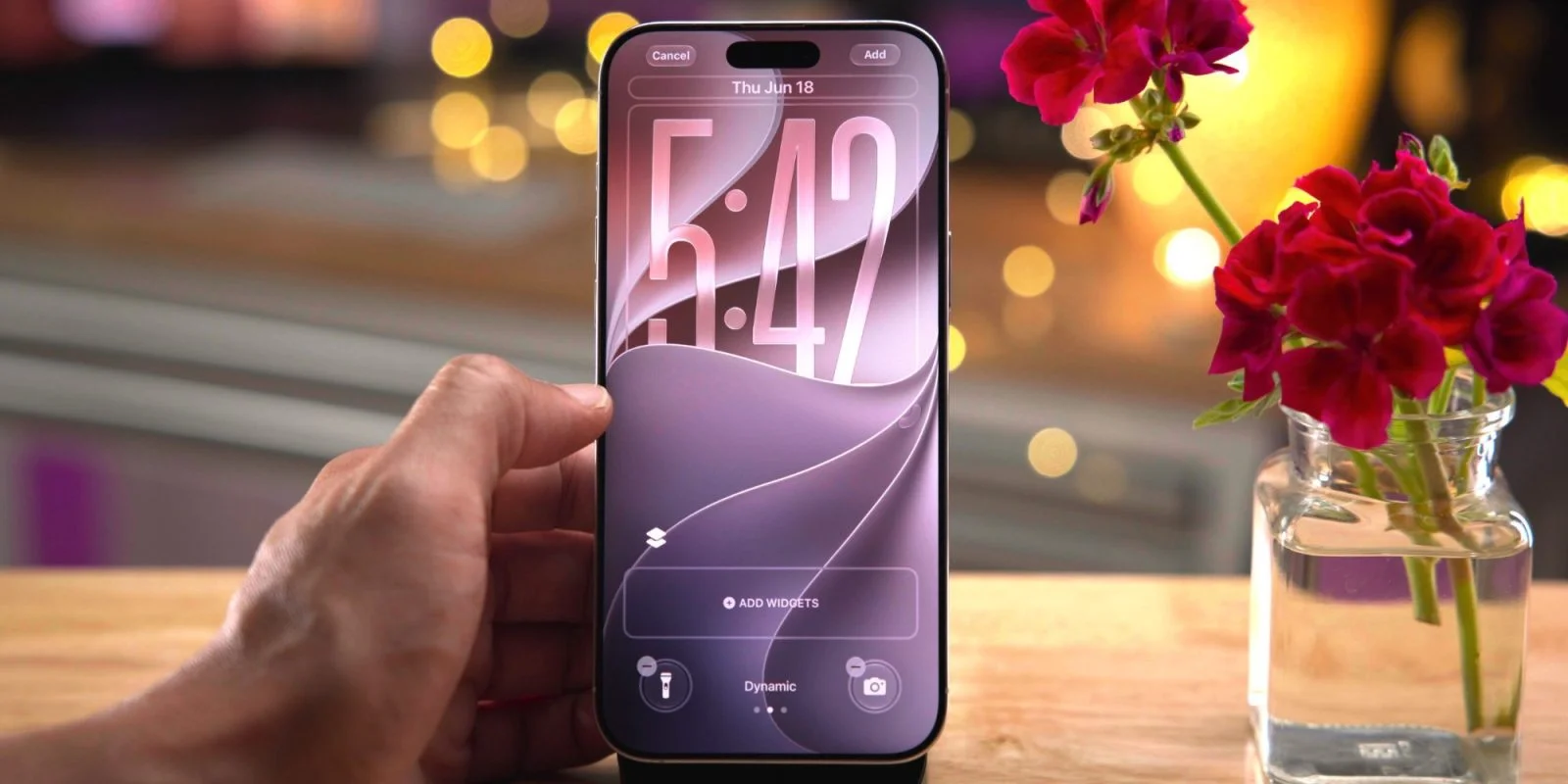
iOS 27 is currently in beta version, with plans for a full release to all users this fall. As the software update approaches, insights indicate that several anticipated features remain under wraps and haven't yet been integrated into the beta. Users are left to wonder what’s in store, as much of the focus has been on minor tweaks and optimizations that don’t inspire excitement.
Mark Gurman from Bloomberg has established a reputation for accurately forecasting developments in iOS, and his reports suggest that at least five significant enhancements could still be on the way. These updates might be included in the initial release of iOS 27.0 or could potentially be rolled out in a follow-up update like iOS 27.1. The anticipation surrounding these updates is palpable, as iOS has a history of sometimes being overshadowed by its competitors in terms of cutting-edge features.
Integration of Third-Party Chatbots with Siri
One of the most discussed enhancements involves the integration of additional third-party chatbots into Siri. Gurman has noted that Apple aims to open Siri to alternatives beyond ChatGPT, which is already available. Users will be able to switch between different chatbot options, including Claude and Gemini. While an interface for this functionality exists in iOS 27, only ChatGPT is currently usable. With increasing competition in voice assistants from platforms like Google Assistant and Amazon Alexa, this move feels necessary for Apple to remain relevant in the conversations around smart assistants.
There's a noticeable trend in the tech industry where companies are recognizing the diversity of user preferences. This shift could provide Apple with an edge in user retention. If you're working in this space, you'll see how offering flexibility in choice can translate to higher user satisfaction. Apple's reluctance to initially embrace third-party systems was once a point of pride, but in expanding these options, they show they understand market demands.
Enhancements to the Health App
The Health app is set to receive a significant upgrade, bringing AI capabilities that were originally intended for an internal health coach service named “Mulberry.” This enhancement is expected to offer more advanced tracking of blood sugar and utilize the device’s camera for workout monitoring. Despite these updates being eagerly awaited, they are not expected to launch with the initial iOS 27 release and may instead debut in a subsequent update. The push toward integrating personalized health management into everyday life reflects broader trends where consumers increasingly favor health-focused technology.
This could shape how users perceive both personal wellness and technology’s role in it. Apple’s ongoing investments in health reflect an acknowledgment of escalating health concerns—especially after recent global events that highlighted personal health management. But with these updates delayed, the question remains: Will the final product live up to the hype, and can Apple compete with existing health-tracking apps that are already making waves?
Support for Third-Party AI in Image and Text Generation
Additional AI features for generating images and text are also in the pipeline. This brings the prospect of third-party AI solutions being available within Apple’s platforms. Currently, these features utilize ChatGPT, but Apple is testing support for other providers like Claude and Gemini. Just like the aforementioned Siri functionalities, these third-party capabilities are likely to be introduced alongside the expanded AI options for Siri. What you see here is Apple starting to recognize the potential behind AI applications that extend beyond mere functionality.
However, the execution will determine user reception. The tech community is often skeptical about Apple's capabilities in this area, especially given the rapid pace at which AI technologies are evolving. Users are expecting more than superficial integration—they want substantial enhancements that genuinely improve their workflows. That's a high bar, and whether Apple can meet it is up in the air.
Customizable Interface for the Camera App
Another notable change is the customizable interface for the Camera app. Users will have the ability to select their preferred controls along the top of the screen, referred to as "widgets." While iOS 27 introduced a new Siri mode within the Camera app, the promised customization options remain absent for now, possibly setting the stage for a reveal during the upcoming iPhone launch. Customization has always been a catch-point for users who want to personalize their devices, and this could attract a wider audience.
And this is the part most people overlook: the psychological impact of customization on user satisfaction. Users who can tailor their environments tend to report higher engagement levels. On that front, Apple might be onto something smart, but it’s crucial for this feature to function smoothly. Users won’t hesitate to voice their frustration if it falls short of expectations.
Multitasking Features for Upcoming iPhone Ultra
Finally, a multitasking feature designed specifically for the rumored iPhone Ultra will allow side-by-side app usage. With many applications now compatible with landscape mode in iOS 27, it’s clear that Apple is gearing up for the widescreen format expected from the upcoming foldable device. This multitasking capability could enhance productivity and user experience on the iPhone Ultra. Especially in an age where multitasking is essential for many users, Apple’s attention to this aspect shows they’re trying to keep pace with customer demands.
But expectations need to be tempered. Users will demand fluidity and responsiveness; otherwise, they'll view the feature as just another gimmick. Could this be a potential tipping point for Apple in the productivity tools sphere? Only time will tell.
Implications and Future Outlook
As we inch closer to the official release of iOS 27, the implications of these updates are significant. They signal Apple’s willingness to adapt and embrace external innovations—something they've historically been reluctant to do. This approach can lead to a more engaging and flexible ecosystem, but it’s also fraught with risk. The integration of third-party solutions often raises questions about reliability and security, realms where Apple has traditionally maintained a stronghold.
Moreover, the forthcoming iPhone Ultra could redefine what users expect from mobile devices. Apple is branching out into areas that require swift and agile responses to market needs. If they can balance innovation with the consistency they’re known for, the updates in iOS 27 might set the stage for a broader transformation in how users engage with their devices.
What features are you looking forward to seeing in iOS 27? Share your thoughts in the comments below!
Discussion
Sign in to join the discussion.