This guide provides new modellers with actionable steps to translate research questions into effective models using practical strategies and insights.
For those venturing into the realm of modelling, establishing a solid foundation is critical. My newly released guide, How Do I Build a Model?, serves as a practical resource tailored for graduate students ready to transform research questions into tangible models. It strikes a balance between theoretical underpinnings and actionable steps, ensuring that those new to modelling can approach their projects with confidence and clarity.
This guide is designed to be accessible online at How Do I Build a Model? or as a downloadable PDF here. This dual format caters to different learning preferences and ensures that students can engage with the material in a way that suits them best.
My experience in ecological modelling spans various approaches, but I lack allegiance to a specific methodology—be it Bayesian analysis or machine learning. This diversity has equipped me with insights into common principles that underpin modelling practices across disciplines. This guide captures those insights in a concise format. While many resources focus heavily on specific techniques, the real value lies in understanding how to approach a modelling project, no matter the method.
To clarify, this isn’t a method-specific textbook. Once you've identified the model type you need, refer to more specialized literature (I've curated some recommendations in the final chapter). Instead, this guide focuses on that pivotal step of converting a research question into a model. It’s a process that can often feel daunting for newcomers, but by breaking things down, this guide aims to demystify it.
What You’ll Find Here
- Start with the Research Question: Explore how to develop a research question through readings, discussions, and critical engagement with various works. A well-formulated question is the backbone of any successful modelling endeavor.
- From Question to Model Type: Learn how to analyze research papers with a focus on the methods and rationale behind existing models. This allows you to build on the work of others and avoid reinventing the wheel.
- Clarifying Terminology: A comprehensive overview of key terms—variables, parameters, and others—to enhance understanding and avoid pitfalls. Miscommunication often stems from ambiguous terms, so grounding yourself here is vital.
- Defining Your Purpose: Determine why you're creating a model—whether for causal inference or prediction—as this greatly influences your approach. Each purpose guides your decisions throughout the modelling process.
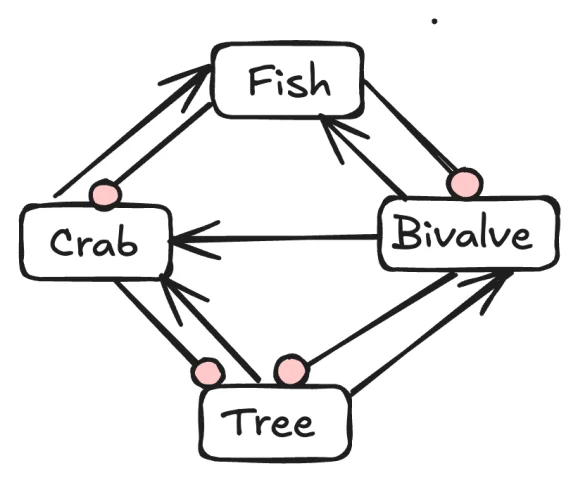
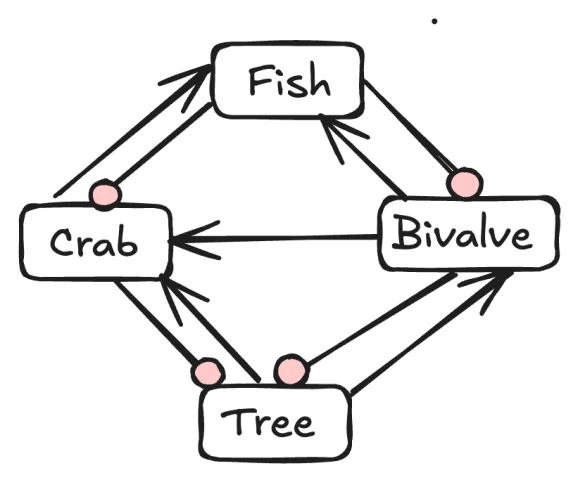
- Begin with Sketching: Emphasize the importance of initial brainstorming on a whiteboard, using diagrams to depict concepts before writing equations. This visual approach can spark insights that dry text cannot.
- Understanding Uncertainty: Delve into the multifaceted questions around uncertainty and its implications for your modelling process. Acknowledging the limits of your model is essential to making sound interpretations.
- Developing Equations: Transform your conceptual diagrams into mathematical notation, referencing expert guidance for an ecological context. It's where the theory meets practice, and clarity in this step is critical.
- Recognizing Constraints: Assess computational, data, and temporal limitations that will shape your modelling possibilities. Ignoring these risks derailing your project right from the start.
- The Modelling Workflow: Grasp the iterative process of coding, debugging, execution, visualization, and interpretation. Understanding that modelling isn't a linear march is key.
- Choosing Tools and Software: Navigate the ongoing debate between R and Python and recognize the constraints imposed by your familiarity with certain tools. Your choices here can dictate the ease and efficiency of your modelling work.
- Generating Novel Insights: Discover techniques for drawing analogies from different fields and testing them to enhance your understanding. Think outside the box—this might lead to breakthroughs.
A further reading section at the end directs you towards useful literature based on your chosen modelling approach. This ensures that readers can deepen their knowledge and continuously improve their skills.
Development and Collaboration
The initial draft emerged during a dictation session on a long drive. Claude Code took that raw transcript, refined it into a structured document, and established the Quarto book site, after which I conducted the final edits. Collaboration played a significant role in bringing this guide to fruition—input from various experts and peers was invaluable in enhancing clarity and engagement. Editing is never the last step; it’s a continuous process of refining ideas to ensure they resonate with readers.
Implications and Future Outlook
The guide isn't just a manual; it’s a reflection of the current state of ecological modelling. Given the growing emphasis on data-driven approaches across various sectors, understanding how to build effective models will only become more pertinent. If you're working in this space, grasping complexity is essential. This guide aims to bridge the gap between theory and application, empowering users to tackle real-world challenges.
What this means for you is clear: as modelling becomes increasingly integral to a variety of fields—including conservation biology, policy-making, and resource management—those who can translate questions into practical models will be poised for success. The approach outlined here, while straightforward, is a foundation that can lead to significant advancements in both research and practical applications.
R-bloggers.com offers daily e-mail updates about R news and tutorials on learning R and other topics. Click here to post or find an R/data-science job.
Want to share your content on R-bloggers? click here if you have a blog, or here if you don't.
Discussion
Sign in to join the discussion.