An analysis reveals that the controversial "AI rat penis" incident had little effect on publication trends at Frontiers in Cell & Developmental Biology.
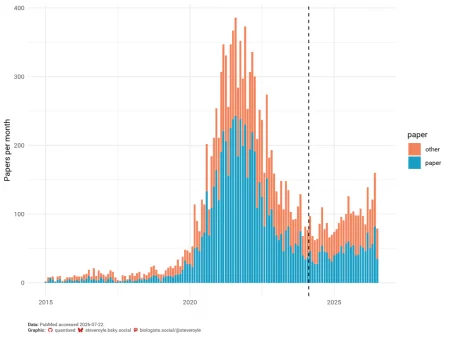
In February 2024, a review published by Frontiers in Cell & Developmental Biology sparked outrage due to poorly generated AI figures, including one depicting an oversized rat penis. Both illustrative mistakes were so glaring that they led to a retraction of the paper. This incident wasn't just a one-off blunder; it speaks to ongoing concerns about the efficacy of AI tools in scientific publishing and how academic integrity is evolving—or arguably deteriorating—in the age of machine learning. As of now, it’s intriguing to examine whether this incident has had lasting repercussions on the journal's overall submission and publication rates.
Impact on Submission Rates
Upon analyzing the publication data, I expected to find a significant decline in submissions post-incident, perhaps driven by concerns over academic integrity. Historical trends indicated that Frontiers journals experienced expansive growth, particularly during the COVID-19 pandemic, leading me to believe that subsequent drops in submissions could be linked to the fallout from the AI debacle or broader quality concerns surrounding fast publication speeds noted in other studies, such as the one by Mark Hanson. It's a familiar narrative in academic circles: when trust is breached, authors reconsider where they submit their work.
Utilizing the {PubMedLagR} package for data retrieval and visualization allows for a clear representation of publication trends over time. The choice of this analytical tool reflects a growing recognition that understanding publication metrics is crucial for assessing journal credibility—especially amid scandals. For instance, plotting the articles published monthly reveals patterns that extend beyond this singular event. A closer look at the trends showed an initial peak during the pandemic, an era when the pressure to publish intensified, followed by a gradual decline. This downward trend, however, appears not to have worsened after the infamous incident; rather, there seems to be a stabilization, signaling a return to pre-crisis submission levels.
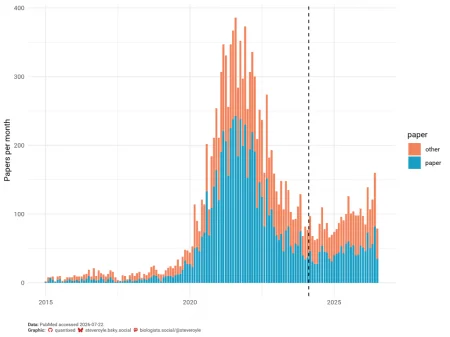
A further breakdown into article types suggests that the variety of submissions has remained consistent. Roughly half of the submissions are research papers, with the remaining split between commentary and review pieces. While it’s possible that commissioned articles remain unaffected by the incident, one might wonder if there's an underlying complacency among authors assuming these issues are anomalies. There’s no strong evidence to suggest a significant rejection of scholarly works directly submitted by authors stemming from journal reputation concerns. This fact alone could indicate that many researchers might still view the journal favorably or perhaps have become desensitized to individual scandals.
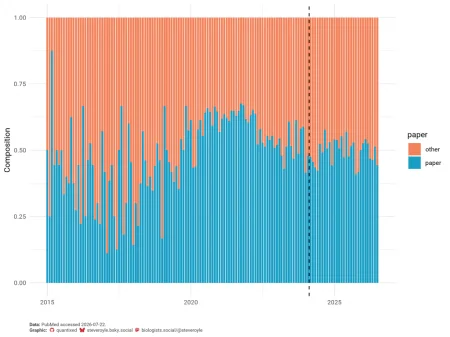
Examining Submission Trends
So what happens when we examine the submission data associated with these published articles? Month-over-month, submissions suggest a continual rise, which paints a picture that contradicts the premise of heightened concern leading to reduced submissions. If you're working in this space, you might question the motivations driving this influx: did the AI issue truly affect potential authors? With more submissions being received post-incident, one can conjecture that either authors remain largely unaware of such controversies or perhaps view incidents like these as isolated occurrences. The resilience of submission rates raises critical questions about the long-term impacts of ethical lapses on academic publishing.
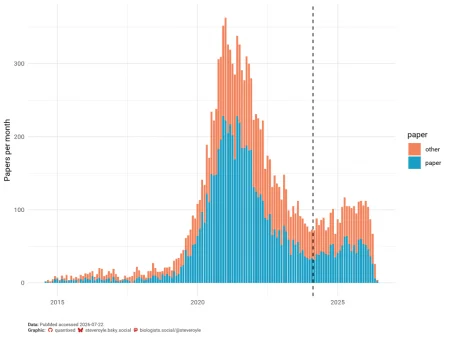
It's critical to note that while the publication metrics reflect a consistent trend post-incident, the actual author behavior leading up to these submissions remains difficult to quantify definitively. The analysis does not account for any potential changes in rejection rates that may have been instituted to manage publication volume amid potential damage to reputation. This is the part most people overlook: how journals might respond internally to controversies can dramatically shift submission dynamics. But if we assume that rejection rates hold constant, the data reflects a confidence from authors in submitting their work. Researchers may rationalize that their work remains valid, independent of the journal's temporary fallout.
Implications and Future Outlook
This analysis implies that the AI incident has not adversely impacted submission rates to Frontiers in Cell & Developmental Biology. While there was plenty of media coverage surrounding the mishap, it seems to have failed to dissuade authors from submitting their work, leading to an ongoing healthy flow of submissions. The implications for the journal—and potentially others in this space—could be profound. Authors don't easily forget mistakes, and yet their immediate focus might pivot towards the publication's prospects over ethical considerations. It raises critical questions about what drives authors to publish where they want to publish.
The driving factors for authors when choosing a journal appear to hinge primarily on the journal's impact factor and perceived publication efficiency. The fact that submission rates remain steady suggests a more significant trend in academic publishing: despite scandals, authors may prioritize journal reputation over ethical concerns. This reflects a broader culture in academia—productivity often trumps meticulous scrutiny. This is unsettling, as it implies that incidents like the AI misrepresentation might not be significant enough to deter submission.
The irony lies in contemporary academic expectations: authors desire the status of publishing in high-impact journals yet falter when these publishers face scrutiny regarding scientific integrity. Often, the call is to evaluate papers solely on their merit, disregarding the context of publication. If the focus continues to remain solely on output rather than the quality of input, the cycle of reliance on flawed systems may perpetuate. Is this the direction the academic publishing landscape is heading? Only time will tell.
Analysis Code
library(PubMedLagR)
library(ggplot2)
retrieve_journal_year_records("Front Cell Dev Biol", 2015:2026, batch_size = 200, papers_only = FALSE)
all <- pubmed_xmls_to_df(clean = FALSE)
# remove duplicate rows
all <- all[!duplicated(all),]
# clear Data/ and then
retrieve_journal_year_records("Front Cell Dev Biol", 2015:2026, batch_size = 200)
pprs <- pubmed_xmls_to_df()
# classify the papers in all
all$paper <- ifelse(all$pmid %in% unique(pprs$pmid), "paper", "other")
# convert publication date to the first of the month
all$year_month <- as.Date(paste0(substr(all$pubdate,1,7),"-01"))
# frontiers colours for fun
x <- c("242 130 91", "24 157 196")
fcolours <- sapply(strsplit(x, " "), function(x)
rgb(x[1], x[2], x[3], maxColorValue=255))
# ggplot of number of papers per month-year
p1 <- ggplot(all, aes(x = year_month, fill = paper)) +
geom_bar() +
scale_fill_manual(values = fcolours) +
geom_vline(xintercept = as.POSIXct(as.Date("2024-02-14")), linetype=2) +
labs(x = "", y = "Papers per month") +
theme_classic()
p1
# stacked plot version
p2 <- ggplot(all, aes(x = year_month, fill = paper)) +
geom_bar(position = "fill") +
scale_fill_manual(values = fcolours) +
geom_vline(xintercept = as.POSIXct(as.Date("2024-02-14")), linetype=2) +
labs(x = "", y = "Composition") +
theme_classic()
p2
# what about submissions?
all$sub_year_month <- as.Date(paste0(substr(all$recdate,1,7),"-01"))
p3 <- ggplot(all, aes(x = sub_year_month, fill = paper)) +
geom_bar() +
scale_fill_manual(values = fcolours) +
geom_vline(xintercept = as.POSIXct(as.Date("2024-02-14")), linetype=2) +
labs(x = "", y = "Papers per month") +
theme_classic()
p3
This structured analysis highlights the resilience of the journal post-scandal, underscoring factors beyond the immediate impact of ethical controversies in academia, and provides a context for current publication trends.
Note: The title "New Frontier" pays homage to the song by Donald Fagen from his 1982 album, "The Nightfly."
Discussion
Sign in to join the discussion.