Address common pitfalls in software development outsourcing with targeted strategies to enhance control, security, and avoid provider lock-in.
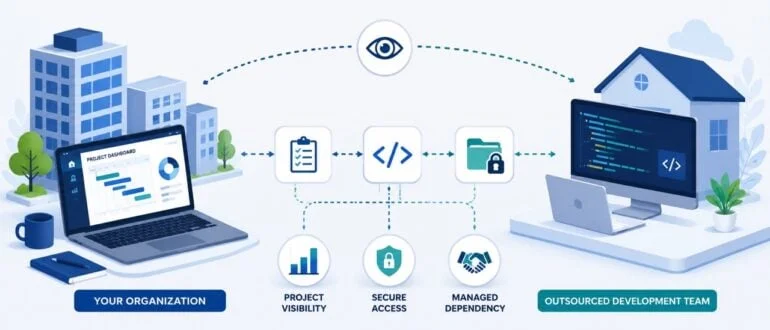
Outsourcing software development has become a preferred strategy for businesses of all sizes, providing a solution for bridging talent gaps and reducing costs associated with in-house development. However, while this approach can lead to faster project timelines and lower expenses, it also carries a set of risks that require careful management to ensure quality and efficiency.
Experts from Itransition, an outsourcing firm with over 25 years in the field, highlight pivotal risks including diminished project control, security vulnerabilities, and the threat of provider lock-in. Understanding these challenges and implementing best practices can mitigate their impact on project outcomes.
Diminished Project Control
One major concern with outsourcing is the potential loss of direct oversight, as remote teams often operate without the same level of visibility that in-house teams provide. Ironically, while companies outsource to gain flexibility, they can often end up feeling more constricted by a lack of communication and oversight. When in-house teams can pivot quickly in response to issues, remote teams might lag behind, resulting in delays and missed deadlines. It’s crucial to establish clear oversight mechanisms from the outset.
Effective Oversight Recommendations:
- Designate a Single Point of Contact (SPOC) from the outsourced team to facilitate communication and regular updates on project status.
- Incorporate visibility dashboards into the outsourcing agreement. These tools can aggregate data from the provider’s project management systems to keep stakeholders informed of project milestones in real-time.
- Ensure documentation of all project deliverables is maintained in a shared workspace, granting client access to essential materials like wireframes and architectural designs.
Security and Privacy Concerns
Granting third-party developers access to internal systems introduces significant cybersecurity risks, including data breaches and unauthorized access. This isn’t just an IT worry; it's a business-critical issue. Companies build trust with their clients partly by protecting sensitive data, and any slip-up can lead to significant financial and reputational damage. Addressing these security issues is paramount to protecting sensitive information.
Security Mitigation Strategies:
- Implement a role-based access control (RBAC) system that includes dedicated external-facing roles, limiting the access third-party developers have to only what they need.
- Adopt Just-In-Time (JIT) provisioning to ensure that permissions for external access are time-limited, reducing the risk of prolonged vulnerabilities.
- Mandate multi-factor authentication (MFA) for any outsourced developers accessing your systems, adding an extra layer of protection against unauthorized access.
Avoiding Provider Lock-in
Becoming overly dependent on a single outsourcing partner can lead to provider lock-in, making future transitions difficult and costly. This issue can arise not only from technical dependencies but also from the intimate knowledge that a partner might gain about your business processes. If another partner is brought in later, it can be a struggle to retrain them or to extract valuable information from the previous provider. Preventative measures can help maintain flexibility.
Strategies to Reduce Provider Lock-in:
- Clearly define intellectual property ownership in your contract, ensuring that clauses address what happens if you need to shift to another provider.
- Create a centralized knowledge base that comprises essential project documentation and mandates knowledge-sharing sessions to avoid losing critical insights during transitions.
- Negotiate transition support services in your contract to cover a set period post-termination, facilitating a smoother handover to any new agency you might engage.
The Bigger Picture: Implications and Future Outlook
The trend toward outsourcing software development is unlikely to diminish. As businesses increasingly face pressure to innovate swiftly and respond to market changes, the allure of access to global talent and specialized expertise remains strong. However, this doesn’t mean the challenges will vanish; if anything, they’ll evolve. Companies may need to adapt their strategies as regulation regarding data privacy becomes stricter and as remote work continues to redefine team dynamics.
What this means for you is twofold: you'll have to balance cost savings against the potential risks and think critically about how much control you're willing to relinquish. Investing time upfront to craft diligent, clear contracts and establish communication protocols can save you from headaches later on. And remember, every outsourcing effort will teach invaluable lessons. One slip in oversight or security could lead to major setbacks, but each challenge faced brings insights that refine future strategies.
Final Thoughts
As businesses consider outsourcing aspects of their software development, recognizing and proactively managing the associated risks is vital for achieving successful project delivery. The recommendations provided can help navigate challenges, whether related to control, security, or issues of dependency on service providers.
Selecting an experienced outsourcing partner familiar with your industry can significantly enhance your project’s success, ensuring compliance, protecting intellectual property, and fostering an effective knowledge transfer process. As the tech ecosystem continues to change, being proactive will be the key to success in this space.
Discussion
Sign in to join the discussion.