Apple's forthcoming MacBook Ultra is set to introduce a range of new features, potentially increasing its price significantly in the lineup.
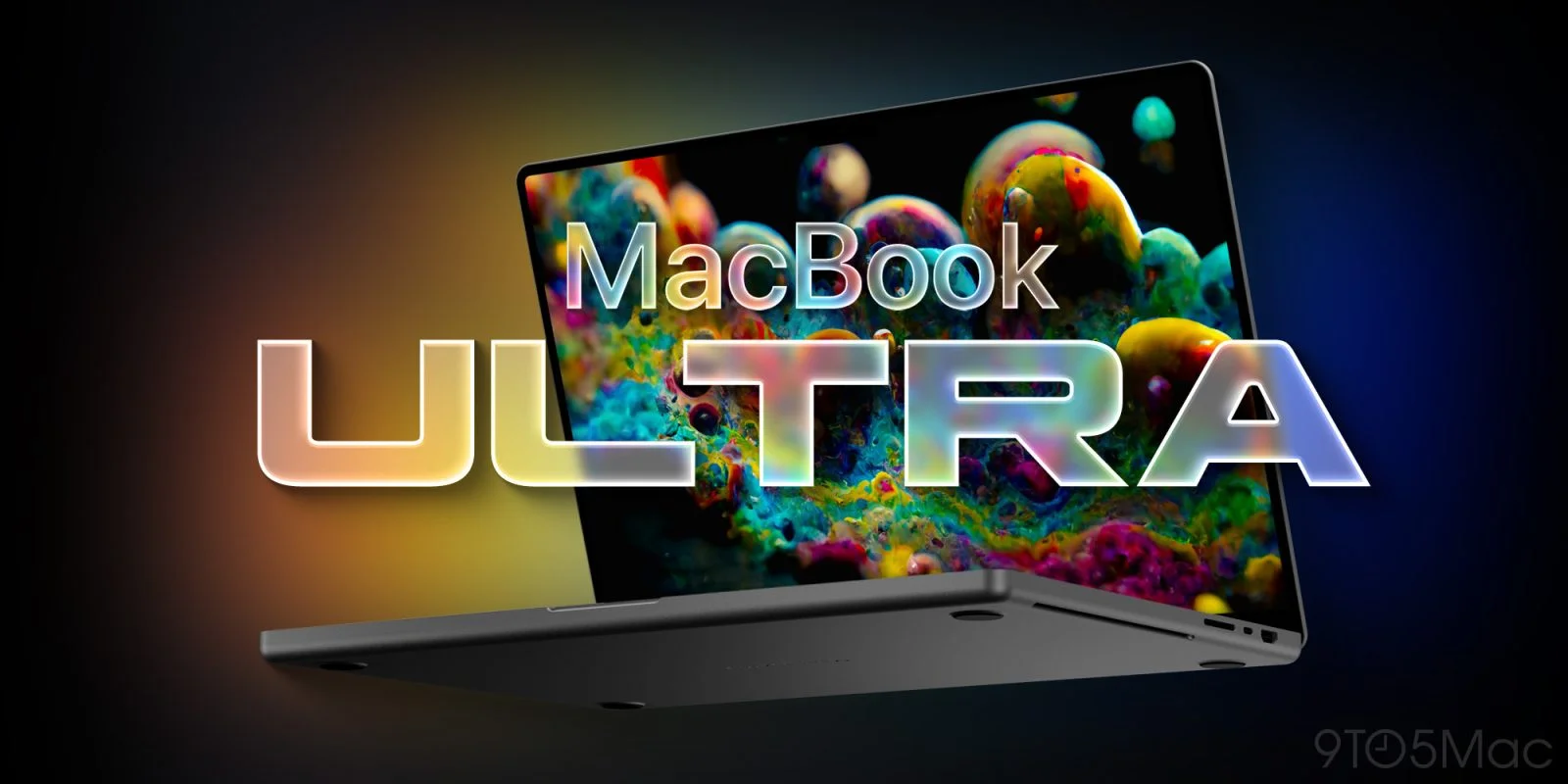
Apple is gearing up to unveil its next-generation MacBook Pro, rumored to be branded as the MacBook Ultra, which may hit the market as soon as next month. The redesign boasts features such as OLED displays, the first touchscreen for Macs, a sleeker chassis, and Dynamic Island. This evolution prompts questions about the future of the MacBook Pro branding amidst significant aesthetic and functional upgrades.
Redesign and Features
The upcoming MacBook Ultra could mark a pivotal shift for Apple's laptop lineup. Introducing OLED displays represents a major evolution from the previous miniLED technology, offering richer colors and deeper contrasts. This change is noteworthy because OLED panels, while more vibrant, tend to be pricier and more complex to manufacture, potentially contributing to higher retail prices.
The fact that this model might include a touchscreen is especially thrilling. Touchscreens on laptops aren't new, but for Apple, a company known for its strict design choices, this represents a significant departure. Will users embrace this change, or will it be met with resistance from those who prefer the traditional input methods? This is more significant than it looks, especially given Apple's historical hesitance to adopt certain technologies until they can be perfected.
Furthermore, the sleeker chassis may not just be an aesthetic choice; it likely indicates a focus on portability, catering to professionals who demand powerful performance without the bulk. With the integration of features like Dynamic Island, Apple seems to be leaning heavily into enhancing user experience to keep pace with competitors offering similar functionalities.
Branding Considerations
Initially, the speculation centered on the 14-inch MacBook Pro equipped with the M5 chip taking on the MacBook Pro title. However, tech insider Mark Gurman's insights from Bloomberg suggested that elements from the MacBook Ultra would be incorporated into the standard MacBook Pro, casting doubt on the necessity for the Ultra branding. Here's the thing: if Apple does combine features of the Ultra with the existing Pro model, it could dilute the branding significance of the MacBook Ultra. Consumers often look for clear distinctions between models, and mixing high-end features into standard offerings might lead to confusion.
Moreover, the idea that Apple will differentiate between their models based on features rather than clear naming conventions could impact consumer decisions. If the Pro and Ultra don’t have significantly different functionalities, buyers might hesitate to invest in the more expensive option. This could also reflect broader trends in consumer electronics—brands are increasingly required to justify premium pricing with tangible benefits.
Anticipated Model Lineup
The future MacBook lineup is shaping up as follows:
Fall 2026:
- MacBook Neo (A18 Pro)
- MacBook Air (13-inch and 15-inch, M5)
- MacBook Pro (miniLED, 14-inch, M6)
- MacBook Pro (miniLED, 14-inch and 16-inch, M5 Pro and M5 Max)
- MacBook Ultra (OLED, 14-inch and 16-inch, M5 Pro and M5 Max)
Spring 2027:
- MacBook Neo (A19 Pro)
- MacBook Air (13-inch and 15-inch, M6)
- MacBook Pro (OLED, 14-inch, M7)
- MacBook Pro (miniLED, 14-inch and 16-inch, M5 Pro and M5 Max)
- MacBook Ultra (OLED, 14-inch and 16-inch, M5 Pro and M5 Max)
As we can see, Apple is not simply releasing a single model but a range that includes different chipsets and display technologies. This multi-tiered approach highlights Apple's strategy to target various segments of the market—from professionals who crave top-tier performance to students seeking affordability. You'll have a clearer choice depending on your specific needs. But with so many different models, will consumer confusion increase as to which MacBook best fits their requirements?
Pricing Speculations
Looking ahead, the likely expansion of the MacBook range raises questions about pricing strategies. While the older MacBook Pro should remain available, it may not last long in Apple's plans. This may align with Apple's historical approach to keeping entry-level prices more attractive. Therefore, it's realistic to expect the miniLED MacBook Pro could start around $2499, while the new MacBook Ultra might breach the $2999 threshold. Reflecting its premium features and positioning, this approach suggests Apple aims to capture both value-conscious consumers and those willing to invest in higher-end technology.
Despite concerns about potential sticker shock, Apple's reputation for quality often justifies these prices. If you're working in this space, it's vital to anticipate how these pricing strategies might impact sales and market share. And this is the part most people overlook: consumer loyalty to Apple means that a significant number of users may overlook ultimate costs in favor of brand value and product quality. However, the success of these models will depend on how well Apple communicates the unique selling points of each version.
As we await the official announcements, the industry buzz intensifies. What are your predictions for the MacBook Ultra's starting price? Share your thoughts in the comments below.
Future Implications
The rollout of the MacBook Ultra could foreshadow bigger changes across Apple's entire product range. With growing competition from companies like Microsoft and various PC manufacturers increasingly offering high-quality devices, Apple may reconsider its premium pricing strategy. It’s also a signal that Apple recognizes a shift in consumer demands—touchscreens, for instance, could become a trend for future Mac devices.
Looking ahead, will Apple continue to innovate, or will it play it safe? The market is on watch, eager to see how Apple can further differentiate itself, especially as brands like Samsung and Dell push technological boundaries.
Discussion
Sign in to join the discussion.