With the iPhone Ultra launch approaching, insights drawn from the Galaxy Z Fold 8 reveal what users can expect from Apple's foldable.
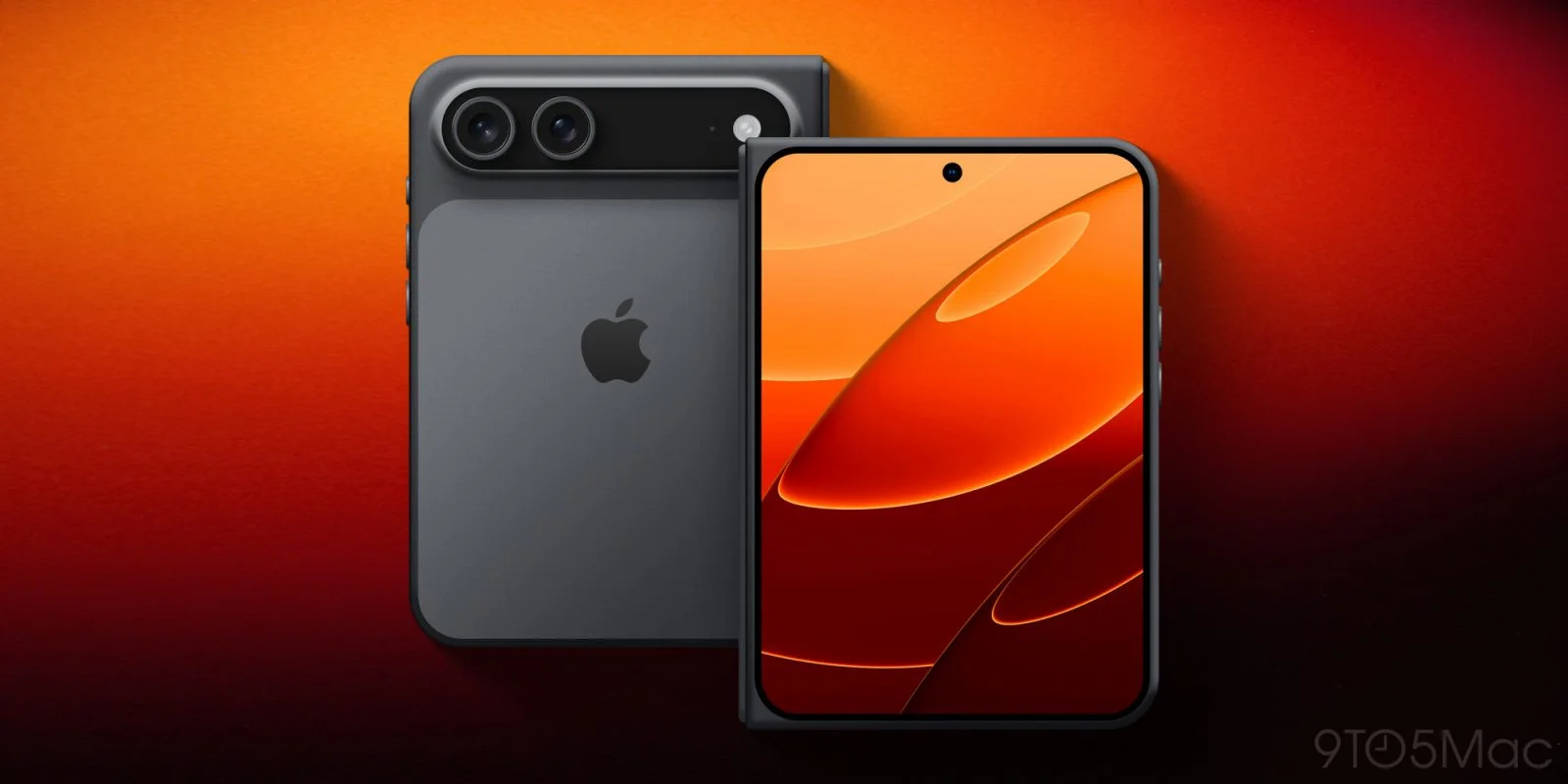
As the anticipation builds for Apple’s upcoming iPhone Ultra, slated for unveiling this month, we're getting a clearer picture of its features and form factor. Sporting a 5.5-inch outer display and a 7.6-inch inner display, the iPhone Ultra shares dimensions with Samsung’s recently released Galaxy Z Fold 8. This similarity not only speaks to the design trends that are emerging in the smartphone market but also ignites questions about Apple’s strategy in the competitive foldable segment.
The Foldable Shift in the Smartphone Market
Foldable smartphones have garnered significant attention in the last few years, with major players like Samsung paving the way. The Galaxy Z Fold series has been particularly notable, demonstrating a new approach to mobile devices that combines tablet functionality within smartphone dimensions. Apple's entrance into the market with the iPhone Ultra marks a pivotal moment, emphasizing the growing acceptance of foldable designs among consumers. It's more than just a shift in technology; it's about reimagining user interaction with devices.
Samsung's decision to release the Galaxy Z Fold 8 before Apple's iPhone Ultra adds a layer of strategic competition that’s hard to ignore. Historically, Apple has typically led the market with revolutionary designs, but Samsung has successfully attracted attention with its foldable offerings. While the Galaxy Z Fold 8 is aimed at those who desire a larger display experience, the iPhone Ultra seems positioned to appeal to users who prioritize portability without sacrificing screen size. The question lingers: Was Samsung's release a pre-emptive move to capture the foldable market, knowing Apple’s reputation for innovation?
Apple’s Design Philosophy and User Experience
Recent insights from early reviews of the Galaxy Z Fold 8 reveal interesting parallels between its design and features, particularly when compared to traditional Apple products like the iPad mini. Twitter user Ray Wong highlighted test images showcasing how the Z Fold 8’s display is closely aligned in size with that of the iPad mini—yet it folds, allowing for easy transport. Imagine the presence of a mini tablet that fits comfortably in your pocket; it hints at the kind of user experience that could differentiate the iPhone Ultra from its contemporaries.
If you're working in this space, consider how these comparative sizes affect usability. The Galaxy Z Fold 8 represents a significant step in terms of form factor, allowing for versatility without the bulk often associated with tablets. Apple's expected approach with the iPhone Ultra could position it favorably among users who have long desired a foldable device but remain loyal to the Apple ecosystem—those who might appreciate seamless integration with other Apple products.
Returning to comparisons, enthusiast Shishir’s analysis, which contrasts the iPhone 13 mini with the Galaxy Z Fold 8, reveals yet another layer of Apple's strategic thinking. The somewhat larger form factor of the Galaxy Z Fold doesn't compromise on display area, making it accessible for users who miss the now-discontinued iPhone mini. This could effectively bridge a gap in Apple's product line and cater to a niche audience that desires compactness without foregoing functionality. With rumors swirling that the iPhone Ultra will embody a similar ethos, it’ll likely attract attention from both current and prospective Apple users.
Personal Insights on User Experience and Competition
Having interacted with the Galaxy Z Fold 8 firsthand, my impression intensified my curiosity about the forthcoming iPhone Ultra. The similarities in design elements—smooth lines, curved corners—could offer a familiar experience for Apple users while still standing apart from Samsung’s offerings. That said, Apple’s adherence to minimalistic design often contrasts with Samsung's ambition for features, potentially dictating the user experience in unexpected ways. The level of integration with iOS will be a fundamental component for anyone contemplating investing in this device. When you have distinct user expectations, any misalignment could prompt dissatisfaction.
This competitive environment suggests that the iPhone Ultra will need to carve out its own identity. Apple might rely on its lucrative ecosystem to ensure that the device doesn't just stand out but also fits within the larger Apple catalog, against the backdrop of previous devices, and serves as a bridge between new innovations and established customer preferences.
Future Outlook and Implications
As the launch date approaches, excitement is mounting, but there are significant implications to consider. Apple’s move into foldables signifies a willingness to adapt, which could reshape consumer expectations. The implications for Samsung are particularly noteworthy; their early leadership in this sector could be challenged should the iPhone Ultra resonate with users. If history serves as a guide, Apple tends to refine and define categories rather than merely join existing competition.
The actual reception of the iPhone Ultra is probably going to hinge on its execution and the user experience it delivers. That aspect—the practical usability of a folding device in everyday life—will be scrutinized closely by not just enthusiasts but also critics. As twilight approaches for the unveiling, examining dummy models of the iPhone Ultra becomes critical for understanding its potential. This could further illuminate its design, several aspects of usability, and whether it can successfully differentiate itself from the Galaxy Z Fold 8, shaping the future direction of foldable smartphones.
Discussion
Sign in to join the discussion.