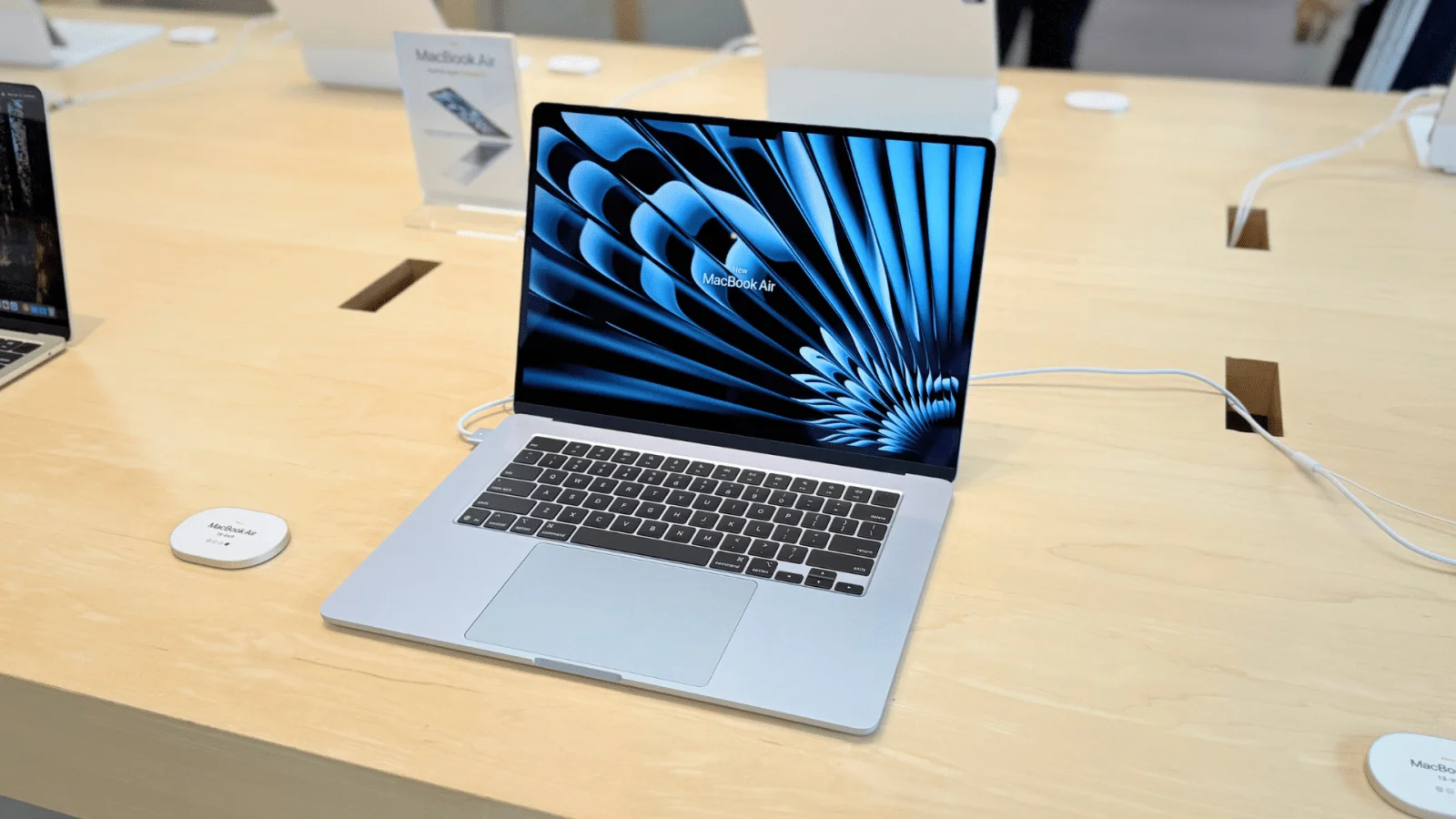
The MacBook Air is facing significant supply shortages due to rising memory costs and prioritization of other models by Apple.
The recent surge in AI data center infrastructure across the U.S. has severely disrupted the consumer electronics sector, particularly affecting memory supply lines. The increasing demand for high bandwidth memory (HBM2 DRAM) has redirected resources, resulting in challenges for manufacturers who require consumer-grade memory and storage. This redirection isn’t just an inconvenience — it has broader implications for product availability and pricing across the tech ecosystem.
Memory Pricing and Market Dynamics
Solid State Drives (SSDs) and DDR5 RAM prices have escalated significantly since early 2023, prompting Apple to adjust its MacBook pricing. In June, the starting price of the MacBook Air increased from $1099 to $1299, following an earlier rise from $999 just a few months prior. While this price hike came with a boost in the base storage from 256GB to 512GB, customers are still feeling the pinch. Apple’s move reflects a growing trend where manufacturers must respond to cost pressures by passing expenses on to consumers.
The price shifts in the SSD and RAM markets can largely be attributed to competition for components driven by increased investments in AI. Corporations are investing heavily in AI technologies that require significant data processing capabilities, thereby consuming a large share of high-performance memory. This altered demand has ripple effects throughout the supply chain. Disruptions of this magnitude force manufacturers to reconsider product pricing and availability, leading to what analysts have described as a “pricing crisis.”
Consumer Impact: A Case Study
Despite these adjustments to cover heightened costs, Apple struggles to maintain sufficient stock of the M5 MacBook Air. Retail insiders describe the availability of the MacBook Air as “more constrained than they can ever recall.” This constraint is more than a mere inconvenience; it reflects deeper supply chain issues and the relentless pull of the AI surge consuming available resources. Current consumers trying to order are informed of potential delays, with fulfillment expected only by the end of the month. Those looking for immediate availability are left to sift through third-party markets, often facing inflated prices.
And yet, if you're considering purchasing the MacBook Air, it might be wise to act quickly; Amazon currently offers the model with next-day delivery and a $100 discount, possibly making it one of the last opportunities to buy before prices escalate further in third-party markets. The reality is, those who wait could be in for a shock when prices inevitably climb as demand overwhelms supply.
Understanding the Supply Bottleneck for MacBook Air
Reportedly, the ongoing memory crisis contributes directly to the MacBook Air's supply issues. Mark Gurman notes that Apple is channeling its efforts into the entry-level M5 MacBook Pro, ahead of its refresh slated for later this fall. This strategic shift may be a move to stabilize stock before the new models debut. The focus on the MacBook Pro could signal Apple’s intent to prioritize higher-price products in an effort to absorb the shocks from rising costs.
According to insights gathered from Gurman's sources, Apple is preparing to mitigate these shortages by sourcing some memory components from Chinese suppliers, specifically for devices sold in that region. In addition, the prioritization of the entry-level MacBook Pro points toward an M6 refresh in the near future, with indications that a new MacBook Air is unlikely until later. With these maneuvers, Apple is hoping to alleviate some of the strain on its supply chain.
Looking Ahead: Implications for Consumers and the Tech Industry
The situation suggests that Apple is entering a challenging period, with the company acknowledging potential supply constraints that could impact sales in the upcoming quarter. There are also expectations of further price adjustments as demand continues to exert pressure on available inventory. Consumers looking to purchase high-demand products may need to reconsider their timelines and budgets. Waiting for the perfect model or price point might no longer be a viable option.
This is more significant than it looks. The implications extend beyond consumer electronics; they reveal weaknesses in the supply chains that many industries — not just tech — heavily rely on. As AI investments grow, companies must evaluate how to adapt their sourcing and manufacturing strategies, perhaps even diversifying their supply chains to mitigate risk. If you're working in this space, understanding these dynamics could give you an edge in navigating upcoming market fluctuations.
Recommended Apple Accessories:
Discussion
Sign in to join the discussion.