Apple's upcoming smart glasses aim to integrate health and fitness features, although these enhancements will likely be absent in the initial release.
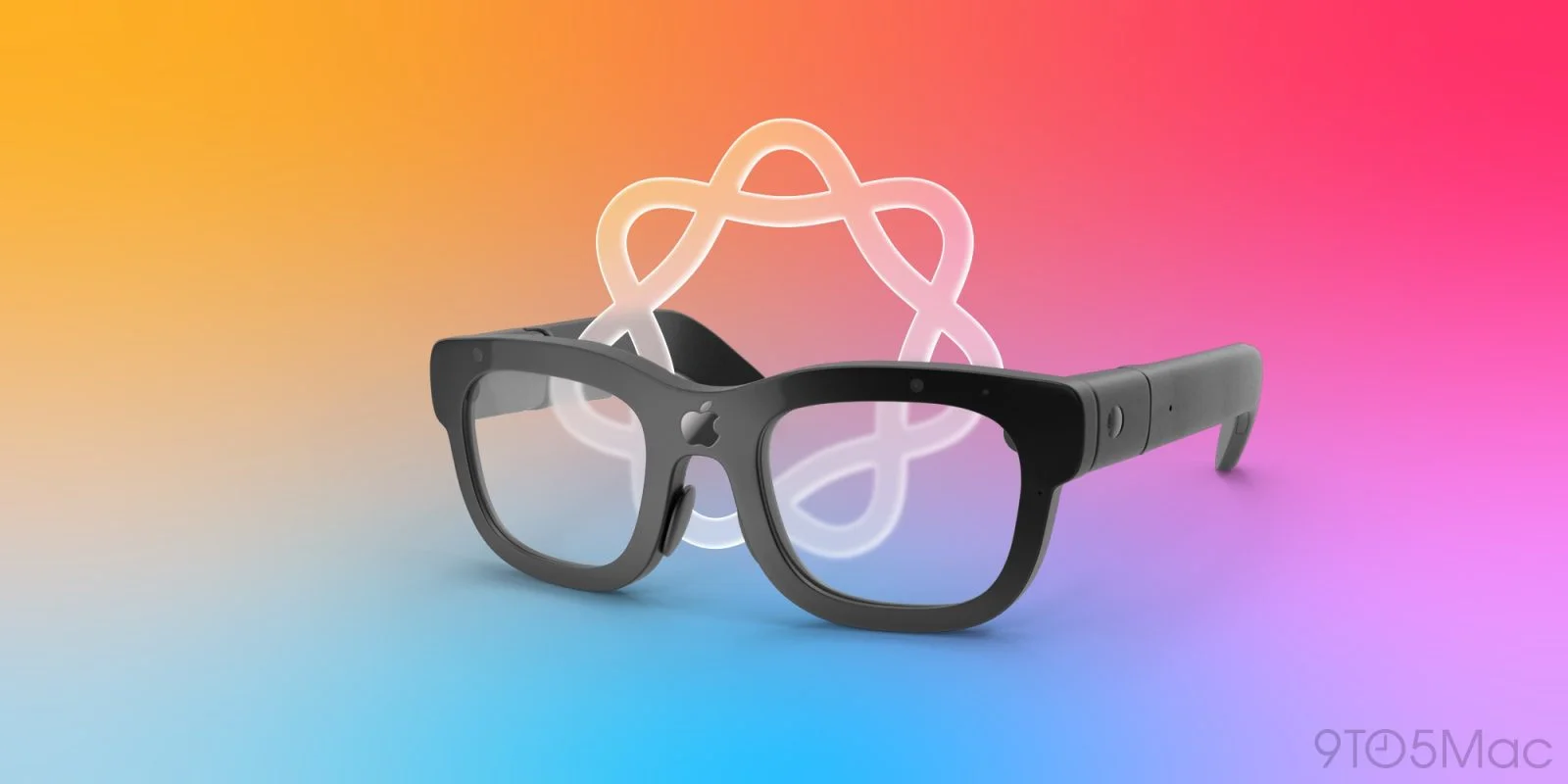
Apple appears to be pivoting its upcoming smart glasses towards health and fitness capabilities, a strategy outlined in Mark Gurman's latest Power On newsletter. The first iteration of these glasses, however, will not include the health-related functionalities. This indicates that while Apple is setting its sights on the fitness market with these wearables, the rollout will be gradual, starting without major health features.
Previously, Apple had explored the notion of utilizing its Vision Pro as a health-centric platform, investigating a version of the Fitness+ app designed for headset use. This app would have aimed to let users participate in workout classes while receiving performance analytics through body-tracking technology. Unfortunately, the project was scrapped due to challenges linked to the device’s heavy design. This has raised questions about Apple's commitment to health innovations, given its failure to launch what could have been a compelling product.
As Gurman notes, “One initiative was a version of Apple Fitness+ that could run inside the headset. The idea was to let users wear the device while working out and following classes, with the headset using its body-tracking technology to analyze movements. But this never launched due to technological hurdles and the headset itself being too heavy.”
This setback hasn't deterred Apple; the company is re-examining similar concepts for its smart glasses, albeit with a different approach, given the absence of built-in displays. It's evident that Apple remains earnest about its interest in integrating health and fitness into its product ecosystem but seems to be adopting a more cautious method this time.
Exploring Fitness Features for Smart Glasses
While the specifics of Apple’s plans for the smart glasses remain somewhat elusive, the company is actively recruiting talent to shape this new direction. According to the latest report, the Vision Products Group is tasked with conceptualizing the future of health and fitness experiences across its vision products. This signals Apple's intention to infuse its wearables with features that resonate with health-conscious consumers.
"This person will need to 'translate ambiguous opportunities at the intersection of spatial computing, wearables, consumer health and human behavior' into a clear product strategy,” Apple stated.
This strategic focus raises the possibility of features akin to Apple's Workout Buddy introduced for the Apple Watch. You can envision a scenario where the smart glasses could provide real-time insights directly in the user's field of vision, offering a level of interactivity not commonly found in existing wearables. Coupled with an integrated heart-rate sensor—mirroring the developments found in the latest AirPods—this could position the glasses as a valuable companion for fitness enthusiasts, particularly runners. In theory, runners could benefit immensely from having their stats visible during a jog, reducing the need to check a watch or phone.
Moreover, the built-in cameras might facilitate real-time feedback during various activities, enhancing workout efficiency by correcting form and providing performance insights. Such capabilities could appeal to personal trainers and serious athletes alike, making the glasses attractive not just for casual users but also for professionals in the fitness industry. However, given the features are unlikely to emerge with the glasses' first batch, it may take time before Apple's complete vision manifests. This cautious rollout may frustrate some users eager to see cutting-edge health tracking integrated into their daily routines.
Implications and Future Outlook
Apple's foray into health and fitness through smart glasses could significantly reshape how consumers interact with fitness technology. If you're working in this space, keep an eye on how Apple’s cautious rollout could set a precedent for future wearables. While immediate benefits in terms of health functionality might be absent at first, the potential for integration with existing Apple products present an interesting scenario for the tech ecosystem.
The absence of a comprehensive health suite might initially disappoint some, but the focus on user safety and device feasibility isn't without merit. In a sphere where technological failures can set a product back years, Apple seems intent on getting things right. Simply put, a less-bulky headset could eventually lead to better performance and an enhanced user experience, which could be more significant than it looks at first glance. After all, a flexible strategy could also help Apple create a foundation upon which future health features can effectively be built.
The way this shift in focus develops will be interesting to watch. As healthcare increasingly intersects with technology, companies like Apple must adapt quickly. Established brands such as Fitbit and Garmin have a considerable head start in fitness wearables, but Apple has shown an ability to enter and dominate markets it chooses to pursue. Whether the smart glasses will be the conduit for a new wave in health monitoring remains to be seen, but the potential is there.
For further exploration of Apple accessories:
Discussion
Sign in to join the discussion.