Apple's upcoming Mac Studio refresh promises enhanced performance with M5 chips, while the M7 family hints at notable AI advancements by 2028.
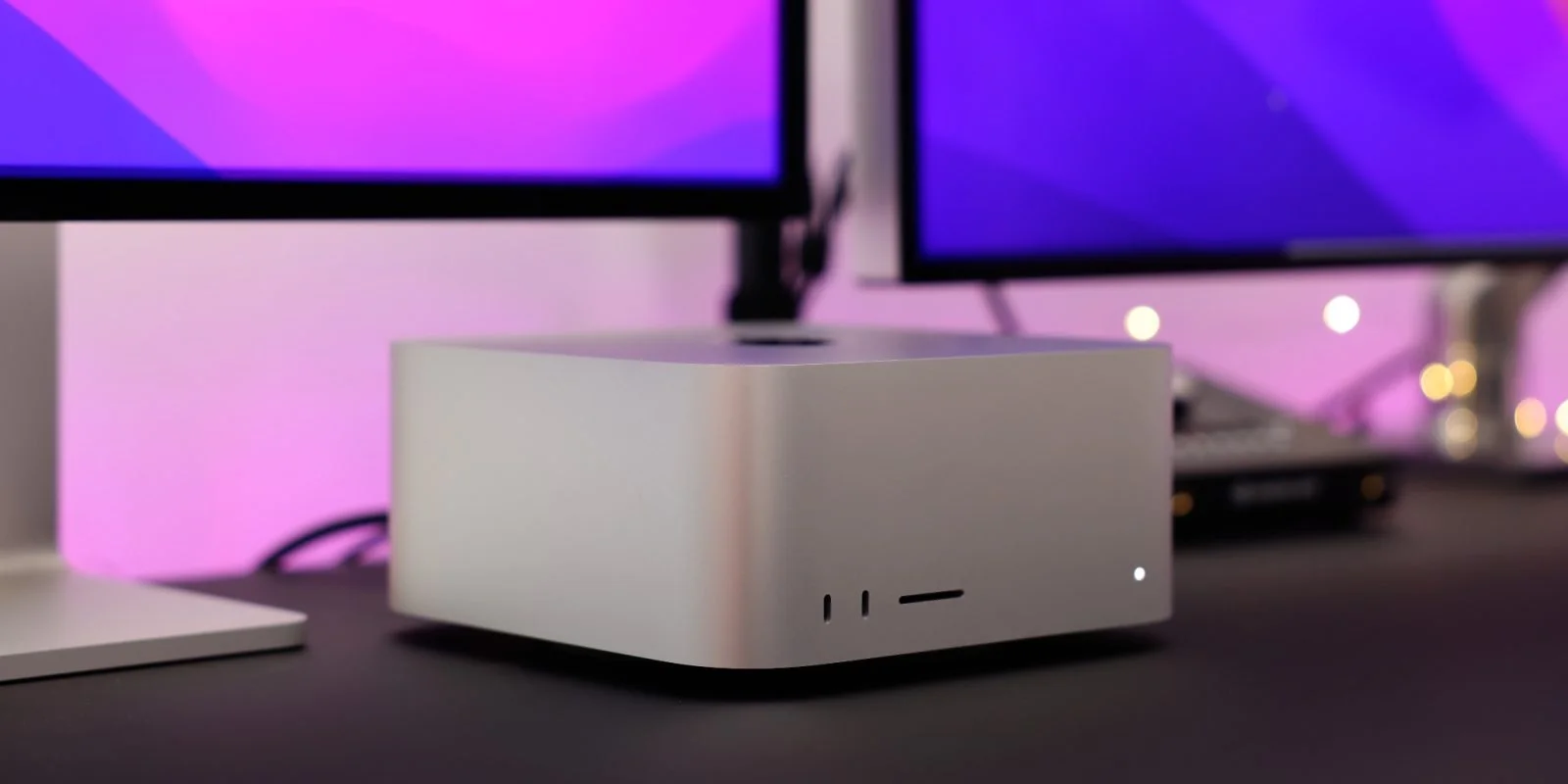
Anticipation builds for the next iteration of the Mac Studio, set to debut later this fall, marking the first update since early 2025. The current model’s highest tier relies on the M3 chip, leaving many eager for what the M5 family will bring to the table.
The Upcoming M5 Refresh
Originally slated for mid-2026, the M5 Mac Studio refresh has been expedited due to ongoing supply chain challenges, with an anticipated release as soon as October. This new model will showcase the M5 Max and M5 Ultra chips, which are expected to deliver impressive specs, including up to 36 CPU cores and 80 GPU cores. Such enhancements would outpace the existing M3 Ultra, resulting in substantial performance gains for users. Apple has positioned its silicon as a serious competitor to Intel and AMD through consistent improvements, and the upcoming M5 models promise to continue this trajectory.
The M5 Ultra’s memory capacity might reach a remarkable 768GB, although availability remains a question due to potential supply constraints. Historically, Apple's new chips have been announced with great fanfare, but production issues can delay actual consumer availability. This update could come at a cost, reflecting past price hikes; the current models range from $2,499 for the M5 Max to $5,299 for the M3 Ultra, with further increases likely for the upcoming units. Apple’s pricing strategies often position it at the premium end of the market, so it’s reasonable to expect that the M5 series will follow suit.
Glimpse into 2028
Looking further ahead, 2028 is set to bring another wave of enhancements with the launch of the M7 Max and M7 Ultra chips. Early rumors suggest that these chips could push boundaries in AI performance, making the M7 Ultra exceptionally well-suited for on-device machine learning tasks. By piggybacking advancements in AI, Apple may also cater to developing markets where businesses increasingly rely on such capabilities for everyday operations. Imagine what these chips could mean for developers.
While under-the-hood upgrades are expected, potential design modifications are still under wraps. Key features may include a new heatsink for maintaining optimal performance under load and a capacity for up to 1.5TB of RAM, aligning it with the memory capabilities of the 2019 Mac Pro. This memory bump wouldn't just enhance performance; it could completely reshape workloads that professionals rely on—especially in video editing and 3D rendering sectors. And this is the part most people overlook: specific workloads could transition to Mac environments if Apple continues to push the memory envelope.
However, this jump in specs could come with a staggering price tag. Upgrading to such formidable memory could cost around $35,000, not factoring in additional CPU upgrading expenses, making it a high-investment option for those seeking peak performance. The market for high-end computing hardware is a niche one, but it commands attention from those in specialized industries like film and design. What this means for you is simple: you’ll need a clear ROI to justify such expenses.
Implications of the Upcoming Refresh
The anticipated upgrade cycle provides more than just new hardware; it speaks volumes about Apple's strategic emphasis on performance and professional-grade machines. With competitors like Microsoft and Dell increasingly pushing their own high-performance offerings, Apple can't afford to fall behind in this segment. The success of the M5 Ubuntu chips could reaffirm Apple's commitment to creating a dedicated space for professionals, attracting those who rely on the absolute best for their creative and analytical work.
These launches aren't just about numbers on a spec sheet. They represent a crucial endorsement for Apple's silicon strategy, which has, until now, relied on impressive benchmarks and user experiences. If you're working in this space, now would be a good time to evaluate how these advancements might influence your organization’s hardware planning.
Accessorizing Your Mac Experience:
Discussion
Sign in to join the discussion.