The Even Realities G2 smart glasses offer an early look at display-based wearable tech. While functionality impresses, questions remain about long-term utility.
Overview of Smart Glasses Technology
As smart glasses evolve, the anticipation surrounding Apple’s entry into this space provides a useful backdrop for assessing current offerings. While the market awaits Apple’s first model, the smart glasses from Even Realities give us a tangible taste of what's to come—specifically, the integration of display technology in wearables.
Apple's Smart Glasses Anticipation
The tech community is buzzing with buzz surrounding Apple’s upcoming smart glasses, expected to be unveiled at WWDC27, with a market release later that year. These first-generation glasses are anticipated to offer features such as a built-in camera for real-time visual analysis, providing a hands-free way to engage with the world without needing to pull out a smartphone.
While communication features like voice notifications and translation capabilities are likely included, the lack of a display in the initial model might push certain users toward future iterations. Industry insiders speculate that displays may feature prominently in versions due as early as 2028, potentially reimagining how users interact with digital content and their environment.
The Even Realities G2: Design and Functionality
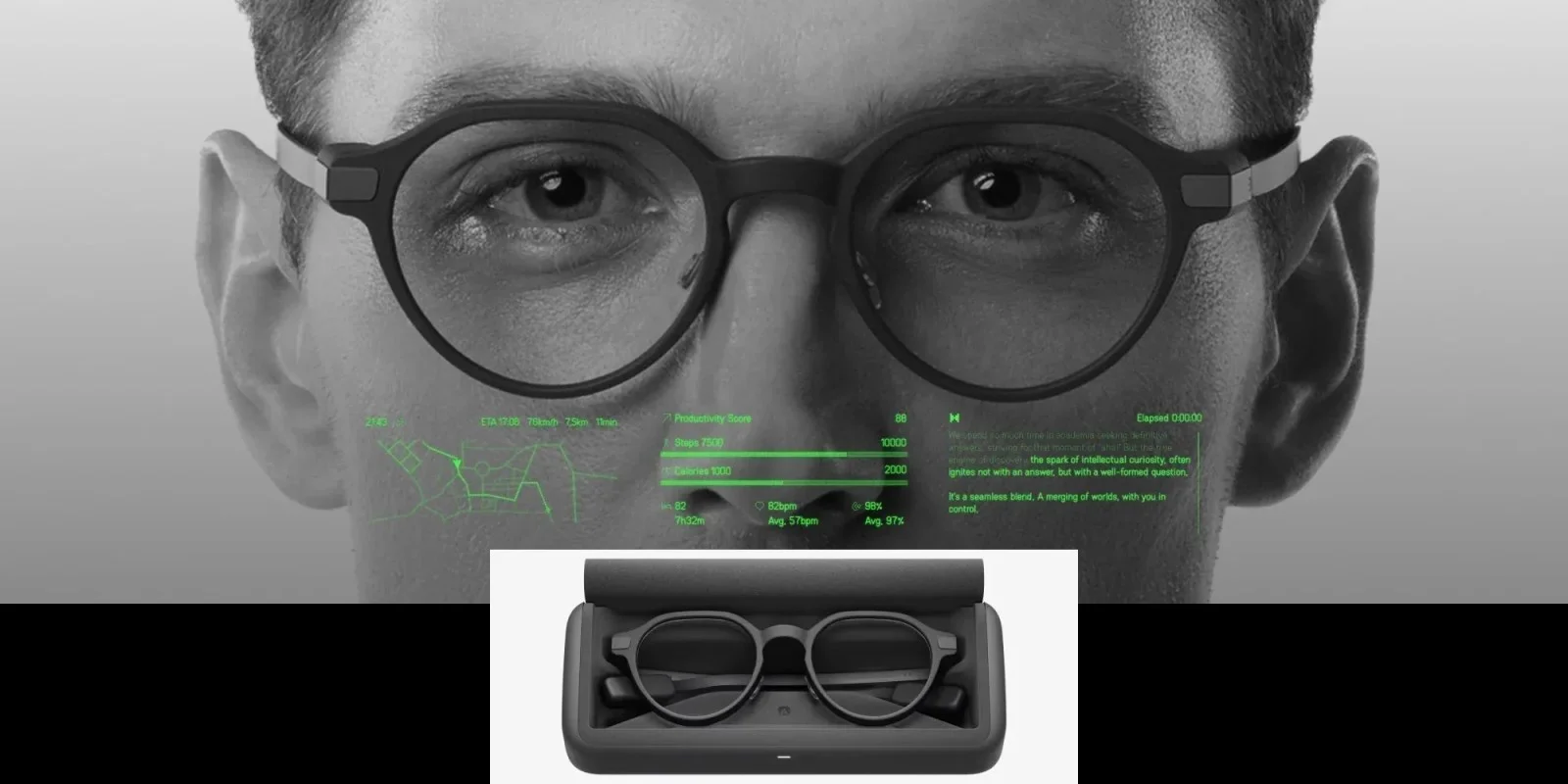
The Even Realities G2 smart glasses are designed to blend functionality with subtlety. Weighing only 36 grams, they parallel traditional eyewear in feel and appearance, marked only by their distinct touchpads on the arms. The glasses utilize waveguide technology; tiny projectors placed in the frames project images onto the lenses, creating a basic green monochrome display reminiscent of early cathode-ray tube monitors.
User interaction relies on touch-based gestures such as taps, swipes, and long presses, enhancing the usability of the device without relying solely on voice commands. This tech not only offers a means for displaying notifications but also addresses practical use cases, including navigation and language translation, making it ideal for multitasking in everyday situations.
Impressions from Use
From my experience, not all features resonate equally. For instance, the idea of AI responding to basic queries through text on a display may not be compelling for many users, echoing sentiment surrounding the Ray-Ban Meta glasses' own limited capabilities. Yet, specific functionalities such as navigation and translation stand out as significant enhancements to daily tasks.
Using the navigation feature during cycling has proven to be advantageous, especially compared to constantly looking down at a smartphone. A head-up display is easier to use and allows for safer biking. The translation functionality, while achievable on mobile devices, creates a more natural interaction, allowing for better eye contact during conversations, which has garnered positive feedback from those I’ve conversed with while using the glasses.
Notifications and Daily Integration
Receiving notifications directly on the glasses rather than checking my phone or smartwatch has been a welcomed change, making daily interactions smoother. However, the feature doesn't serve as a critical selling point; it's more of a supplementary advantage that complements other core functionalities rather than an independent game-changer.
Concerns About Distraction
While the design permits an unobstructed field of view, the display can inadvertently lead to distractions. During cycling, I noticed my attention drift towards the navigation display, diverting focus from the road—a potential safety concern worth monitoring. It’s uncertain if users would adapt over time, and further wear will help clarify if this distraction diminishes.
Assessing Value and Functionality
Wearing the Even Realities G2 enhances my experience during predominantly sunny days, where sunglasses are necessary anyway. However, when not wearing glasses, the question of value remains. Priced at $599, with additional costs for clip-on shades and prescription lenses, the investment may only be justified if you would typically benefit from wearing glasses.
While the experience of using smart glasses is undeniably impressive and generates excitement among those who try them, the long-term value proposition needs careful consideration to ensure they won’t be relegated to the novelty shelf too soon.
As the smart glasses market continues to evolve and more innovations are introduced, the relevance of devices like the Even Realities G2 will be a topic worth monitoring.
Discussion
Sign in to join the discussion.